Explore the Ina Valley: A Different Side of Nagano Japan
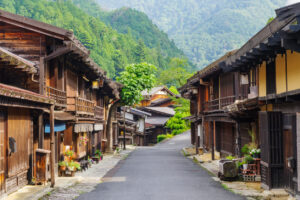
When people think of Nagano Prefecture, places like Karuizawa or the snow monkeys at Jigokudani Monkey Park often come to mind. But besides these familiar spots, there are also other areas in Nagano that deserve a spot on your itinerary, and the Ina Valley is one of them.
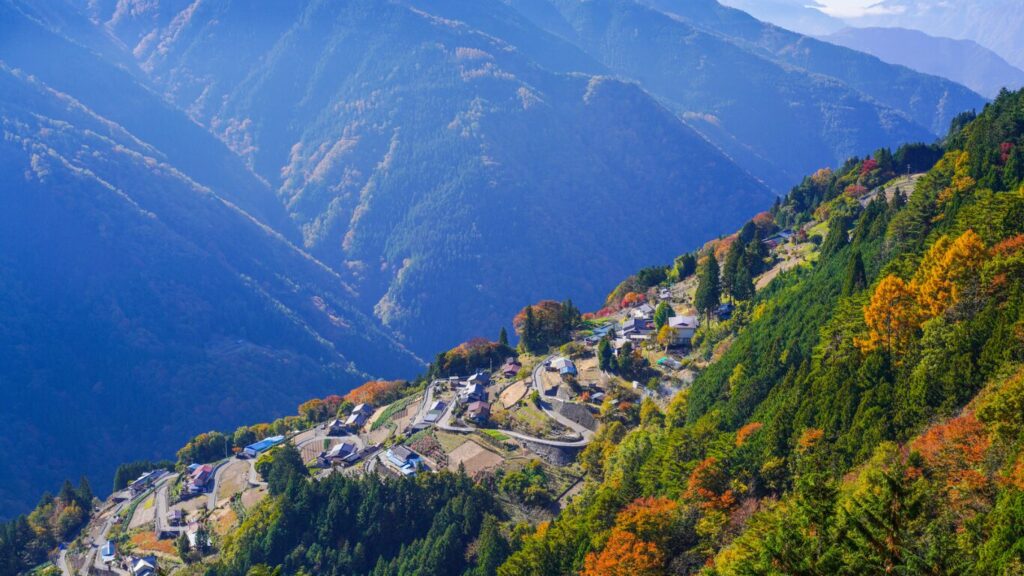
Located in southern Nagano, the Ina Valley is a long stretch of land shaped by the Tenryu River, set between the Central Alps and Southern Alps, both rising above 3,000 metres. The overlapping mountain ridgelines and seasonal landscapes, from spring blossoms to snow-covered peaks in winter, allow you to experience all four seasons here. The region is also home to cultural and scenic highlights such as Takato Castle Ruins, widely regarded as one of Japan’s top cherry blossom spots, the hillside village of Shimoguri, often called the “Tyrol of Japan,” and traditional festivals that have been preserved for over 300 years. As one of Japan’s largest valleys, it is not often heard of compared to other parts of Nagano Japan, offering a different way to experience the region.
A few hours’ drive from Hakuba, a popular alpine resort area in northern Nagano, the Ina Valley is a quieter town where you can experience rural Japan at a more laid-back pace of travel. It offers outdoor experiences alongside local food and everyday culture. This guide introduces the region through two key themes: nature and gourmet experiences, making it a great fit for outdoor lovers and foodies who are always on the hunt for something new.
At Japan Navi Journey, we have built close relationships with local communities across Japan, allowing us to introduce experiences and places that are not always easily accessible to regular travellers. Through this guide, we hope to share a side of the Ina Valley that visitors may not usually come across.
Read on to find out what our team experienced in the Ina Valley and how we can help you plan your trip. At Japan Navi Journey, we tailor each itinerary to your preferences, including transport, local guides, and curated experiences, for a seamless and personalised trip.
Step Into the Outdoors in Ina Valley
The Ina Valley offers a wide range of outdoor activities that allow visitors to experience the region’s natural scenery in different ways. From river cruises to mountain ropeways and seasonal activities, many of these experiences are accessible and suitable for a wide range of travellers.
Surrounded by the Central Alps and Southern Alps, the Ina Valley offers landscapes that change noticeably with elevation. From the valley floor to viewpoints reaching around 2,600 metres above sea level, the region allows visitors to experience different sides of Nagano’s natural scenery within a relatively short distance. Whether it is cruising along the Tenryu River or ascending into the mountains via the Komagatake Ropeway, each activity offers a different perspective of the outdoors.
Cruising Along the Tenryu River with Mountain Views
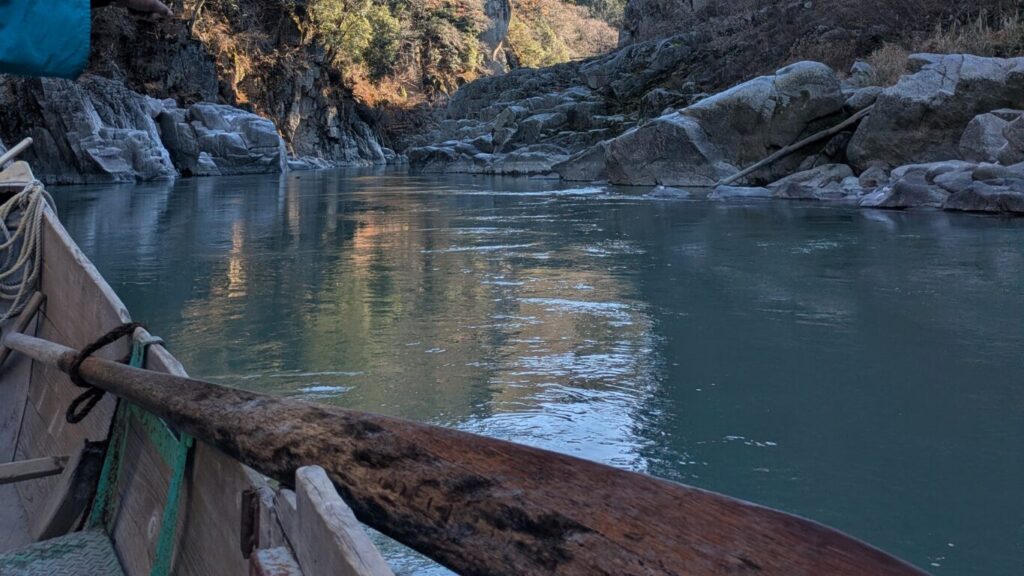
Begin your trip along the Tenryu River, where the landscape opens up into a wide valley framed by mountain ranges. The boat ride takes you along the river, allowing you to take in the scenery, from towering cliffs and unique rock formations to forested slopes that change with the seasons.
This experience also carries a long history within the region. Boat transport along the Tenryu River dates back to the Edo period (1603–1868), when it was primarily used to transport goods between different areas. Over time, it evolved into a sightseeing activity, with river cruises beginning in the early 20th century. Today, with a history spanning more than a century, it is recognised as Japan’s sixth oldest river boat cruise. Traditional techniques in boat handling and construction are still passed down through generations, adding to the cultural significance of the experience. Unlike modern vessels, these boats were originally built and operated based on the experience and intuition of local craftsmen and operators, reflecting the region’s long-standing connection to the river.
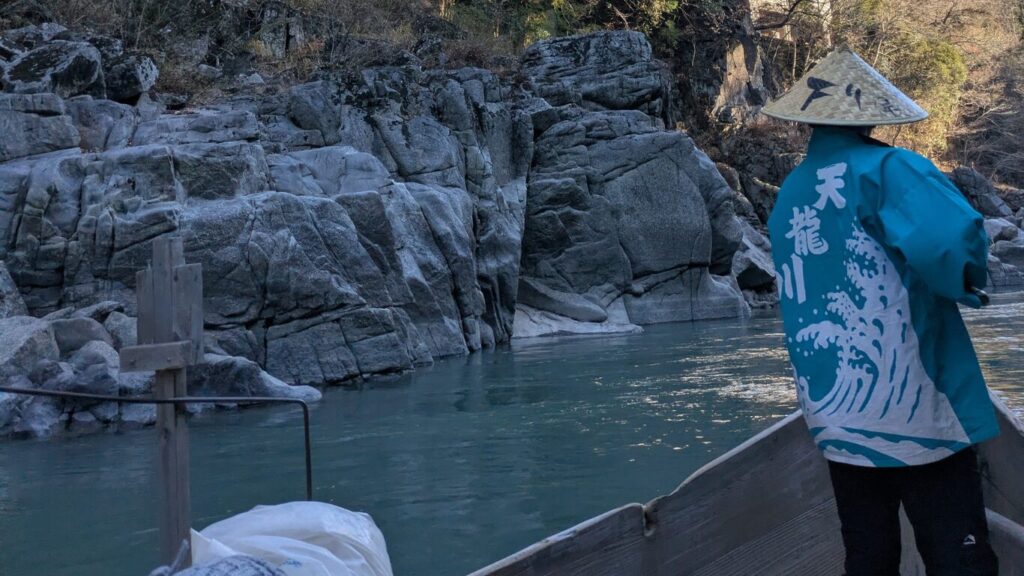
A typical ride lasts around 50 minutes and takes you through Tenryukyo Gorge, a nationally designated scenic spot. The combination of rock formations and their reflections on the water creates a landscape that has long inspired writers and artists, and has been featured in travel accounts as a place best experienced by boat.
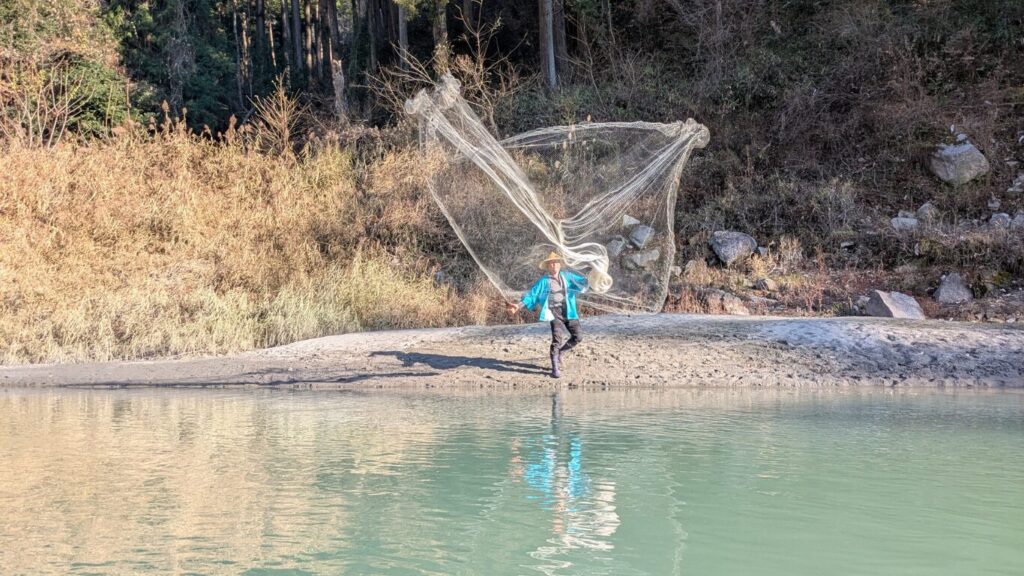
During our visit, the boat operator shared details about the area and pointed out key points along the ride. There was also a short demonstration of traditional net casting, offering a glimpse into local fishing practices.
A highlight of the boat ride was the chance to purchase drinks like coffee or amazake (a traditional sweet rice drink) from another boat while still on the river. It added a small but memorable touch to the overall experience.
The Tenryu River boat trip is an easy and accessible way to take in the natural scenery of the Ina Valley. It is particularly recommended in spring and autumn, when the greenery and foliage are at their best.
After the Tenryu River boat ride, the route continues further north through the Ina Valley, where the surrounding mountain ranges gradually become more prominent as the elevation changes, and the majestic peaks of the Alps slowly come into view.
Ascending into the Central Alps with the Komagatake Ropeway
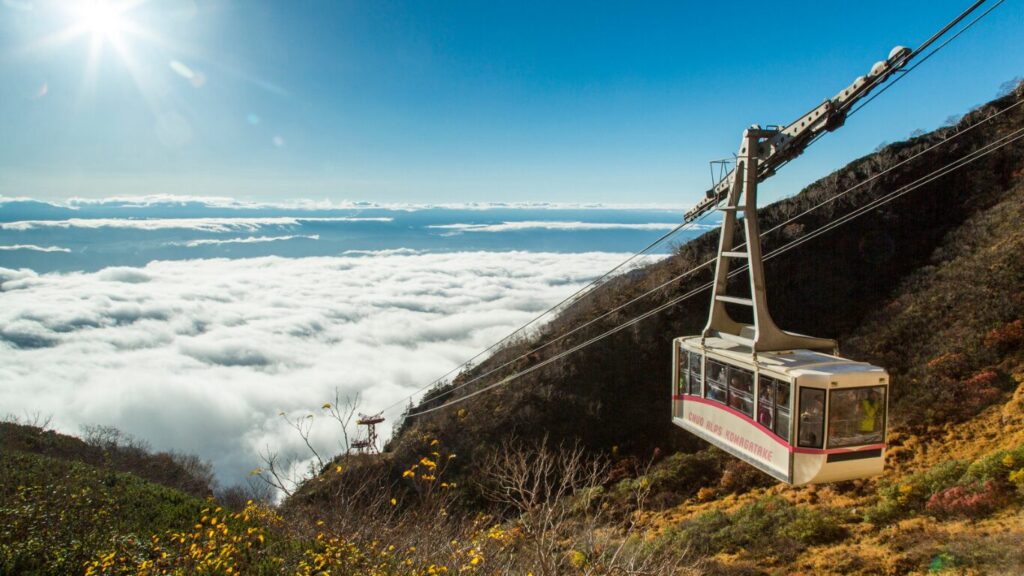
Heading deeper into the Ina Valley, the terrain gradually begins to rise, leading into a noticeable change in elevation and scenery.
Boarding the Komagatake Ropeway at Shirabidaira Station, the surrounding mountain landscape slowly unfolds as you ascend towards the Central Alps. Covering an elevation gain of approximately 950 metres in around seven and a half minutes, it is considered one of the largest-scale ropeways in Japan.
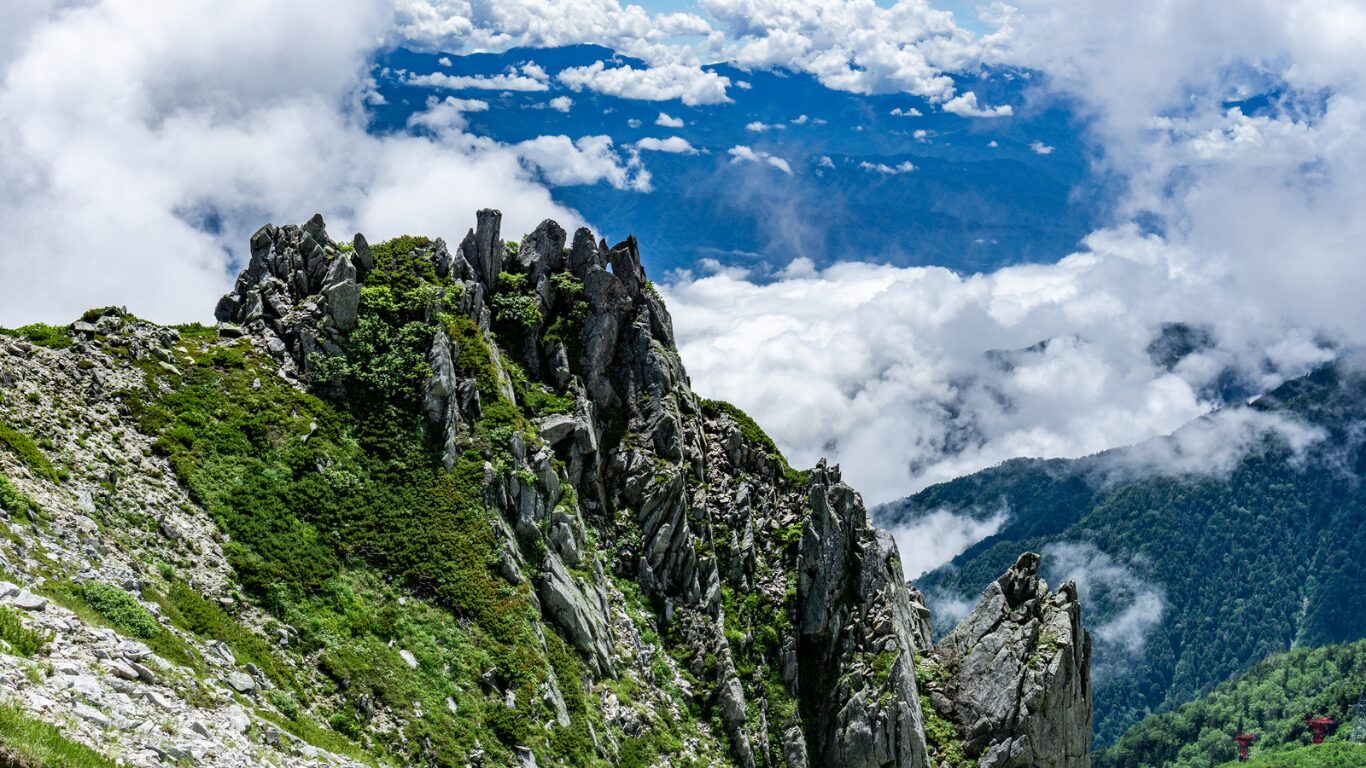
At the top, you arrive at Senjojiki Cirque, a scenic spot located around 2,600 metres above sea level and known for its dramatic mountain views. The shift from the river landscapes below to the alpine environment above offers a different perspective of the Ina Valley.
The ropeway first began operations in 1967, making it one of Japan’s earlier mountain ropeways. Since then, it has played an important role in making the Central Alps more accessible to visitors beyond experienced hikers. The current gondolas in operation, named “Mokuren” and “Hoken”, were selected through a public naming contest. “Mokuren”, the pink gondola, takes inspiration from the magnolia flower and represents meanings such as a love for nature and perseverance, while the green “Hoken” gondola was named after the mountain scenery during summer.
As you rise above the treeline, the view gradually opens up to reveal the valley below. In clear weather, the layered ridgelines extend into the distance, with views stretching as far as Mount Fuji and across both the Southern and Northern Alps.
For those who prefer not to hike, the Komagatake Ropeway provides a comfortable way to reach higher elevations, making it suitable for families, including those travelling with elderly members.
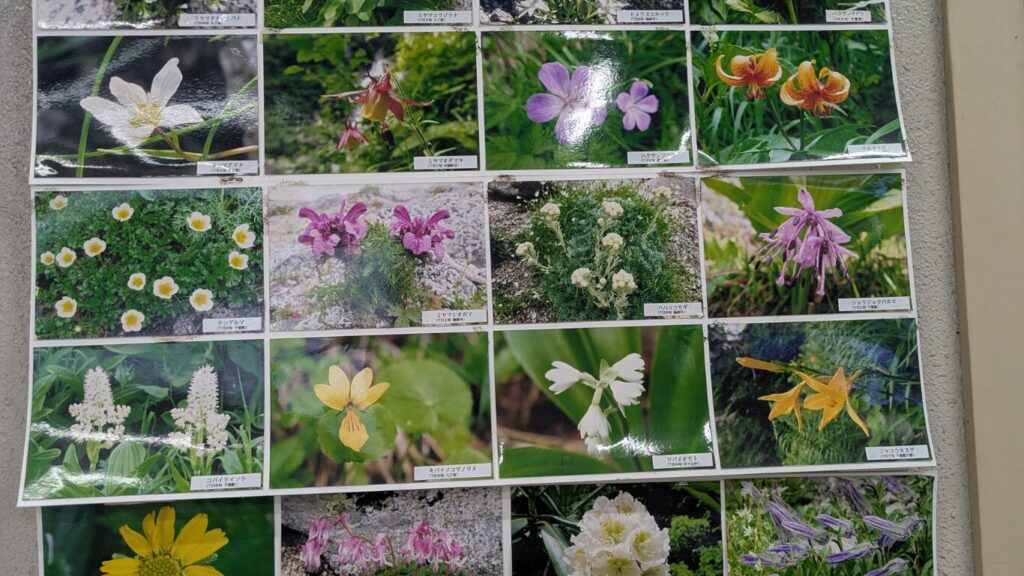
Each season presents a different view, from greenery in summer to snow-covered landscapes in winter, making it an experience that can be revisited at different times of the year.
Covering an elevation gain of nearly 950 metres in a short span of time, the experience of reaching the summit feels especially memorable. During our visit, heavy snowfall limited visibility, but the atmosphere at Senjojiki Cirque still felt rewarding in a different way.
Stepping out into the snow-covered surroundings at this altitude felt completely different from the valley below, with noticeably crisper temperatures and a quiet stillness surrounding the area. Even without clear skies, the snowy landscape of Senjojiki Cirque left a lasting impression.
Senjojiki Cirque: A Landscape Shaped by 20,000 Years of Ice
At 2,612 metres above sea level, Senjojiki Cirque opens up into a wide alpine landscape shaped by glacial activity during the last ice age around 20,000 years ago. Surrounded by the Central Alps and overlooked by Mount Hoken, the area is known for its dramatic mountain scenery throughout the year.
The scale of the landscape feels especially striking at this altitude, offering wide open views that are completely different from those below in the valley. A gentle walking trail of around 45 minutes loops through the cirque, allowing visitors to experience the scenery up close while taking in how the area changes throughout the seasons.
- Spring (April – June)
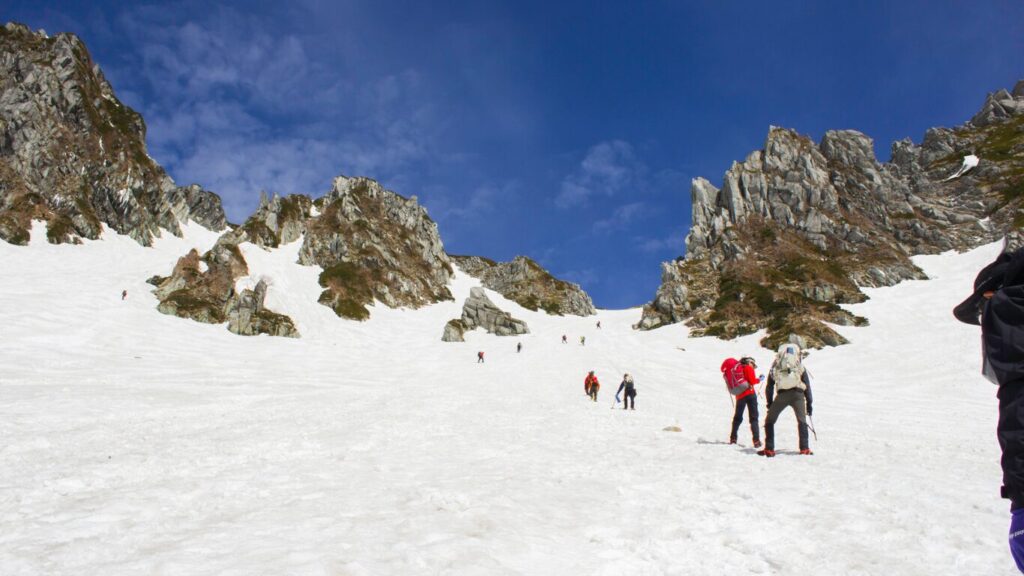
Spring is marked by lingering snow and clear blue skies, with silver-white peaks still covering much of the landscape. During this period, visitors may spot backcountry skiers moving across the snowfields or others exploring the area on snowshoes. As temperatures gradually rise, early signs of spring begin to appear across the mountains.
- Summer (July – August)
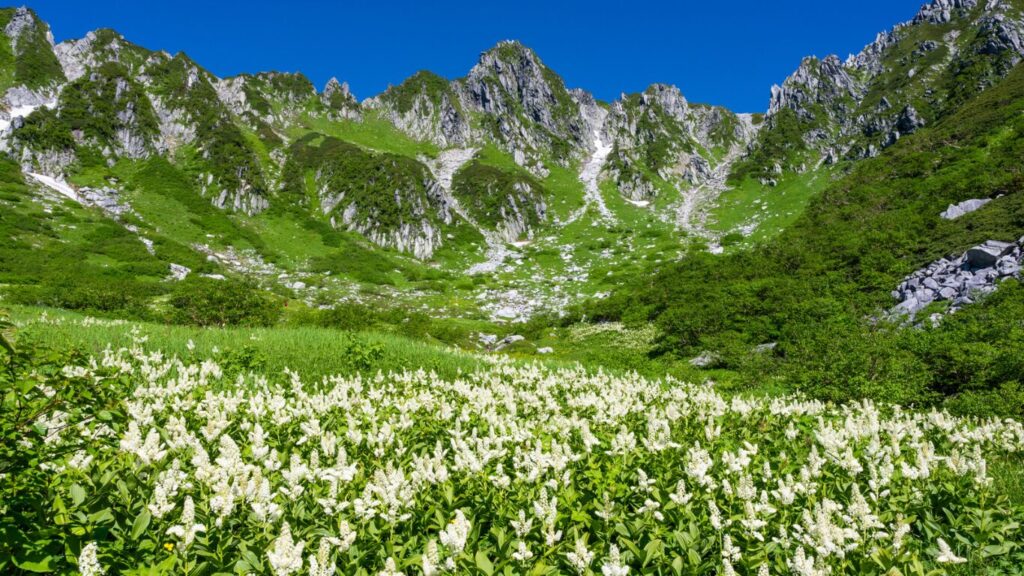
Summer marks the main hiking season, drawing both experienced climbers and casual nature lovers to the alpine trails. The cirque becomes greener as alpine flowers begin to bloom across the landscape, creating a refreshing contrast against the rocky mountain backdrop.
- Autumn (September – October)
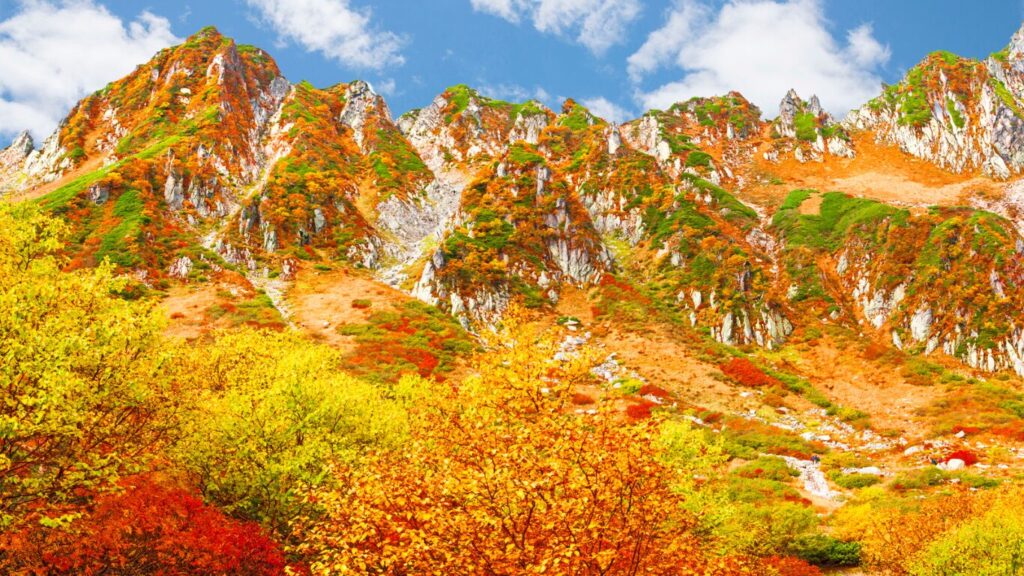
Autumn is one of the most popular seasons to visit, especially from late September to early October when the foliage reaches its peak. The scenery gradually changes as alpine grasses turn gold and trees begin to show shades of red and orange. If snowfall arrives early in mid-October, visitors may even witness the rare “Three-Tiered Autumn” (Sandan Koyo), where snow-covered peaks, autumn foliage, and the remaining greenery below can all be seen within the same view.
- Winter (November – March)
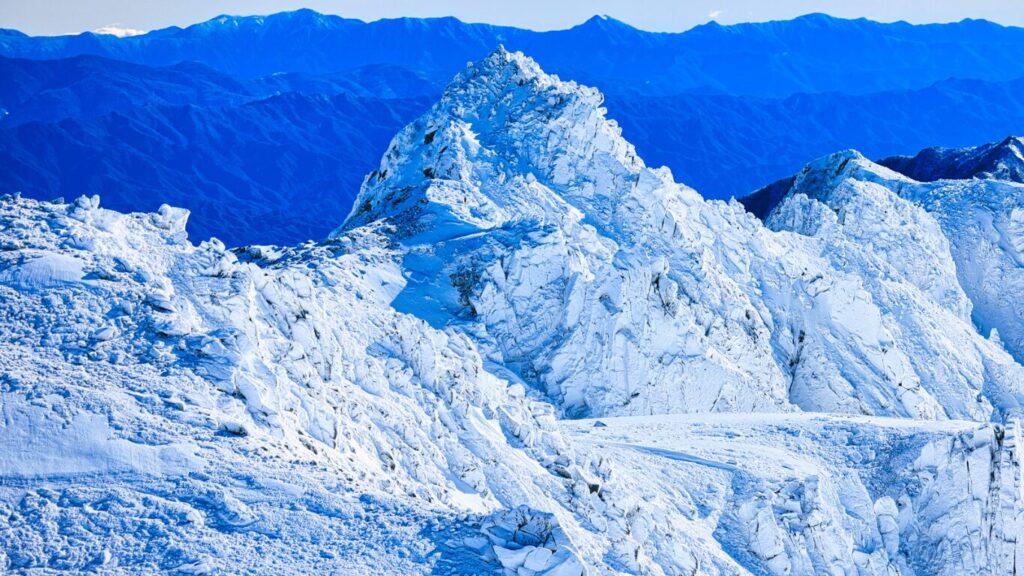
During winter, the cirque transforms into a snow-covered alpine landscape shaped by the harsh mountain climate. Depending on the weather conditions, visitors may encounter natural winter phenomena such as rime ice on trees, sparkling diamond dust, and “shukabra”, wind-shaped patterns formed across the snow surface.
A Winter Walk Across Senjojiki Cirque on Snowshoes
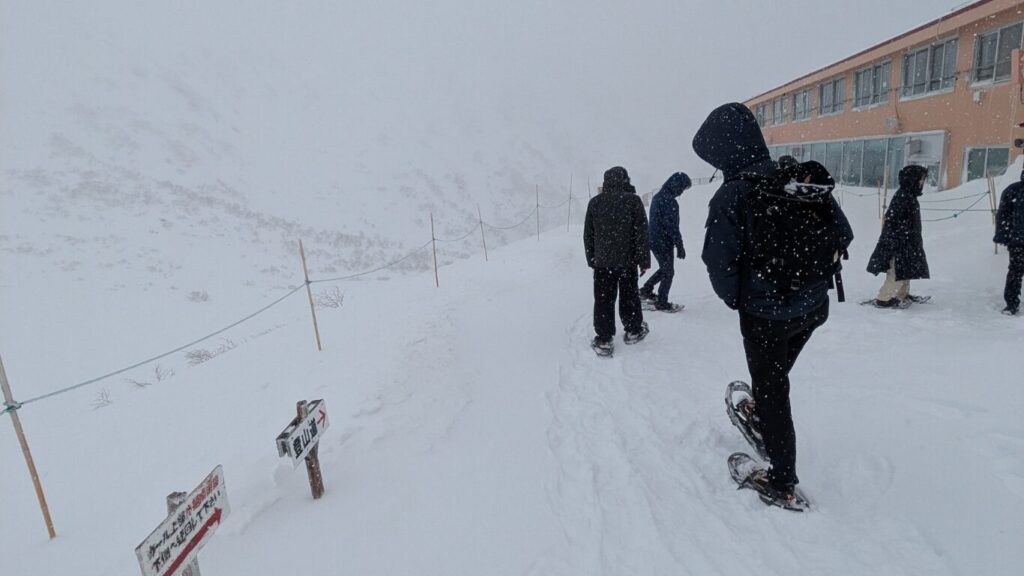
Among the many seasonal experiences at Senjojiki Cirque, one of the highlights of our visit was snowshoeing across the snow-covered alpine landscape.
During winter and early spring, the cirque transforms into a quieter environment covered in deep snow, offering a completely different atmosphere from the greener months. Snowshoeing provides a closer way to explore the area, allowing visitors to walk across terrain that would otherwise be difficult to access on foot.
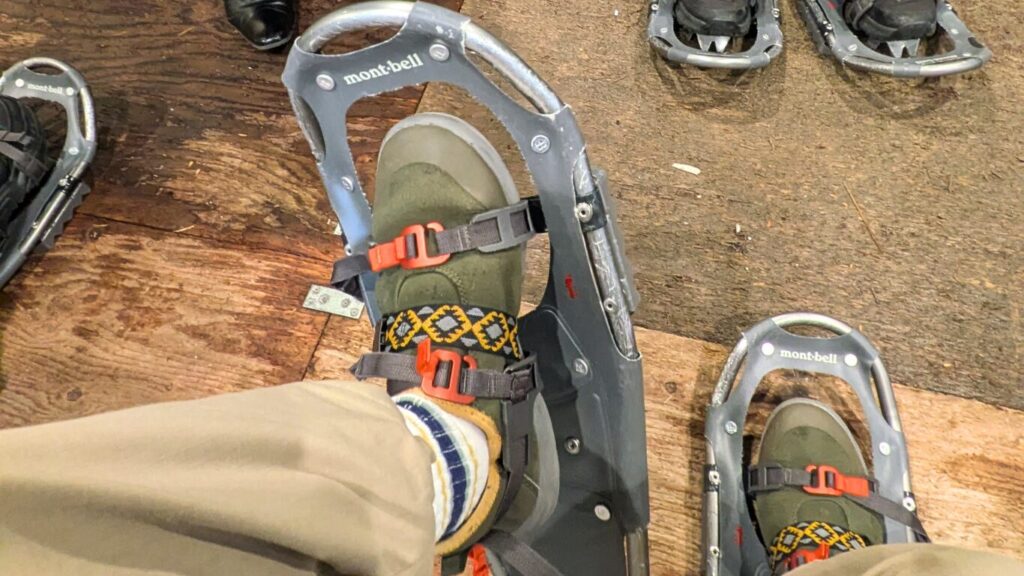
Snowshoes are designed to provide better balance and support while walking on snow, making the activity approachable even for first-time visitors. Equipment such as snowshoes, boots, and poles are included in the rental, so it is relatively easy to join without prior experience. The walking route itself takes around 30 minutes and is generally easy to follow, making it suitable for a wide range of ages.
Depending on the season and snow conditions, routes may take place around Shirabidaira or closer to Senjojiki Cirque, and the experience can usually be enjoyed until around May.
What stood out most during our experience was the stillness of the surroundings. With only the sound of footsteps pressing into the snow, the atmosphere felt calm and peaceful. Walking through the snow-covered paths while taking in views of Mount Hoken and the surrounding Alps offered a completely different perspective of the landscape compared to other seasons.
Even for those who may not usually take part in winter activities, snowshoeing here feels approachable and easy to enjoy. Rather than focusing on difficulty, the experience is more about slowing down and experiencing the scenery at a different pace.
At Japan Navi Journey, we are also able to arrange this activity as part of a larger group itinerary.
Discover Culinary Experiences in the Ina Valley
After spending time exploring the natural scenery of the Ina Valley, it is time to experience another side of the region through its food, local wine, and sake.
Beyond its landscapes, the Ina Valley is also known for its strong agricultural culture and locally produced ingredients. With clean water from the Alps and a climate well suited for farming, the region produces ingredients that form the foundation of many of its local specialities.
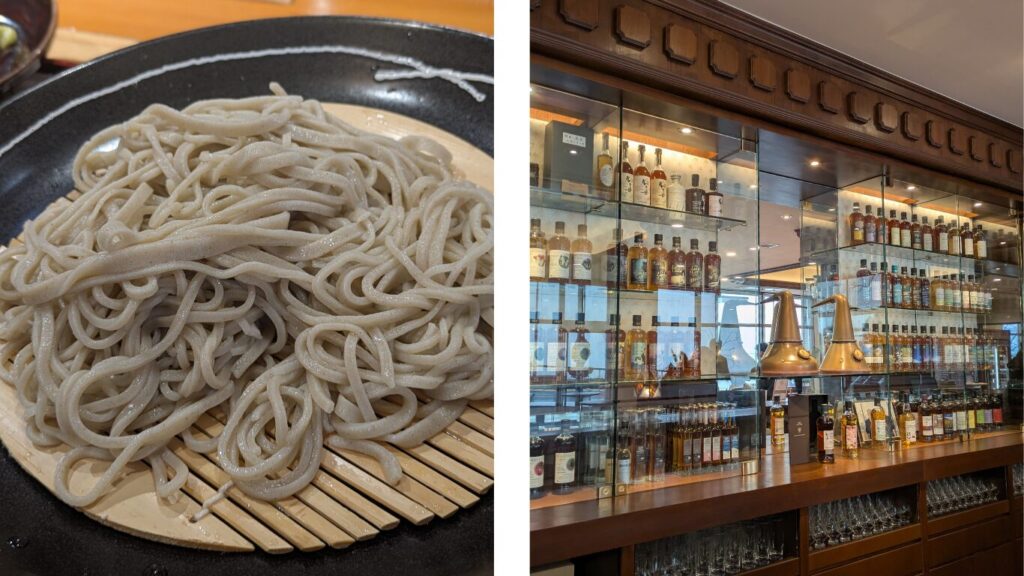
Here, food experiences go beyond simply dining. From hands-on soba-making to tasting local wine and sake, each activity offers a closer look at the techniques, ingredients, and traditions behind the region’s food culture. Many of these flavours are also closely tied to the area’s clean water and natural environment, which continue to play an important role in local production today.
Soba-Making Experience
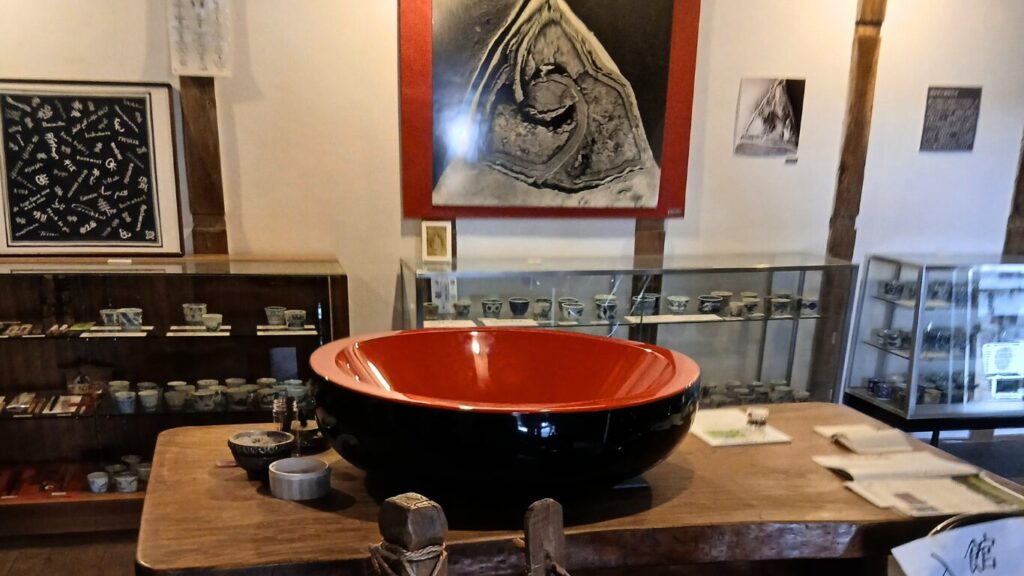
One of the most recognisable culinary experiences in Nagano is soba. In the Ina Valley, it is not just a dish but a skill that reflects tradition and technique. The region’s temperature variations throughout the day also play a role, influencing how the dough is handled and contributing to the final texture of the noodles.
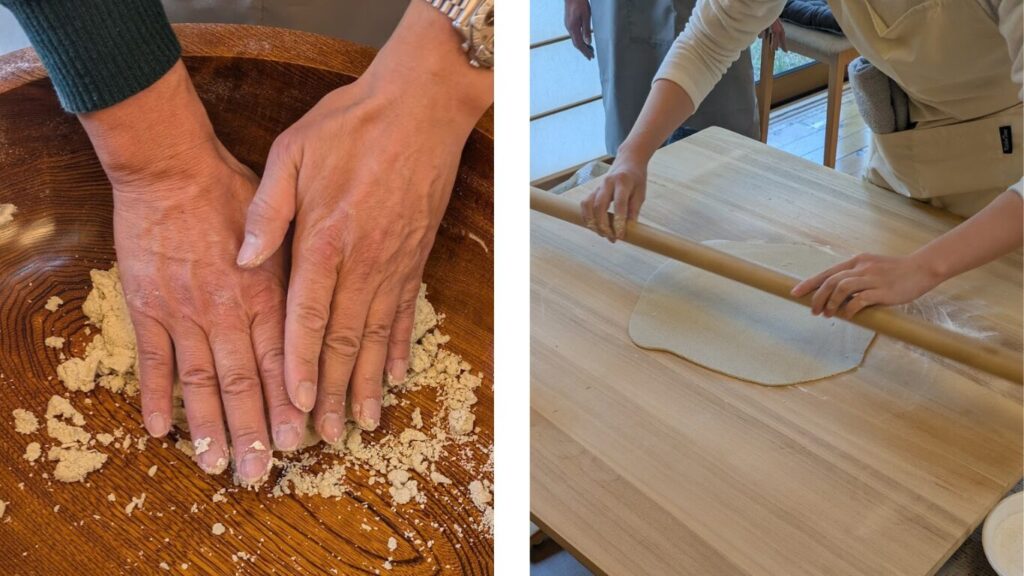
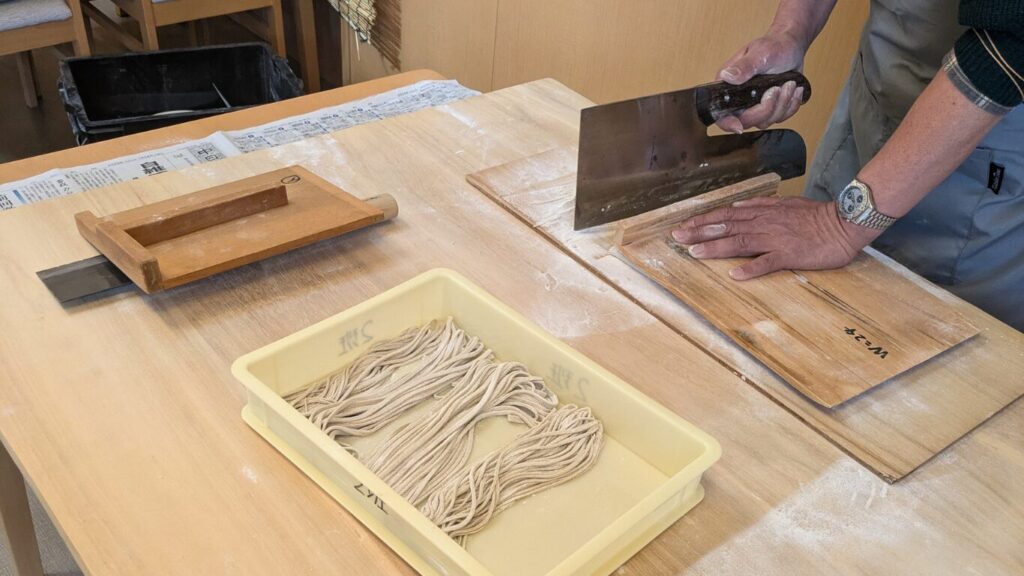
At a local soba shop in Nakagawa Village, you can take part in a hands-on soba-making session, starting from scratch. From kneading the dough to rolling and cutting it into thin strands, each step requires attention to technique and precision. While the process may seem straightforward at first, achieving the right consistency and evenly stretching the dough proved more challenging than expected.
What made the experience especially engaging was the comparison that followed. After preparing our own soba, we were able to taste it alongside professionally made noodles. The differences in texture and balance were clear, offering a better appreciation of the skill involved.
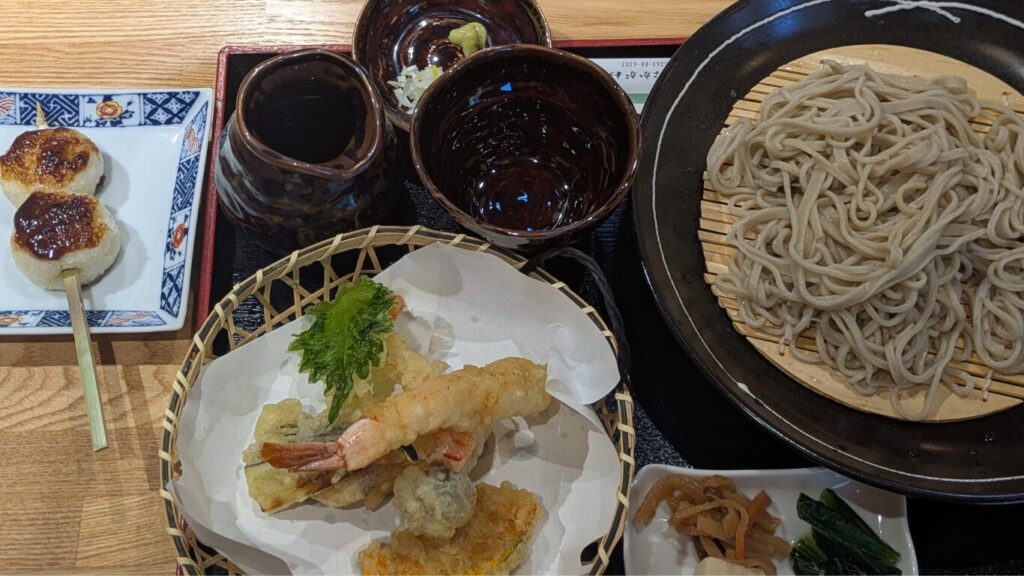
The meal itself included freshly prepared tempura served with zaru soba (cold soba noodles served on a bamboo tray, typically enjoyed with a dipping sauce), along with goheimochi, a grilled rice cake coated in a sweet and savoury miso sauce. The goheimochi stood out in particular, with a distinct flavour brought out by a hint of sansho (Japanese pepper), reflecting local ingredients from the region.
Enjoying the soba you made yourself adds to the overall experience. The texture, aroma, and clean taste of freshly prepared noodles highlight the quality of the water and locally grown buckwheat. It helps you better understand what goes into a good bowl of soba.
Sake Brewery Tasting
Beyond soba, the same high-quality water that supports local cuisine also plays a key role in sake production across Nagano.
Sake is made from just water, rice, and rice koji (fermented rice), and its flavour depends heavily on the quality of these ingredients. In parts of the region, the water is known for its cleanliness and suitability for brewing, with some sake brewers even saying it can be used just as it is. In the Ina Valley, rice is cultivated across elevations ranging roughly from 450 to 800 metres. These differences in altitude and climate influence how the rice develops, with certain varieties better suited to higher elevations and temperature shifts, contributing to rice that is well suited for brewing.
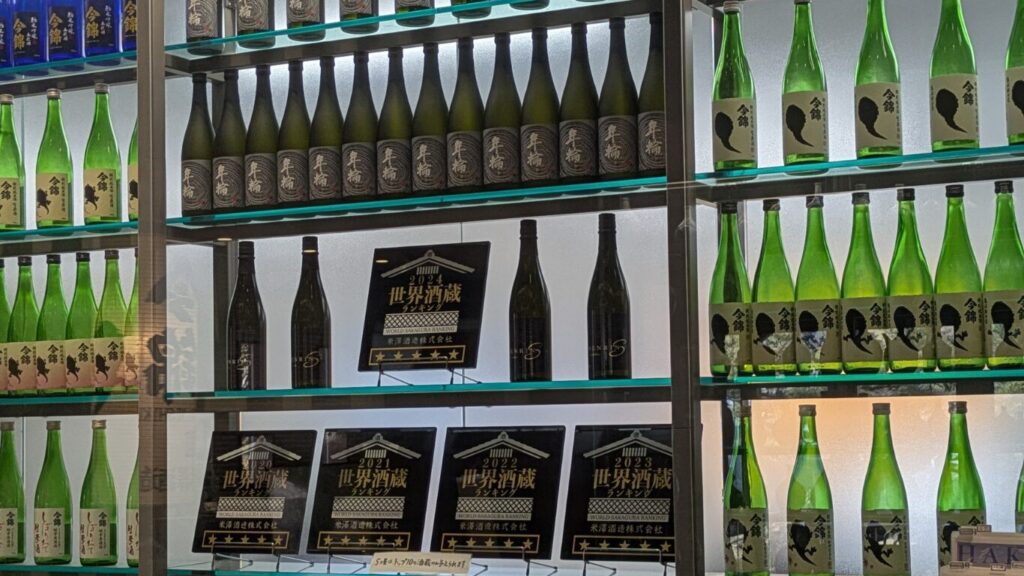
At one of the long-established sake breweries in Nagano, founded in the early 20th century, sake is brewed using groundwater from the Southern Alps and locally produced rice. One of the distinctive techniques used here is the traditional “sake vat pressing” method, where fermented mash is gently pressed in cloth bags to extract the liquid, resulting in a cleaner and more refined finish.
During our visit, we took part in a tasting session featuring more than 10 different types of sake. Even for those unfamiliar with sake, the differences in flavour were easy to recognise. Variations in rice, brewing methods, and aging processes were clearly noticeable across each pour.
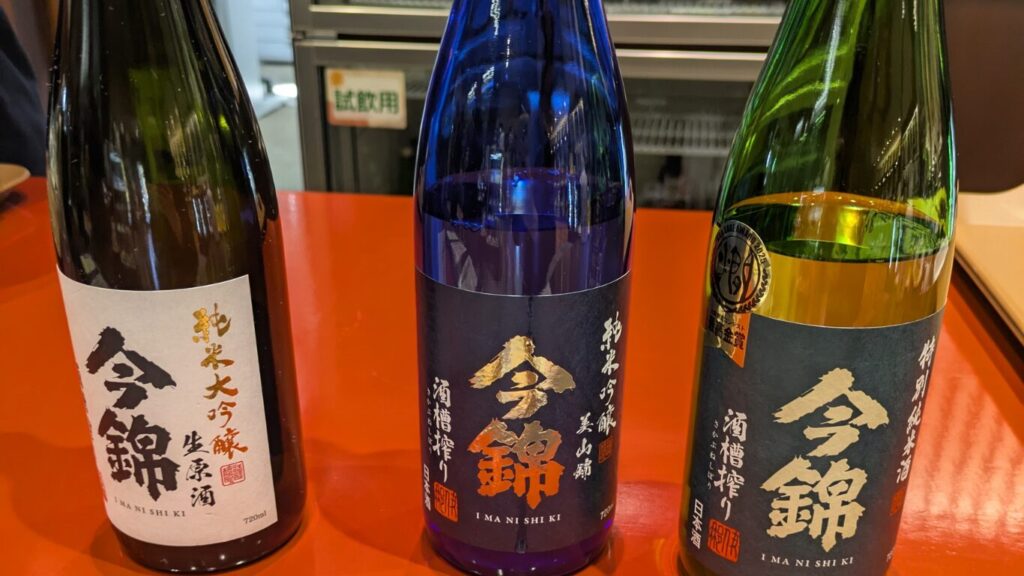
The session also included explanations on how different types of sake can be paired with everyday dishes. Suggestions such as sake that pairs well with fried chicken were especially interesting, as they moved away from the more traditional image often associated with sake. We also learned more about the brewery’s philosophy of prioritising quality over large-scale production.
At Japan Navi Journey, we can arrange visits for different group sizes as part of a customised itinerary. Tastings can be conducted in small or larger groups, with guided explanations available in English and supporting materials in Traditional Chinese, making the experience accessible to international visitors.
Whisky Distillery Tour and Tasting
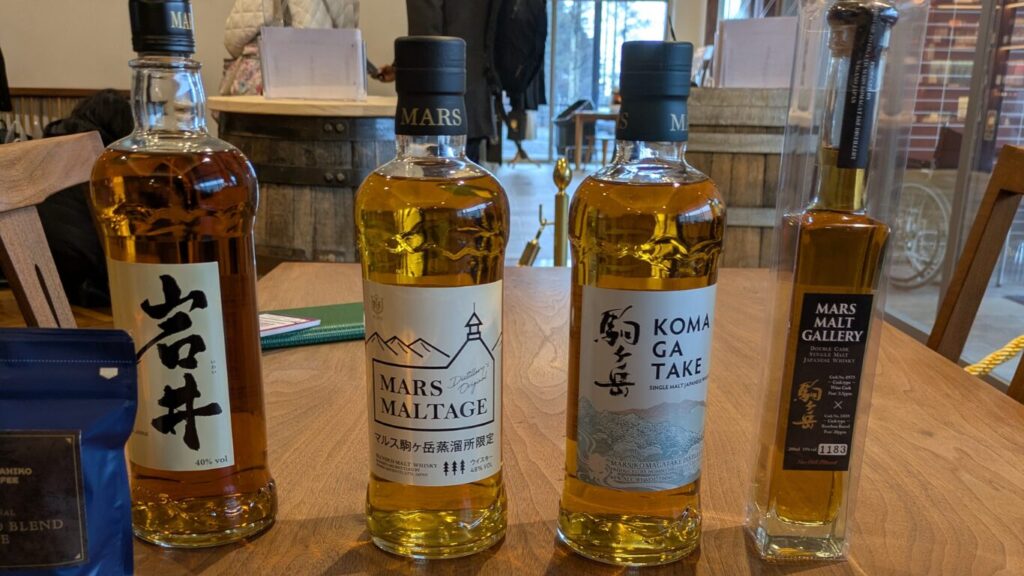
For a different perspective on the region’s brewing culture, a visit to one of Nagano’s well-known whisky distilleries offers an introduction to whisky production in the Ina Valley.
Located at the foot of the Central Alps at an altitude of around 798 metres, the distillery operates in an environment well suited for whisky-making. Clean air, a cooler climate, and access to high-quality water all contribute to how the whisky develops, particularly during the aging process.
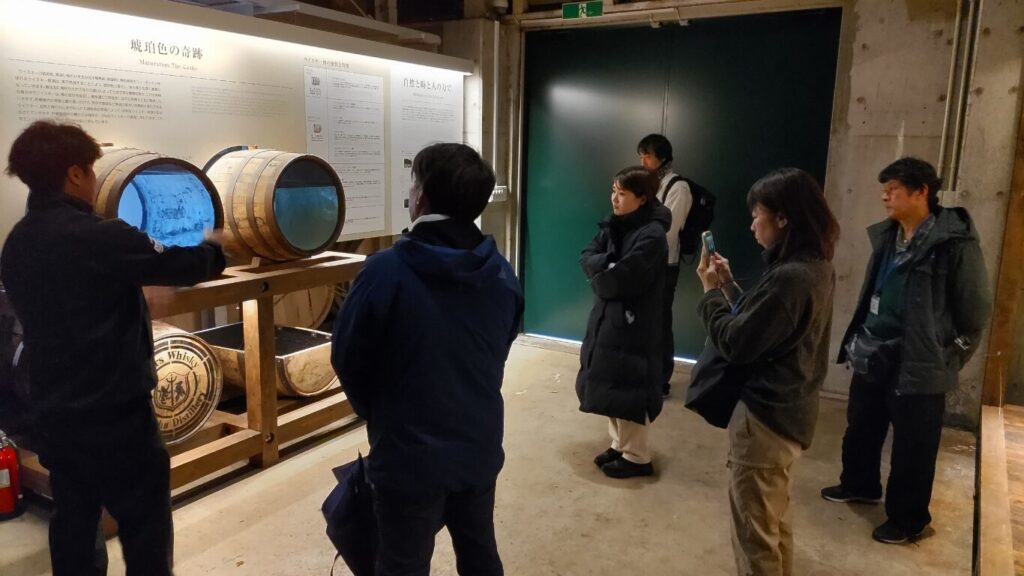
The tour begins with a walk through the distillery, where each stage of production is presented clearly behind glass. From fermentation to distillation and storage, the process is easy to follow even for those new to whisky. Barrels are stored on-site for aging, some for several years and others for decades, allowing time and environmental conditions to shape the final character.
The full experience, including tasting, typically takes around 45 minutes to 1 hour.
A key part of the experience is its sensory element. As we moved through the distillery, the aroma of whisky became noticeable, creating a subtle but constant presence throughout.
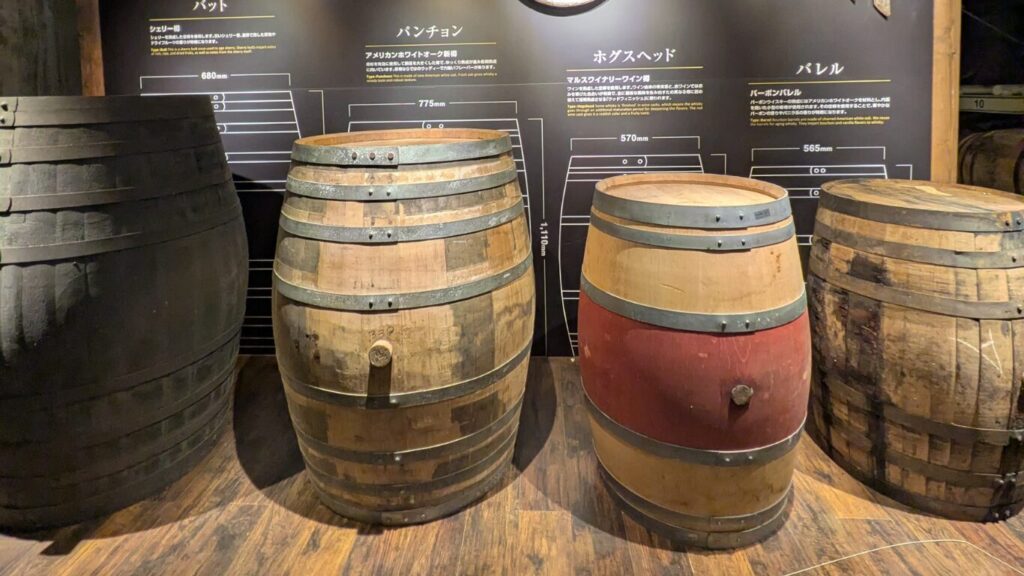
During the tasting session, we found that the differences between each whisky become more apparent. Variations in barrel types, such as bourbon or wine casks, influence both the aroma and taste, making it easier to recognise how each element contributes to the final result.

Interestingly, even non-alcoholic options such as whisky barrel-aged coffee carry similar aromatic qualities, making it a great option for those who are not into alcohol, while still experiencing the distillery’s signature flavours.
Exploring More of Nagano Beyond the Ina Valley
After spending time in the Ina Valley, you may want to explore some of Nagano’s popular spots, such as Karuizawa and Hakuba. Each offers a different experience. Karuizawa is known for its laid-back resort atmosphere, with cafés, boutique shops, and scenic spots that make it ideal for a relaxed day out. Hakuba, on the other hand, is more mountain-focused, with expansive alpine views and outdoor activities that change with the seasons.
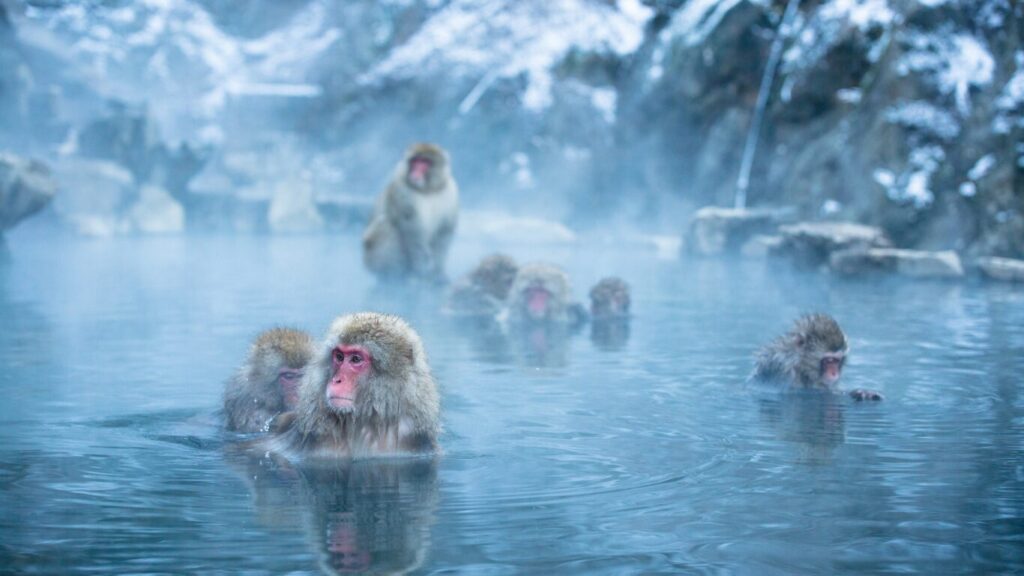
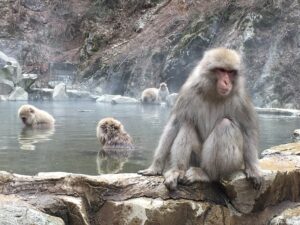
One not to be missed is a visit to Jigokudani Monkey Park, best known for its Japanese macaques, often seen soaking in hot springs during winter. The park, however, is not limited to the colder months. Outside of winter, the monkeys remain active in their natural environment, moving freely through the forest as they forage, interact, and raise their young. From spring to autumn, you can observe a different side of their behaviour, from feeding on seasonal plants to caring for newborns and preparing for the colder months ahead. This makes it a worthwhile stop throughout most of the year, not just during the snow season.
Planning Your Trip
Getting from Tokyo to Nagano often requires more planning, with transfers and fixed train schedules to consider. Travelling by private car offers a more flexible and comfortable alternative. Instead of navigating multiple routes, you can move directly between locations such as the Ina Valley, Karuizawa, Hakuba, and Jigokudani Monkey Park, with greater flexibility and fewer time constraints.
It also allows you to take in the scenery along the way. As you pass through Nagano’s countryside, the landscape shifts from open valleys to winding mountain roads, offering views that are not always visible when travelling by train. This makes the overall experience feel less rushed, especially when covering multiple destinations within a limited timeframe.
At Japan Navi Journey, we offer private car transfers as part of a customised itinerary, allowing you to move between destinations comfortably while making the most of your time in the region. We can also arrange foreign language-speaking guides, helping you better understand the history, culture, and stories behind each place. Whether you are travelling as a family or as part of a larger corporate group, arrangements can be tailored to suit different group sizes and travel needs.

Many of our past guests have also shared positive experiences with our drivers and guides, who help make the time spent travelling between destinations feel more comfortable and enjoyable. Beyond transportation, these transfers often become part of the overall experience, offering opportunities to learn more about the region through local insights and conversations along the way.
For those looking for something more tailored, we can suggest unique cultural experiences that go beyond typical sightseeing. Each itinerary is carefully planned based on your interests, creating a trip that feels well-curated.
To help you plan your trip, we also offer sample itineraries across different parts of Nagano. If you are exploring eastern Nagano, you can take a look at our sample itinerary covering areas such as Karuizawa, with a mix of nature, outdoor activities, and unique local experiences. For those interested in a more relaxed travel, our southern Nagano itinerary includes places like Matsumoto, Suwa, and Hirugami Onsen, combining hot spring stays, local food, and scenic landscapes.
These itineraries are designed to give you an idea of how different places can be explored together, and can be adjusted based on your preferences and travel style. You can explore the eastern Nagano and southern Nagano itineraries for more inspiration, or reach out to us if you would like help planning something similar.
If you are considering a more personalised way to explore Nagano, feel free to get in touch with us for more details.
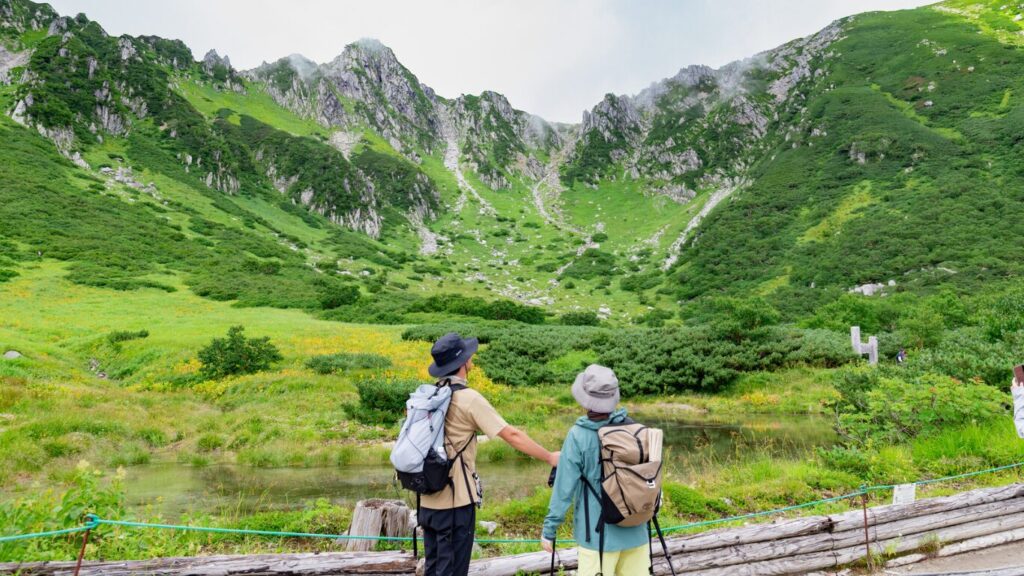
The Ina Valley offers a different way to experience Nagano, especially if you enjoy outdoor and hands-on activities. From exploring river valleys and mountain areas to trying soba-making and visiting local breweries, there is a good mix of experiences.
Many of the activities are suitable for all ages, making it easy to include in your itinerary. The region’s food culture, supported by its clean water and agricultural conditions, also gives a clearer understanding of how local ingredients and traditions come together.
From the Ina Valley, you can continue to nearby places such as Karuizawa and Hakuba, or visit Jigokudani Monkey Park to see Japanese macaques. These places are easy to combine into one trip.
Travelling between these locations by private car makes it easier to plan your route, especially if you are visiting multiple destinations within a limited period. It also gives you the chance to enjoy the changing scenery along the way, without having to work around fixed schedules.
Overall, the Ina Valley is a great place to include in your Nagano itinerary, especially if you are looking for a mix of nature, activities, and local experiences in one area.
What also makes the Ina Valley different is how closely it is tied to both nature and everyday life. Shaped by the Tenryu River and surrounded by mountain ranges, the area has long supported farming communities, local crafts, and traditions that are still part of daily life today. This can be seen not just in the scenery, but also in how food is prepared and how activities are carried out. Rather than being built around tourism, the Ina Valley reflects a way of life that has been preserved and adapted over time.
The next time you are in the Land of the Rising Sun, consider looking beyond the usual favourites. Taking the time to explore places outside the main cities can offer a different perspective, and you may come across experiences you did not expect. If you are looking for more ideas, you can also explore our travel guides for further inspiration.