
Your Travel Guide to Gifu Prefecture: Gero Onsen, Hida Takayama and Shirakawa-go
-
Gifu
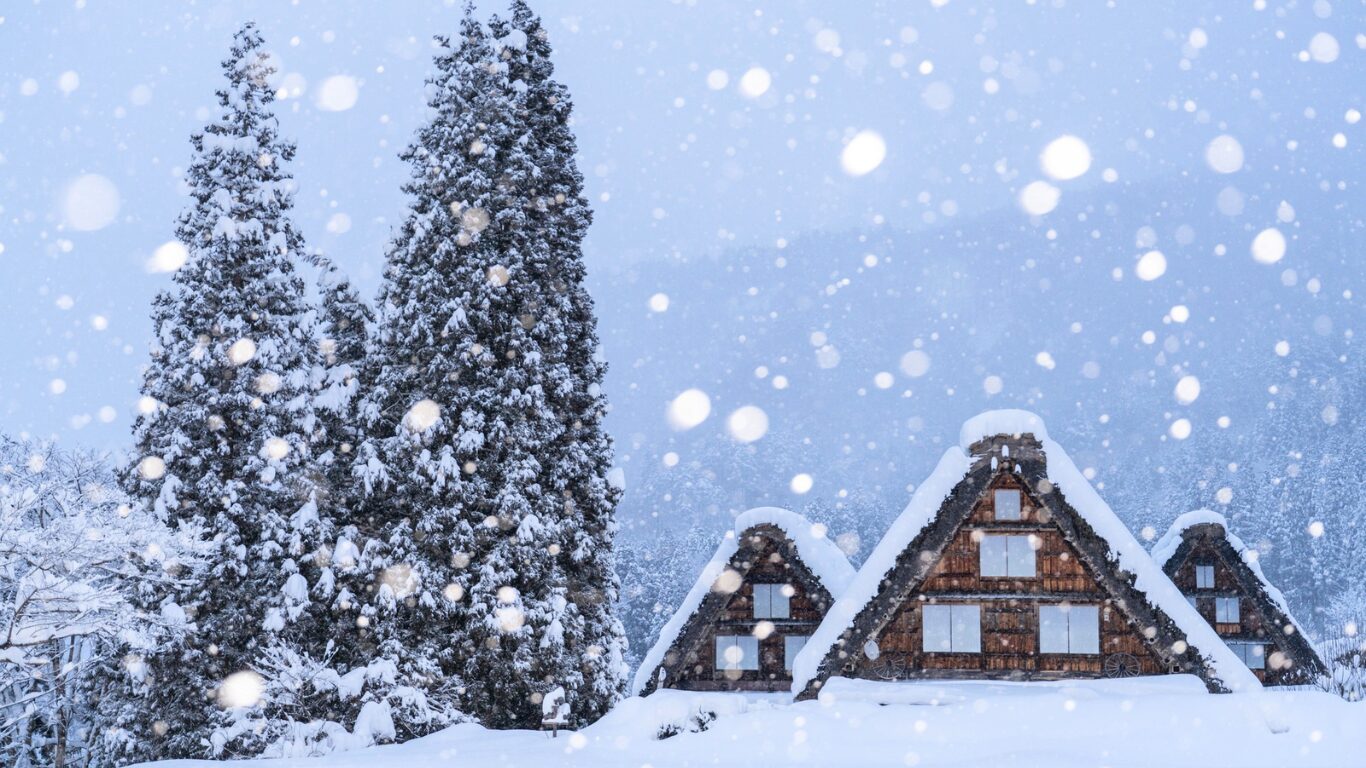
What if we told you that just a few hours from Nagoya, you could soak in a famous hot spring town, wander through centuries-old merchant streets, and explore a UNESCO World Heritage village filled with traditional thatched-roof houses?
While Tokyo, Osaka, and Nagoya are often at the top of every Japan itinerary, some of the country’s most fascinating cultural and historical experiences can be found beyond the major cities.
Head north from Nagoya into Gifu Prefecture and you will soon notice a change in the scenery. Skyscrapers give way to mountains, bustling train stations are replaced by quiet riverside towns, and modern city landscapes make way for historic streets, traditional villages, and scenic countryside views.
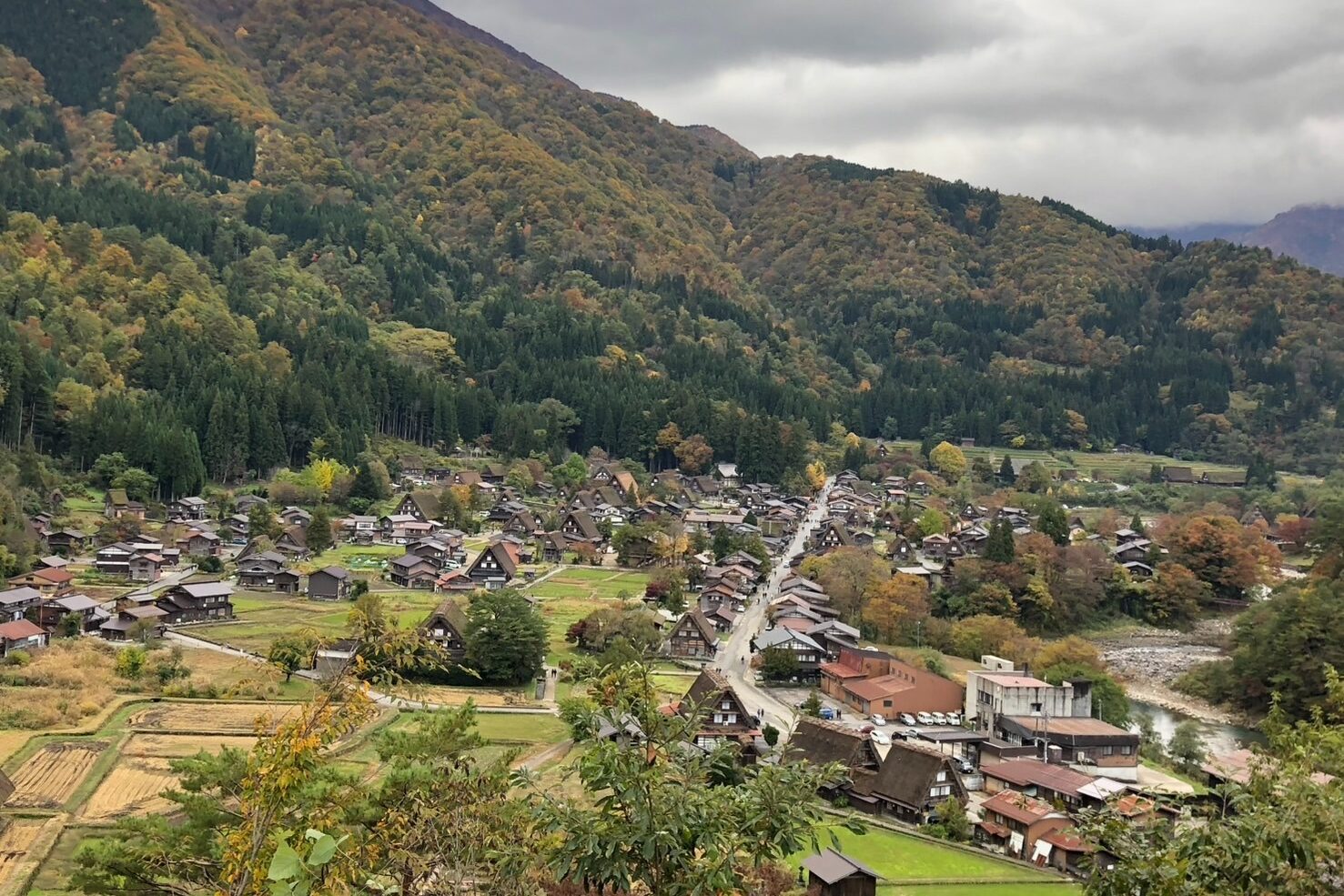
This is where you’ll find Gero Onsen, Hida Takayama, and Shirakawa-go, three of Gifu’s most popular attractions. Gero Onsen is one of Japan’s Three Famous Hot Springs, known for its relaxing mineral-rich waters. Hida Takayama is famous for its beautifully preserved Edo-period streets, local markets, and regional delicacies such as Hida beef and Takayama ramen. Further north lies Shirakawa-go, a UNESCO World Heritage Site best known for its distinctive Gassho-zukuri farmhouses with steeply pitched thatched roofs.
Thinking about where to go after exploring Nagoya? This Nagoya to Takayama itinerary showcases one of the most rewarding tours through Gifu Prefecture, taking you beyond the city to discover hot springs, historic towns, and traditional villages.
While express buses are available from Nagoya, a private car offers one of the most comfortable and convenient ways to explore Gifu. For travellers seeking a seamless travel Japan experience, we at Japan Navi Journey can arrange private transportation that allows you to travel at your own pace while enjoying the region’s mountain scenery and rural landscapes. From transportation and accommodation to customised itineraries, our team can help create a hassle-free journey tailored to your interests.
The flexibility of private transportation also makes it easy to continue your trip beyond Gifu, whether you’re heading to the historic city of Kanazawa or the beautiful mountain landscapes of Nagano.
Read on to discover the diverse attractions that make Gifu Prefecture worth visiting, from relaxing hot springs and historic streets to one of Japan’s most famous UNESCO World Heritage villages. If you’re planning a trip to Central Japan, this sample itinerary offers a useful starting point for discovering some of the region’s most rewarding experiences.
Rejuvenate Your Mind and Body at Gero Onsen, One of Japan’s Top Three Hot Springs
Your first stop in Gifu Prefecture should be Gero Onsen, one of Japan’s Three Famous Hot Springs and the perfect place to relax and recharge before continuing your Gifu tour to Hida Takayama and Shirakawa-go.
Discover the History and Hot Spring Culture of Gero Onsen
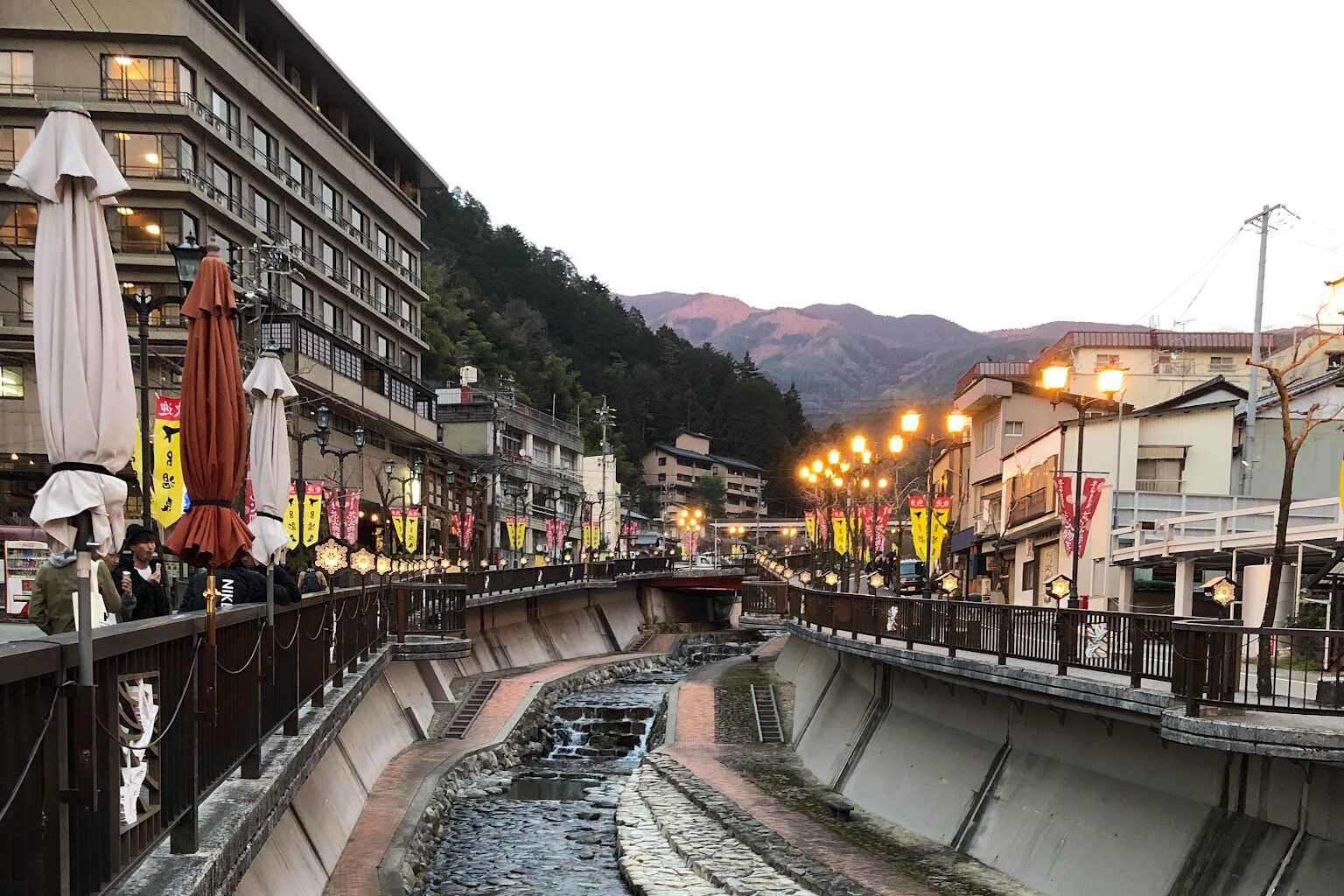
Located along the Hida River and framed by the mountains of the Hida region, Gero Onsen has been attracting visitors for centuries. The town is particularly famous for its smooth, alkaline-rich waters, which are often praised for their silky texture and skin-softening properties. Today, it remains one of Japan’s most popular hot spring destinations, welcoming visitors looking to enjoy both relaxation and traditional Japanese culture.
The history of Gero Onsen dates back more than 1,000 years. Historical records suggest that the original hot spring source was first discovered high on Mount Yugamine during the Heian period. However, the spring eventually stopped flowing and disappeared. According to local legend, a white heron played a role in the rediscovery of the hot spring source, giving rise to what is now known as the White Heron Legend. The story remains closely associated with Gero Onsen and continues to be passed down today.
Gero Onsen’s reputation spread throughout Japan over the centuries. During the Muromachi and Edo periods, both the Zen monk Banri Shuku and the Confucian scholar Hayashi Razan recognised Gero alongside Arima Onsen and Kusatsu Onsen as one of Japan’s Three Famous Hot Springs, helping to establish its reputation throughout the country. The opening of Gero Station and the JR Takayama Line later made the town more accessible to visitors, supporting its growth into one of Japan’s most popular hot spring destinations.
One of the best ways to experience Gero Onsen today is through its Yumeguri Tegata, a traditional wooden hot spring pass that allows visitors to enjoy baths at multiple participating inns around town. Rather than spending the day at a single facility, visitors can choose three hot spring baths from around 15 participating ryokan and discover their own favourites while experiencing different sides of Gero Onsen’s hot spring culture.
The pass offers plenty of flexibility and can be used all in one day for a dedicated hot spring-hopping experience, or saved for future visits as it remains valid for up to six months. Whether staying overnight or visiting on a day trip, it provides a convenient way to enjoy some of the town’s most well-known hot spring baths.
Stroll Through the Charming Hot Spring Town
Beyond soaking in the hot springs, take some time to explore the town on foot. The streets along the Hida River are lined with souvenir shops, local eateries, cafes, and traditional inns, making them ideal for a leisurely stroll. Along the way, you’ll also find footbaths scattered throughout the town, some of which can be enjoyed free of charge. They offer a relaxing way to take a break and soak in the atmosphere while exploring Gero Onsen.
Part of the enjoyment of strolling through Gero Onsen is discovering the local food and snacks available along the way. Small shops sell traditional Japanese sweets, freshly grilled rice crackers, and local treats that make perfect snacks between stops. You may even come across unique hot spring-inspired desserts, including puddings warmed using hot spring water and soft serve ice cream topped with a hot spring egg.
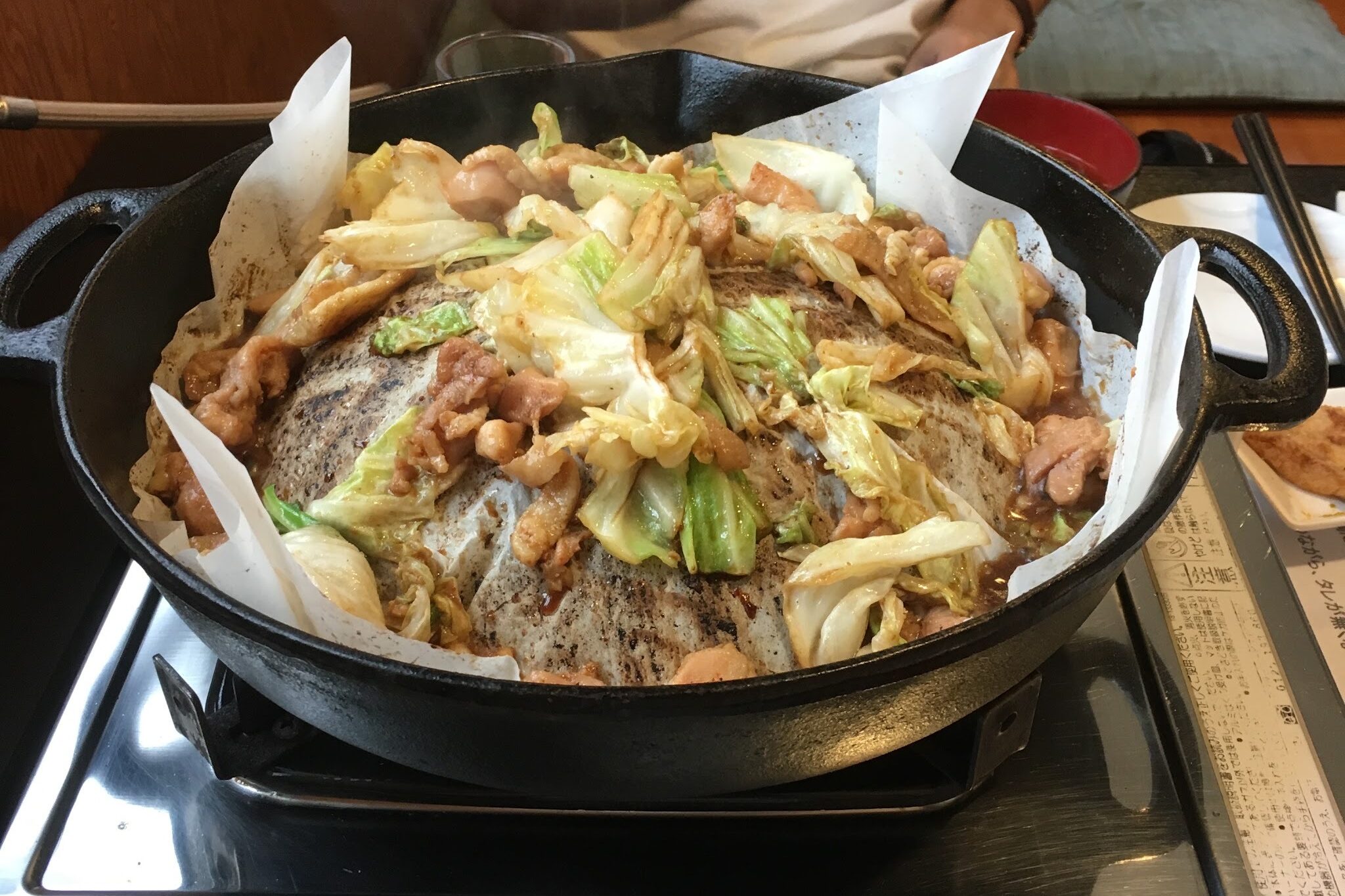
If you’re looking for a taste of authentic local life, don’t miss Kei-chan, one of Gero’s best-loved local specialities. Deeply rooted in the region’s food culture, this comforting dish features tender chicken and crisp cabbage stir-fried in a savoury seasoning, most commonly miso or soy sauce. Offering flavours that have been enjoyed by generations of locals, Kei-chan is a regional speciality that’s well worth trying during your visit.
Join one of our customised Gifu tours, and let us take you to carefully selected local restaurants where you can enjoy this much-loved regional dish while discovering the authentic flavours of Gero.
For those interested in the town’s history, a visit to Onsen-ji Temple is highly recommended. Located on a hillside overlooking Gero Onsen, the temple is dedicated to Yakushi Nyorai, the Medicine Buddha closely associated with the White Heron Legend. After climbing the stone steps leading up to the temple, visitors are rewarded with panoramic views of the hot spring town below. It is a great place to learn more about the history and legends that have shaped Gero Onsen over the centuries.
Relax in a Traditional Ryokan with a Private Onsen
Of course, no visit to Gero Onsen would be complete without staying at a traditional ryokan. Many ryokans in the area offer beautifully designed Japanese-style rooms, seasonal kaiseki meals, and access to hot spring facilities, allowing guests to fully immerse themselves in the onsen experience.
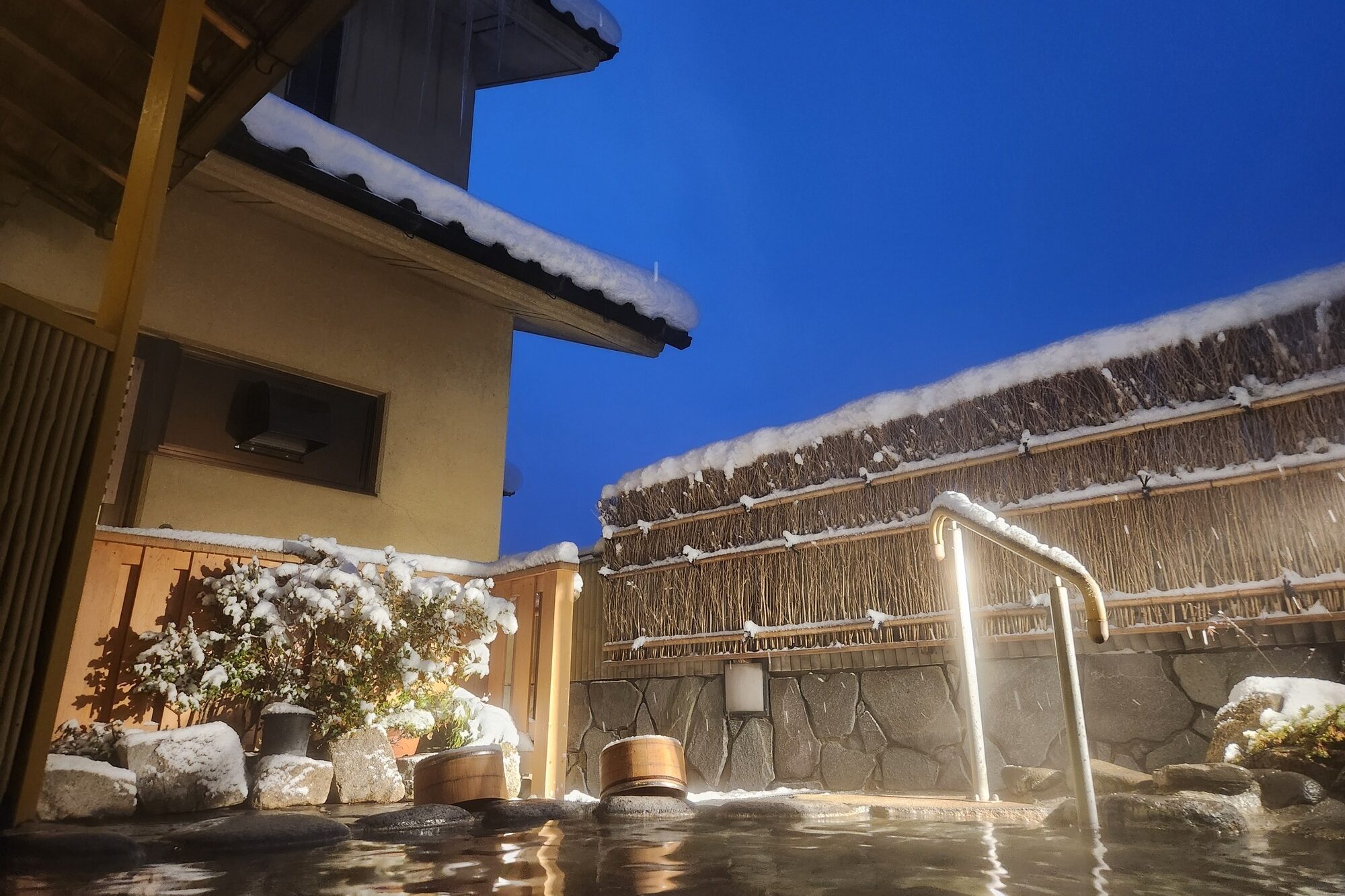
For travellers looking for an even more exclusive stay, some luxury ryokans feature kashikiri rotenburo (private open-air baths). These private baths allow guests to enjoy Gero Onsen’s famous waters in complete privacy while overlooking rivers, gardens, or mountain scenery. As room types and private bath availability vary between ryokans, we can also assist with recommending and arranging accommodations based on your preferences to help create a more personalised experience.
With your mind and body refreshed, continue north to Hida Takayama, one of the highlights of many Nagoya to Takayama itineraries and Central Japan tours. Travelling by private car offers a comfortable and convenient way to continue your trip, allowing you to enjoy the region’s beautiful mountain landscapes along the way.
Immerse Yourself in Edo-Period Streetscapes in Hida Takayama
Hida Takayama is one of Gifu Prefecture’s most charming historic towns. Known as the “Little Kyoto of Hida,” it is famous for its beautifully preserved old town, rich history, and delicious local food.
Takayama’s Old Town: A Living Edo-Period Town
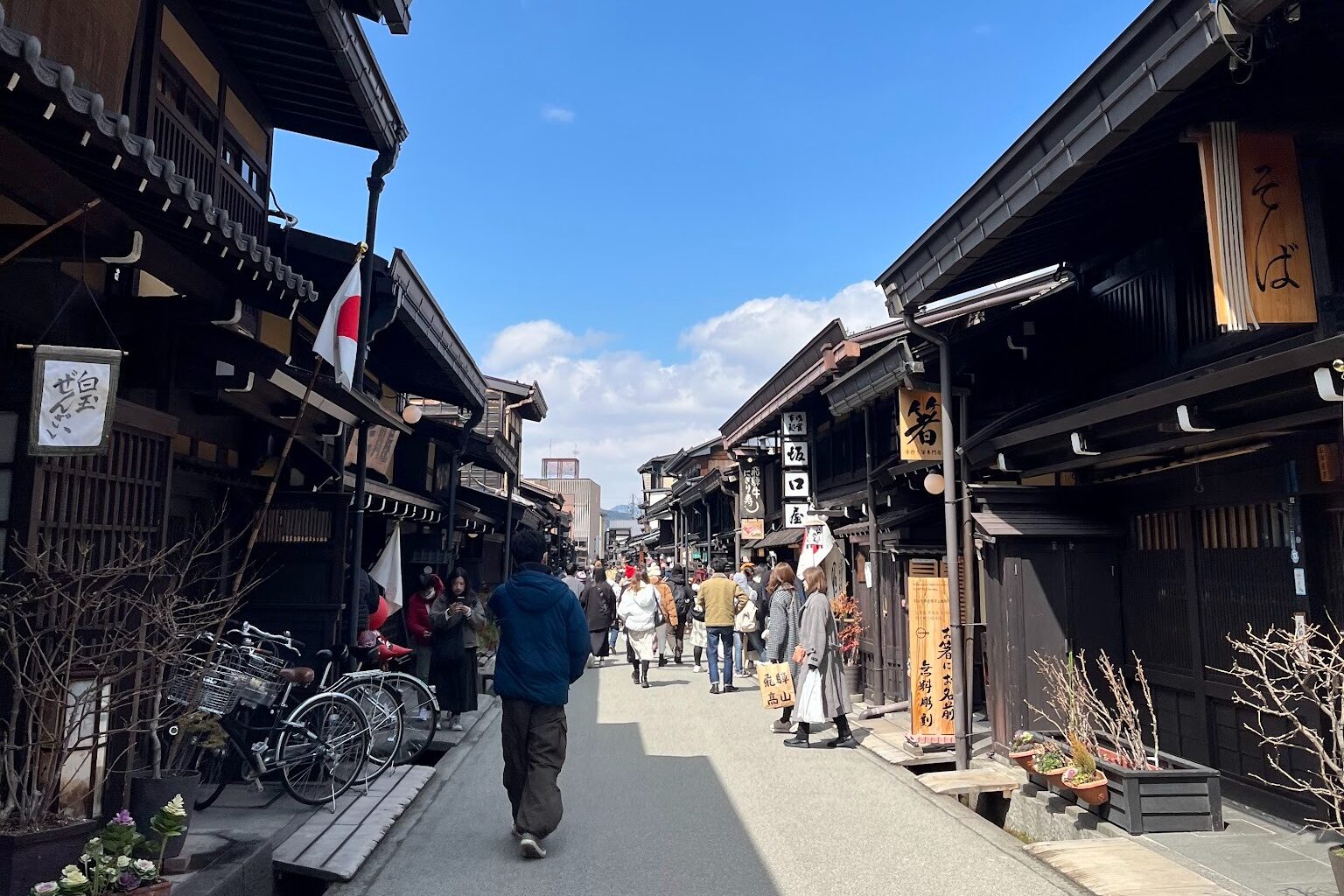
Takayama’s Old Town is one of Hida Takayama’s most popular areas. Here, timber-framed merchant houses from the Edo period line the streets, creating one of the most atmospheric townscapes in Gifu. Long-established sake breweries, craft shops, cafes, and family-run businesses continue welcoming visitors from these historic buildings, making Hida Takayama a living historic town where traditions passed down through generations remain part of everyday life.
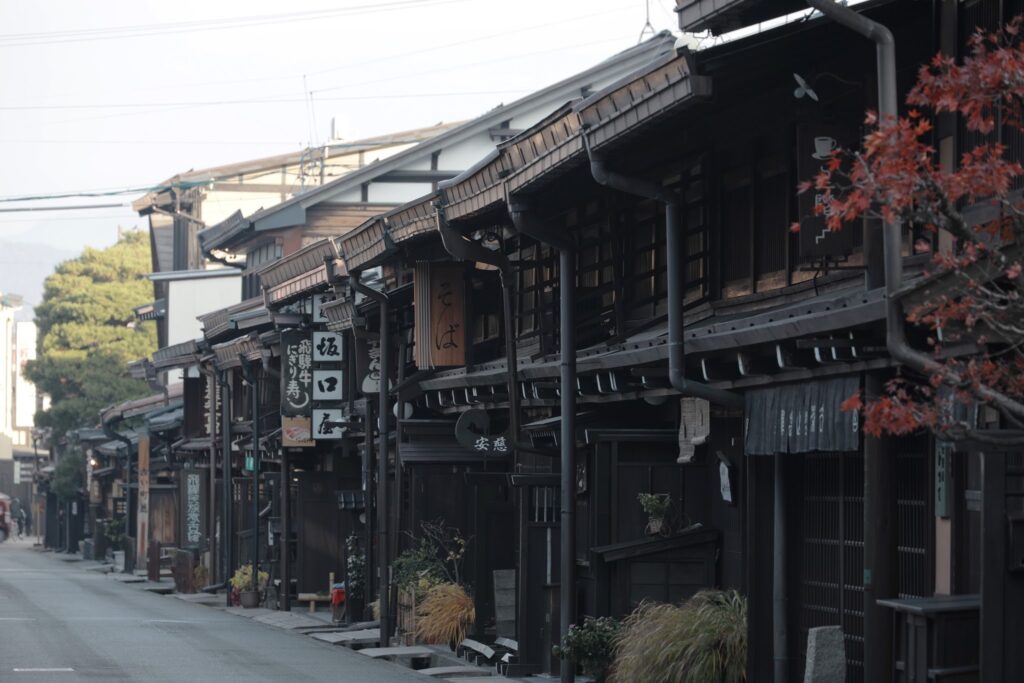
The preservation of Hida Takayama’s old town is one of the reasons it remains such a popular destination today. Many of the historic buildings have been carefully maintained, helping to preserve the appearance of the former merchant district. As a result, visitors can still experience streets that closely resemble how the town would have looked during the Edo period.
Hida Takayama also has an interesting history. In the late 16th century, under the leadership of Kanamori Nagachika, roads were developed and merchants were encouraged to settle in the area, laying the foundation for the castle town. As Japan entered the Edo period, supported by abundant natural resources such as high-quality timber from the nearby mountains, Hida Takayama flourished and grew into an important commercial centre in the Hida region. This rich heritage can still be seen throughout the old town today.
Discover Hida Takayama’s Local Gastronomy (H3)
Of course, exploring Hida Takayama is not just about history. It is also one of the best places in Gifu to enjoy local street food.
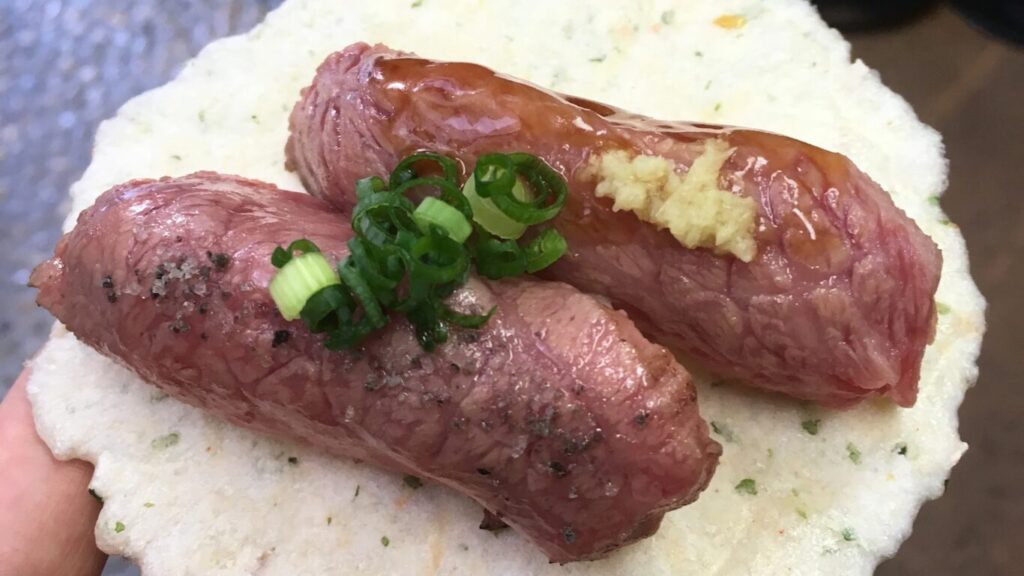
The most famous speciality is Hida beef, one of Japan’s premium wagyu brands. Renowned for its fine marbling and rich flavour, Hida beef can be enjoyed in many forms throughout the town, including the popular Hida beef sushi.

Another local favourite is mitarashi dango, grilled rice dumplings coated with a savoury soy sauce glaze. Unlike the sweeter versions commonly found elsewhere in Japan, Hida Takayama’s version is a popular snack among locals.
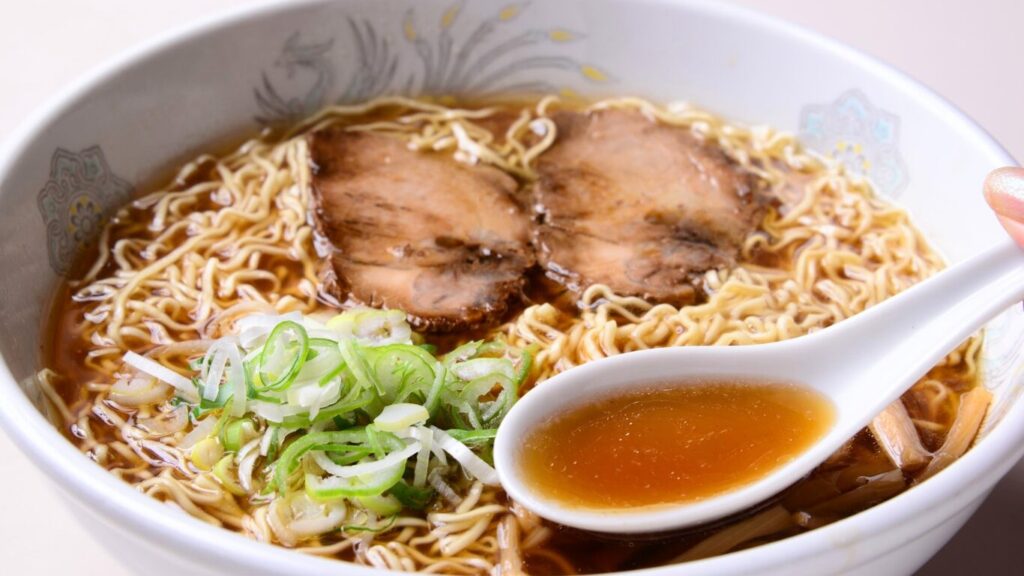
For a hearty meal, try Takayama ramen. This local ramen style features a light soy sauce-based broth, thin curly noodles, and simple toppings. While it may look simple compared to some of Japan’s richer ramen varieties, it remains one of the region’s most beloved comfort foods.
Experience Local Life at the Miyagawa Morning Market
To experience a different side of local life, start your morning at the Miyagawa Morning Market. Held daily along the banks of the Miyagawa River, this busy market has a history dating back more than a century and remains one of Japan’s most famous morning markets.
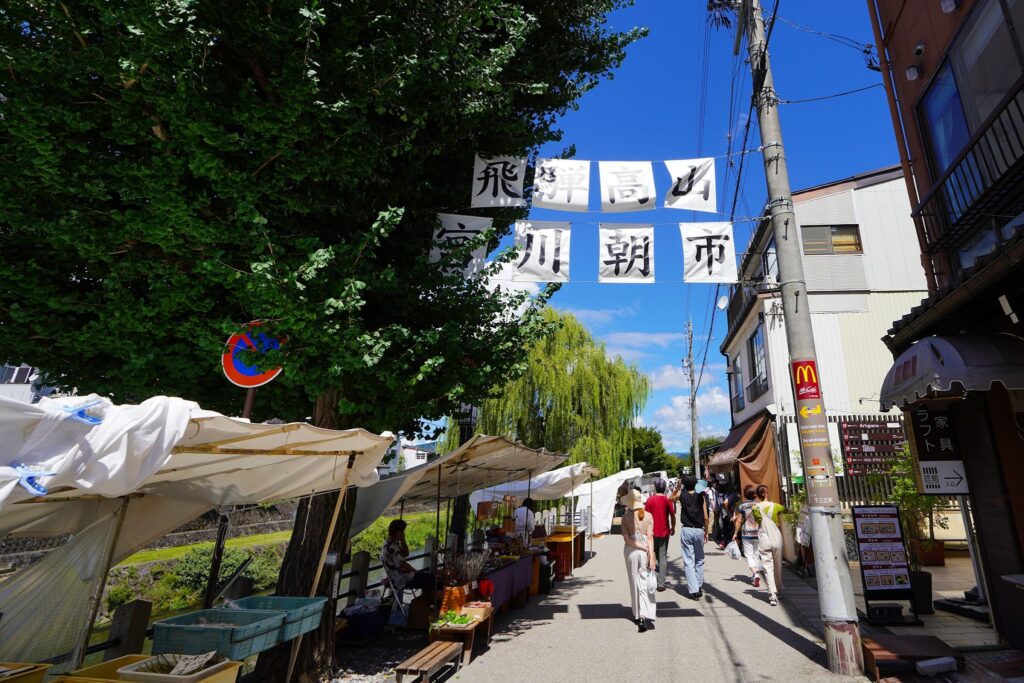
Local vendors gather here each morning to sell fresh vegetables, seasonal fruits, pickles, miso, flowers, handmade crafts, and regional specialities. It is a great place to shop for local goods, pick up souvenirs, and experience everyday life in Hida Takayama.
One of the reasons the Miyagawa Morning Market remains so popular is the changing selection of seasonal products available throughout the year. Depending on when you visit, you may find locally grown vegetables, mountain produce, fresh fruit, flowers, or regional delicacies unique to the Hida region.
Beyond shopping, the market also provides an opportunity to interact with local vendors and learn more about everyday life in Hida Takayama.
Experience the Takayama Matsuri, One of Japan’s Most Beautiful Festivals
For travellers interested in traditional festivals, the Takayama Matsuri is one of the town’s greatest highlights. Held every spring and autumn, the festival is recognised as a UNESCO Intangible Cultural Heritage and is often regarded as one of Japan’s most beautiful festivals.
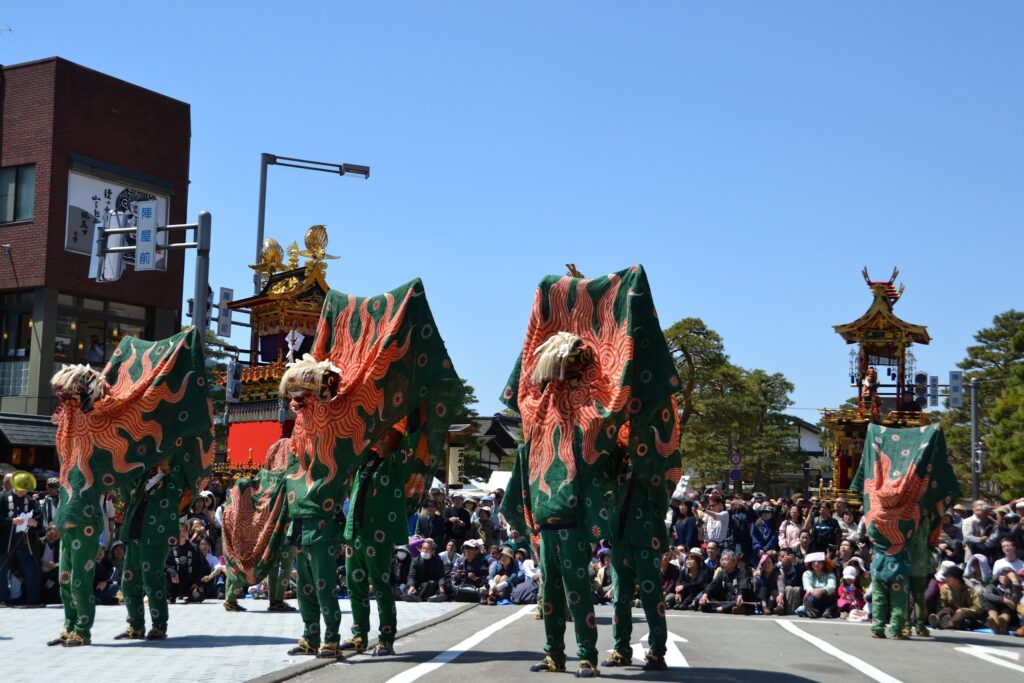
The Spring Takayama Festival takes place on 14 and 15 April each year, while the Autumn Takayama Festival is held on 9 and 10 October. In spring, the festival takes place against a backdrop of cherry blossoms, while autumn brings colourful seasonal foliage to the celebrations.
One of the main attractions of the festival is the procession of yatai, traditional festival floats that are carefully decorated and pulled through the streets of Hida Takayama. Adorned with detailed carvings, lacquerwork, metalwork, and textiles, these floats showcase the craftsmanship for which the region is known. During the evening celebrations, the floats are illuminated by lanterns as they move through the historic town, creating one of the festival’s most memorable highlights.
Another popular feature of the festival is the karakuri performance. These traditional mechanical puppets are carefully operated by skilled performers using strings and wooden mechanisms, demonstrating the remarkable craftsmanship and skill that have been passed down through generations. Visitors can also watch traditional lion dance performances accompanied by flutes and drums.
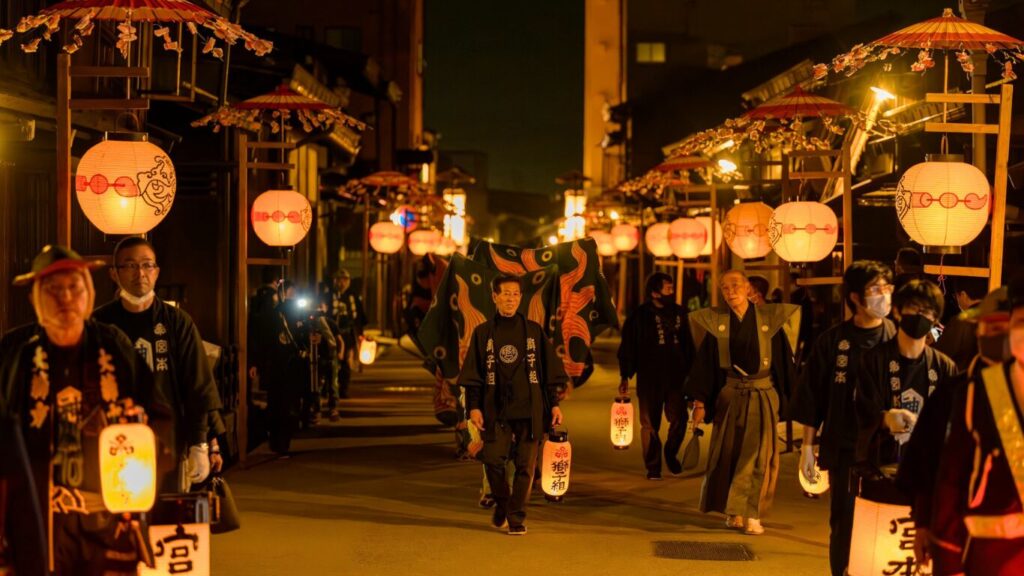
As the Takayama Matsuri only takes place for a few days each year, travellers hoping to experience an authentic Japanese festival should consider planning their visit around these dates.
If you miss the festival period, the Takayama Festival Float Exhibition Hall near Sakurayama Hachimangu Shrine offers a great alternative. Here, visitors can admire the festival floats up close and learn more about the history, craftsmanship, and traditions behind one of Japan’s most celebrated festivals.
After strolling through the streets of Hida Takayama, continue along the popular Takayama to Shirakawa-go route, a favourite segment of many Gifu tours, where some of Japan’s best-preserved traditional farmhouses can still be found today.
Planning to continue your trip through Gifu? Japan Navi Journey can help you create a personalised itinerary tailored to your interests and travel style. From luxury private transport connecting Nagoya, Gero Onsen, Hida Takayama, and Shirakawa-go to carefully selected accommodation and exclusive local experiences, we’ll take care of every detail so you can enjoy a seamless and stress-free trip.
As you continue north, the scenery gradually changes from historic merchant streets to the peaceful countryside of Shirakawa-go, where one of Japan’s most picturesque UNESCO World Heritage villages awaits.
Get in touch with us to start planning your bespoke Gifu getaway, and read on to find out more about the culture and rural landscapes that make Shirakawa-go one of Japan’s best-preserved traditional villages.
Soaking in the Authentic Rural Landscapes of Shirakawa-go
A Journey Into Shirakawa-go’s Rural Heritage
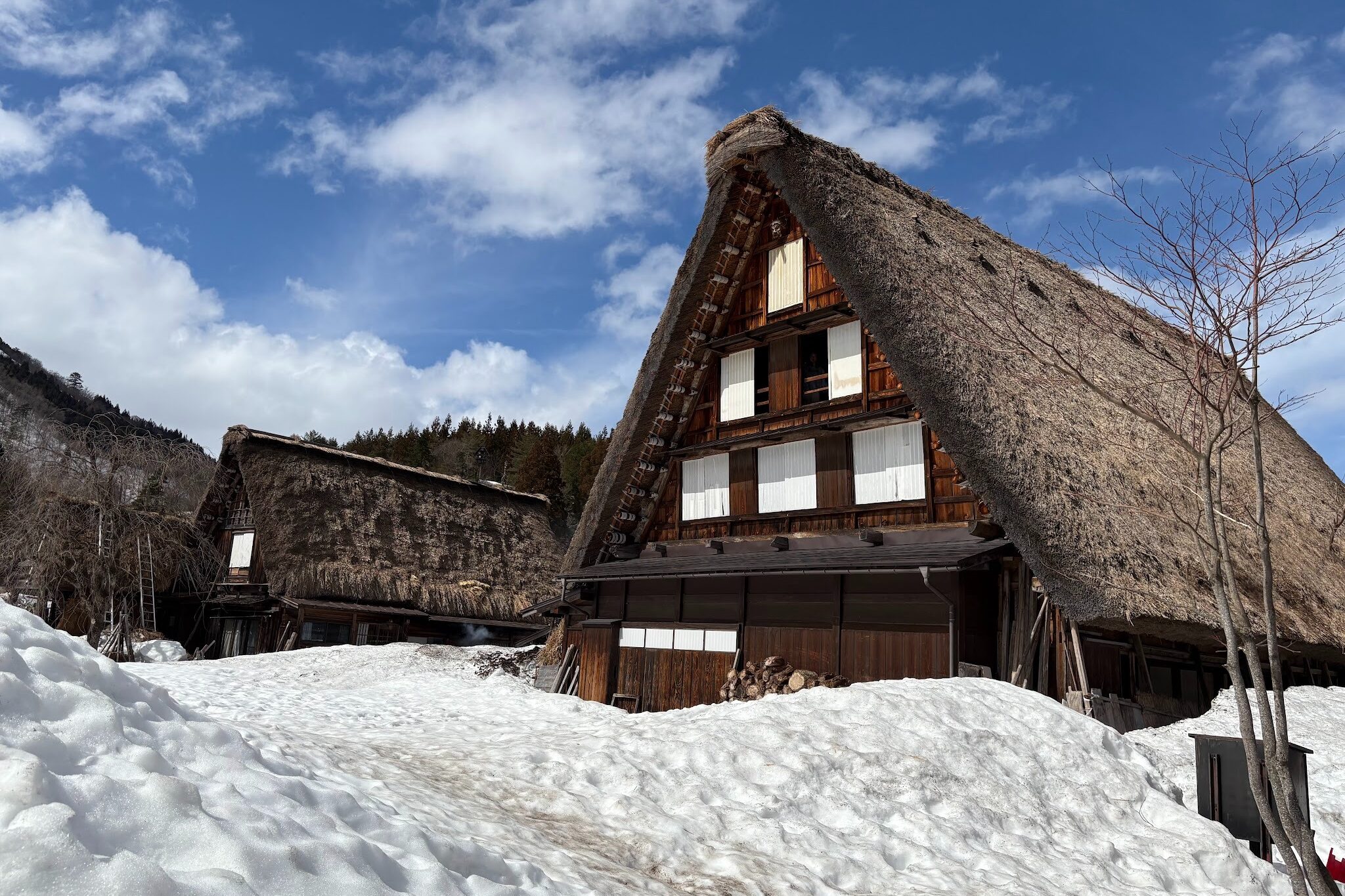
Located in the mountains of Gifu Prefecture along the Shogawa River, Shirakawa-go is one of Japan’s most famous rural villages. The area is also known as one of Japan’s leading heavy snowfall regions, with deep winter snow once making travel and communication with neighbouring communities difficult. These conditions helped shape the village’s unique architecture, customs, and way of life that can still be seen today.
Recognised as an Important Preservation District for Groups of Traditional Buildings in 1976, Shirakawa-go later gained international recognition in 1995 when it was designated as a UNESCO World Heritage Site together with the nearby Gokayama villages in Toyama Prefecture. Today, Shirakawa-go remains one of the best places in Japan to experience the traditions, culture, and lifestyle of a historic mountain village.
The village is best known for its distinctive gassho-zukuri farmhouses. The name “gassho-zukuri” refers to the steeply sloping roofs, where wooden beams are arranged in a mountain-like shape that is often said to resemble two hands joined together in prayer. Built to withstand the region’s heavy snowfall, these traditional houses demonstrate how generations of villagers adapted their homes to the challenging climate of the Japanese Alps.
A Living Village Built on the Spirit of Yui
What makes Shirakawa-go particularly special is that it is not an open-air museum or a recreated heritage attraction. It remains a living village where locals continue to live and carry on their daily routines. At the heart of village life is the spirit of Yui, a long-standing tradition of mutual assistance and cooperation within the community.
For centuries, families living in this remote mountain region relied on one another, particularly during harsh winters when heavy snowfall could isolate the village. This culture of helping one another became an important part of everyday life and continues to be passed down today.
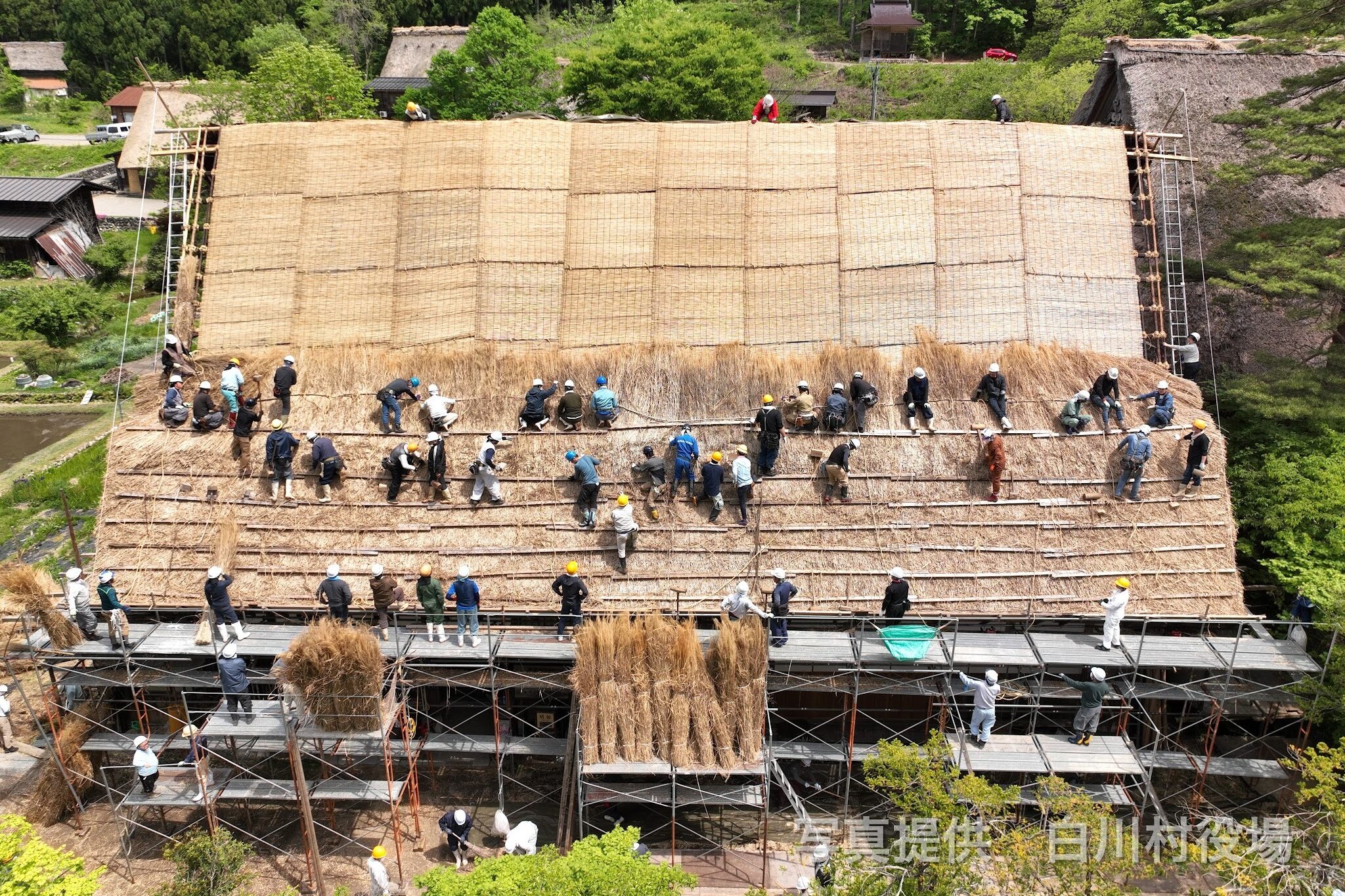
One of the best examples of Yui can be seen during the re-thatching of the gassho-zukuri roofs. Replacing these massive thatched roofs requires the participation of many villagers working together by hand. Beyond maintaining the buildings themselves, these communal efforts help preserve traditional skills and ensure that knowledge is passed down to future generations.
Homes, rice fields, shrines, and community spaces continue to sit alongside one another, giving visitors a glimpse into everyday life in the village.
A Glimpse Into Traditional Life in Shirakawa-go
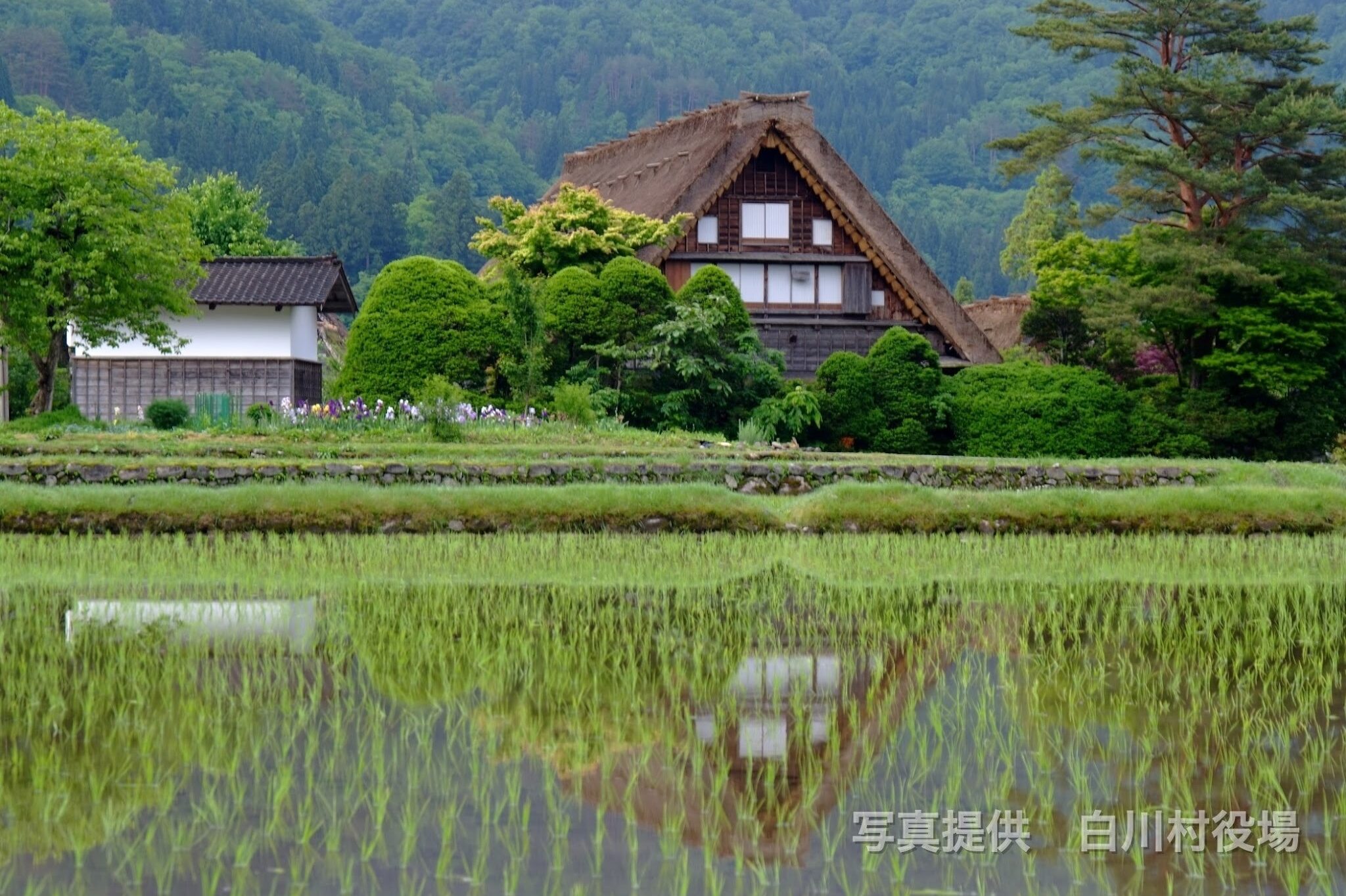
For a closer look at the daily lives of Shirakawa-go’s residents, a visit to the Wada House is highly recommended.
The Wada House is the largest gassho-zukuri farmhouse within the World Heritage area and the only residential house in Ogimachi Village designated as a National Important Cultural Property. During the Edo period, the Wada family played an important role in the village as local leaders and guards, while also being involved in the raw silk and gunpowder industries that contributed to Shirakawa-go’s economy.
Today, parts of the house are still occupied by members of the Wada family, while selected areas are open to visitors. Inside, you can explore traditional living spaces, view historical clothing and sericulture tools, and learn more about the family’s history through exhibits and audio guides.
While exploring the interior, be sure to look up at the enormous wooden framework supporting the roof. Built using traditional techniques and carefully fitted timber components without the use of nails, the structure has successfully withstood generations of heavy snowfall and changing seasons.
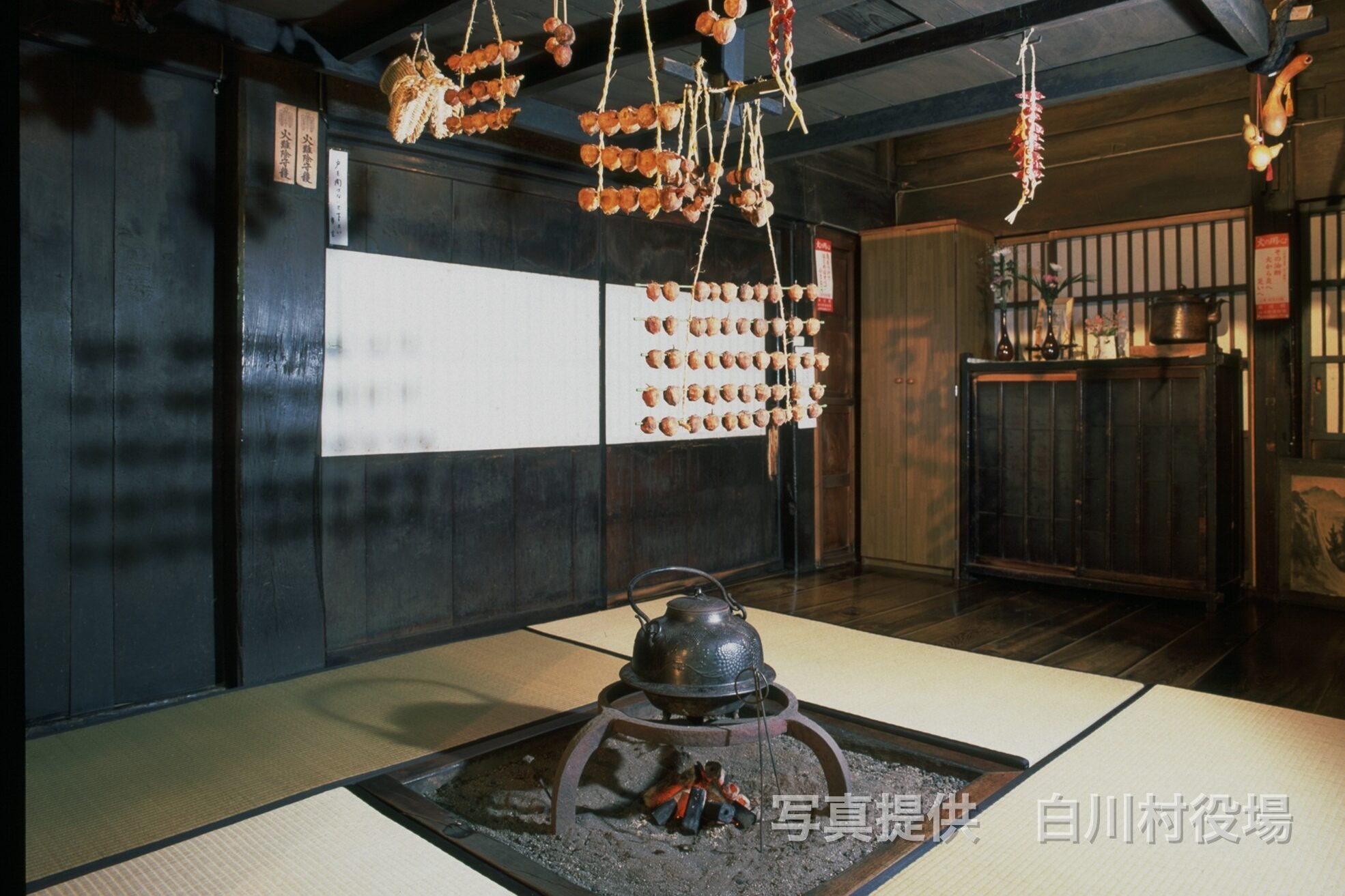
One of the highlights of exploring preserved gassho-zukuri homes, such as the Wada House or the nearby Nagase House, is seeing the traditional irori (sunken hearth). Once used for cooking, heating, and gathering with family, the hearth remains an important feature of traditional Japanese homes. Together with the scent of aged timber and the traditional interior, it provides a glimpse into daily life in Shirakawa-go centuries ago.
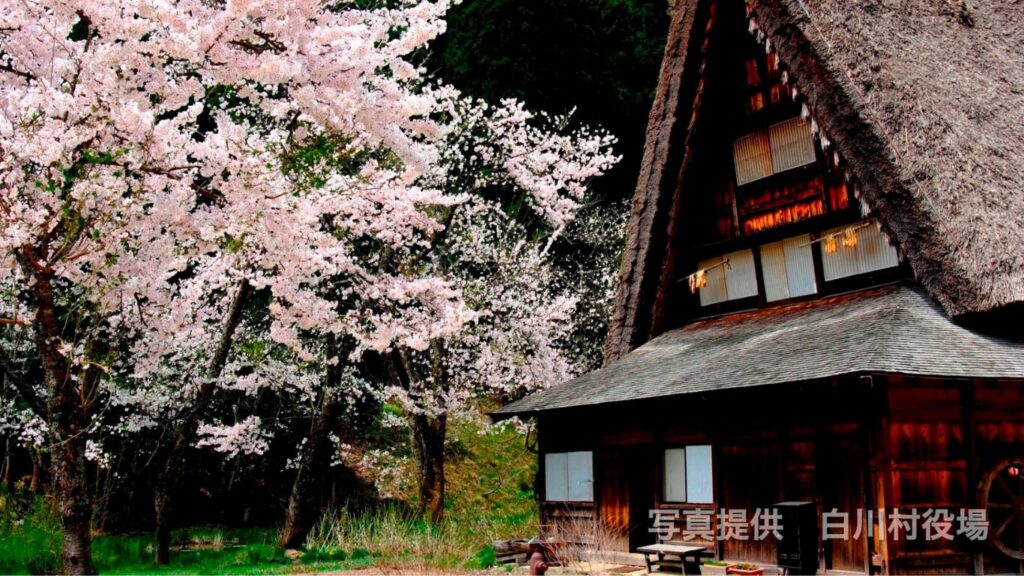
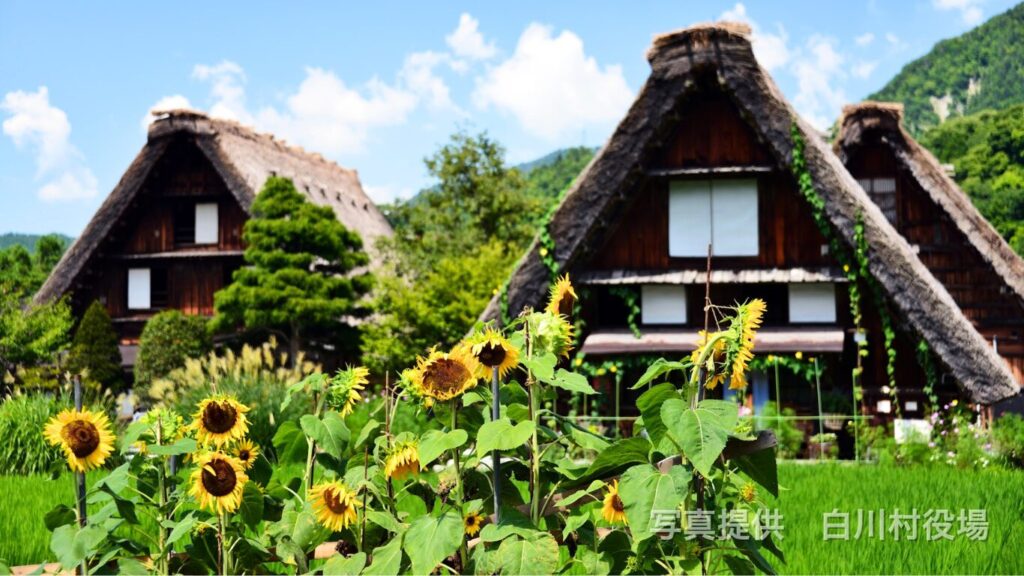
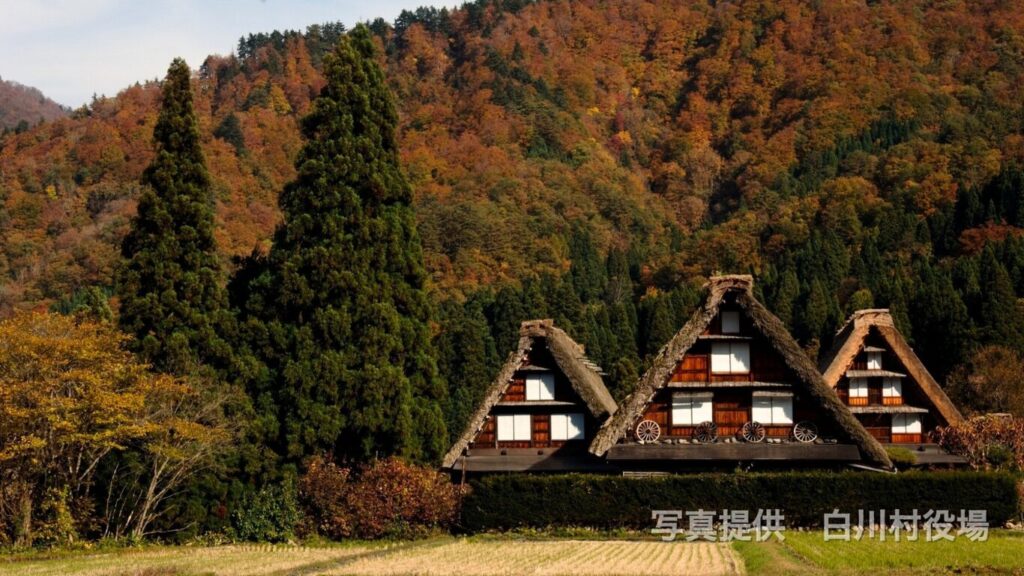
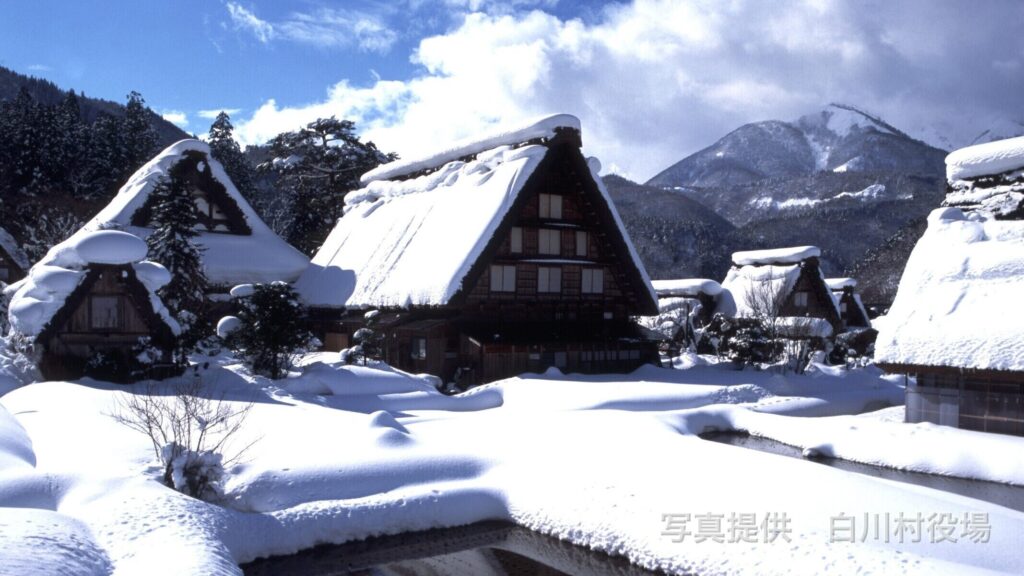
Whether covered in snow during winter, framed by cherry blossoms in spring, surrounded by fresh greenery in summer, or coloured by colourful autumn foliage, Shirakawa-go offers a different experience in every season. More importantly, it remains one of the few places where visitors can witness a traditional way of life that continues to be preserved and passed down through generations.
Continue Your Central Japan Adventure Beyond Gifu
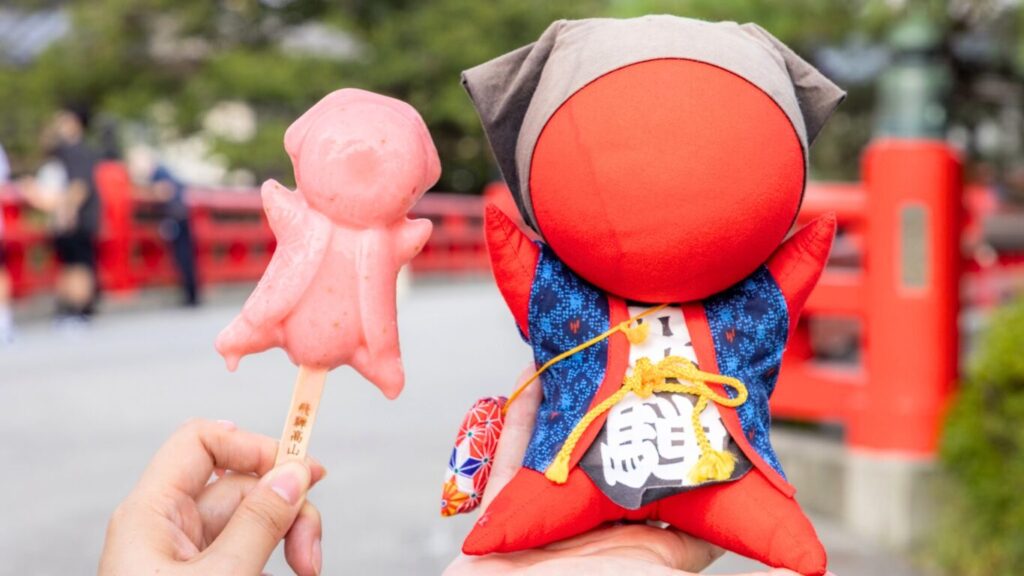
From hot springs and historic towns to centuries-old villages, Gifu showcases some of the best experiences Central Japan has to offer. If you’re looking to extend your travels, neighbouring regions have plenty of rewarding destinations waiting.
From Shirakawa-go, you can continue on to Kanazawa, where beautifully preserved samurai and geisha districts, traditional crafts, and elegant gardens offer another glimpse into old Japan. Alternatively, head to Nagano, a region known for its magnificent mountain scenery, historic temples, hot springs, and seasonal outdoor experiences throughout the year.
With convenient access via Chubu Centrair International Airport (Centrair) and Nagoya, this route offers an excellent way to experience multiple sides of Japan in a single tour. As many of these destinations are located within a few hours of one another, travelling by private car provides a comfortable and convenient way to explore the region. It allows greater flexibility to travel at your own pace while enjoying the changing scenery between each destination.
Turn This Sample Itinerary Into Your Own Journey
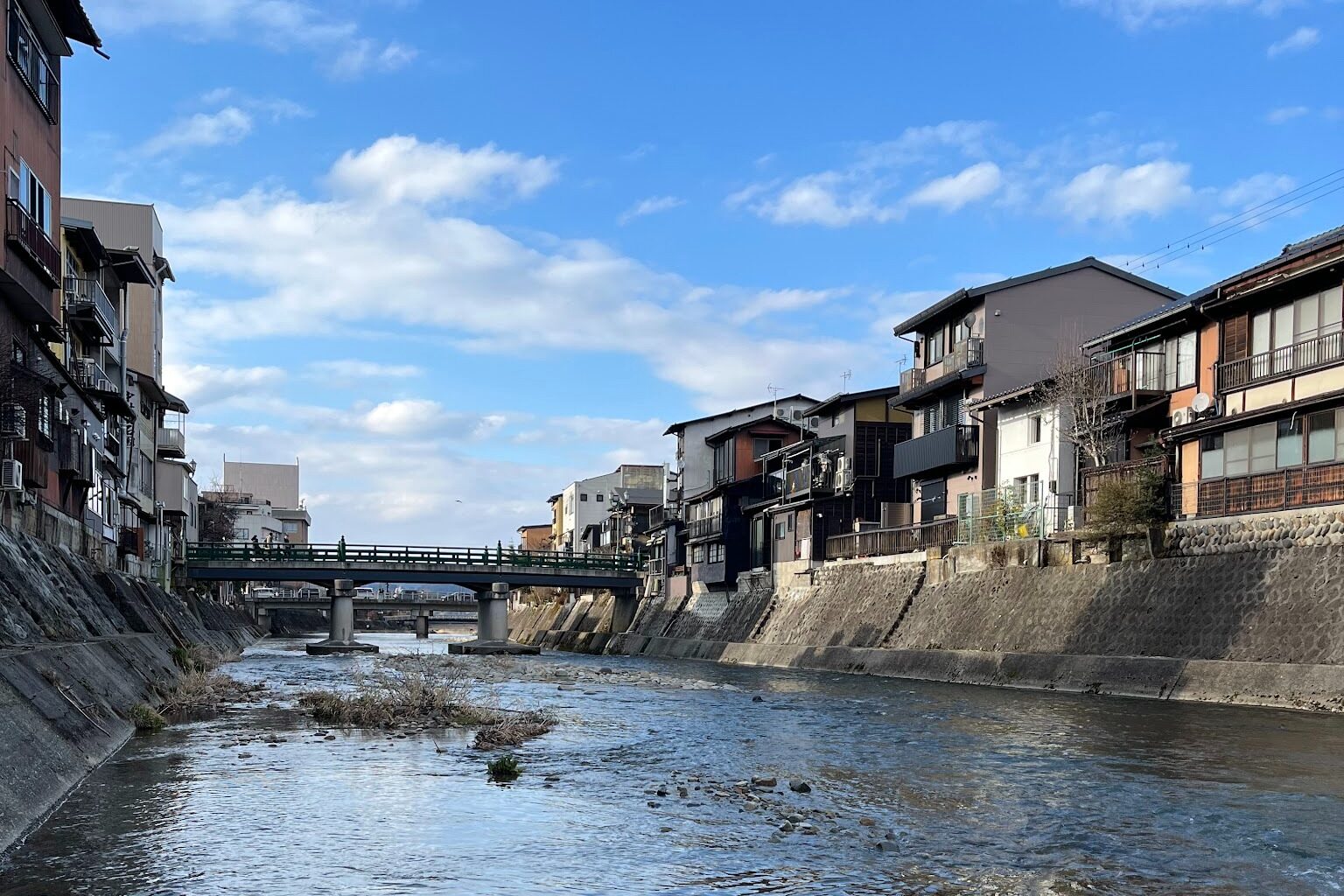
The Gifu itinerary featured in this guide is just one example of what a journey through Central Japan can look like. Whether you are interested in relaxing at Gero Onsen, exploring the historic streets of Hida Takayama, discovering the traditional village of Shirakawa-go, or combining these destinations with places such as Kanazawa and Nagano, every trip can be tailored to suit your interests, travel style, and preferred pace.
At Japan Navi Journey, we specialise in creating fully customised Japan tours and travel experiences. From transportation and accommodation to local experiences and professional guides, our team can help design an itinerary tailored specifically to your needs.
To see the level of detail and care that goes into our bespoke travel planning, we invite you to explore our other featured sample itineraries.
Ready to experience Gifu for yourself? Whether you’re looking for a private Gifu tour, a customised Central Japan itinerary, or a longer journey across Japan, our team is here to help. Get in touch with us!
The next time you are in the Land of the Rising Sun, don’t just stick to the usual favourites. Take some time to explore places outside the main cities. You might just discover something you did not expect. Check out our travel guides for more inspiration.