Why Nagoya, Japan Is Worth Exploring: Must-Visit Places and Local Food to Try
-
Aichi
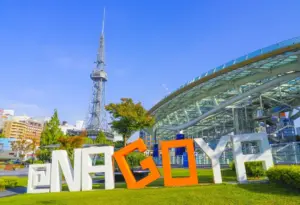
When people plan a trip to Japan, cities like Kyoto and Osaka usually take center stage. Sitting right between them is Nagoya, Japan, the capital of Aichi Prefecture, a city many pass through, whether after arriving at Chubu Centrair International Airport or while travelling between Tokyo and Osaka. Here’s why Nagoya is more than just a stop along the way.
The city is closely tied to Japan’s samurai heritage, with landmarks such as Nagoya Castle and Atsuta Jingu Shrine reflecting the spirit of that era. In fact, Aichi Prefecture is home to one of the largest concentrations of shrines and temples in Japan, making it a great place to experience the country’s history and culture. So if you are a history buff or simply curious to learn more about Japan’s past, Nagoya is definitely a city worth adding to your travel list.
Nagoya is also known for helping shape Japan’s modern manufacturing industry. This is where global companies like Toyota were born, and you can learn more about their origins at the Toyota Commemorative Museum of Industry and Technology.
And of course, no trip to Nagoya would be complete without trying some of its well-known local specialties. From dishes like miso katsu and hitsumabushi (grilled eel rice) to local snacks and street food, the city has plenty to offer foodies.
Here’s why Nagoya deserves more than just a quick stop, and the places you should not miss while you’re here. You will also find options for private, customised tours later in this guide to help you plan your Nagoya trip.
Exploring Nagoya’s Samurai Heritage and Cultural Landmarks
Nagoya played an important role during Japan’s Sengoku period (Warring States period), a time when powerful warlords fought for control of the country. Aichi Prefecture is known as the birthplace of three of Japan’s most influential figures, Oda Nobunaga, Toyotomi Hideyoshi, and Tokugawa Ieyasu, whose actions played a major role in shaping the nation’s history.
During this period, Nagoya grew into an important political and cultural centre. Under the rule of Tokugawa Ieyasu, Nagoya Castle and its castle town were carefully planned and built, laying the foundation for the modern city it is today. Beyond its samurai legacy, Nagoya is also home to cultural sites, traditional performing arts, and historic streets that reflect the city’s heritage.
Here are five places where you can explore Nagoya’s history and cultural landmarks.
Nagoya Castle
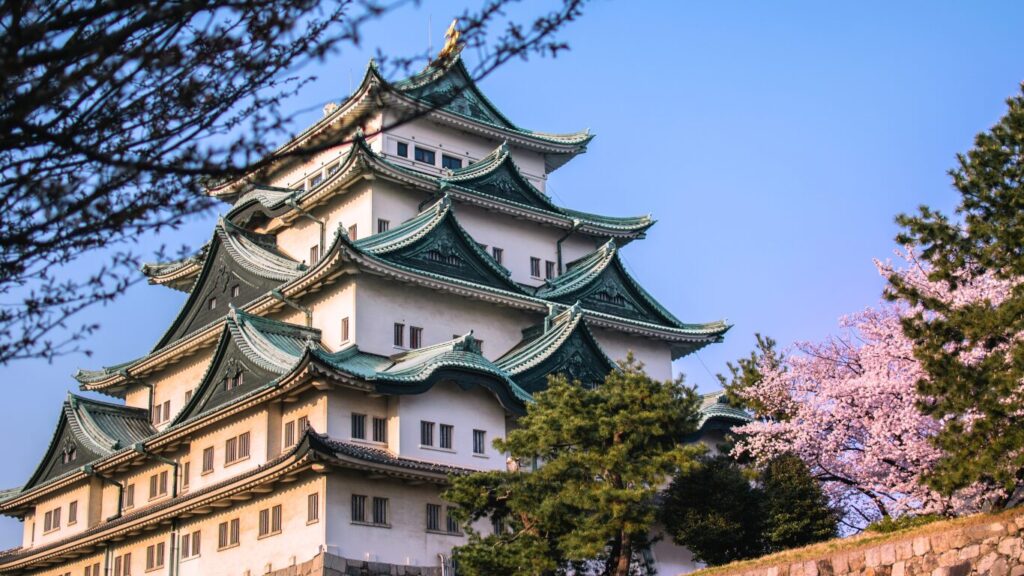
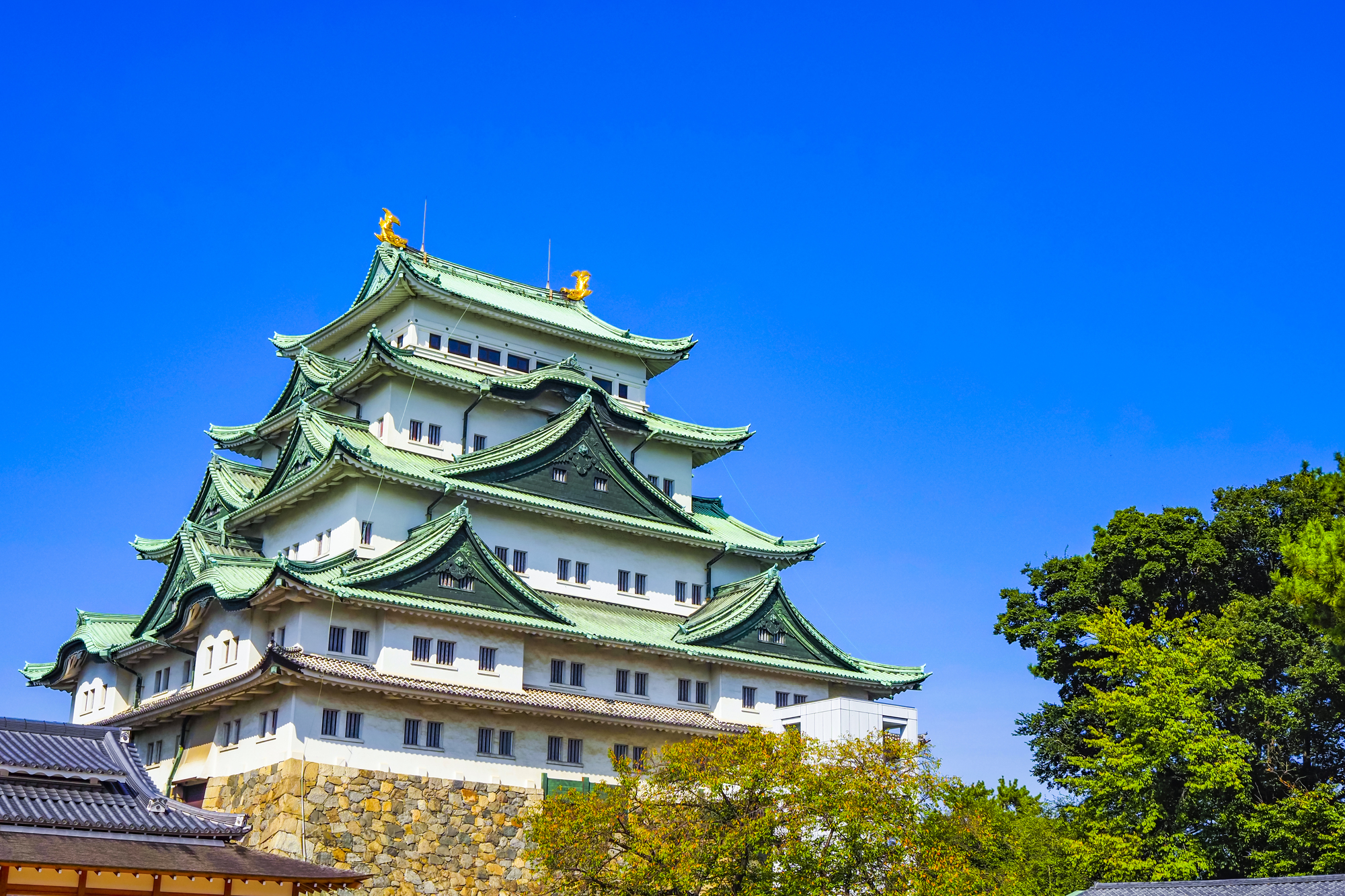
Built in the early 17th century, Nagoya Castle is one of the city’s most recognisable landmarks and is considered one of Japan’s three most famous castles, making it a must-see while you are here.
One thing you will notice right away is the pair of golden shachihoko sitting on top of the castle tower. These mythical fish-like creatures are believed to protect the castle from fire and have become an iconic symbol of Nagoya.
Although the original castle tower was destroyed during air raids in World War II, the building was rebuilt in 1959. Step inside the main tower and you will find exhibitions showcasing the castle’s history, including models of the original structure and historical displays that give you a glimpse into life during the samurai era.
Nagoya Castle is popular all year round. Travellers often come here during cherry blossom season, autumn foliage viewing, and summer festivals held around the castle. If you happen to visit on the weekend, you may also spot samurai performers putting on live performances.
After exploring the castle, consider taking a short walk to nearby Meijo Park. It is a perfect place for a relaxing stroll or a picnic, and you can even enjoy a nice view of Nagoya Castle from the park.
Atsuta Jingu Shrine
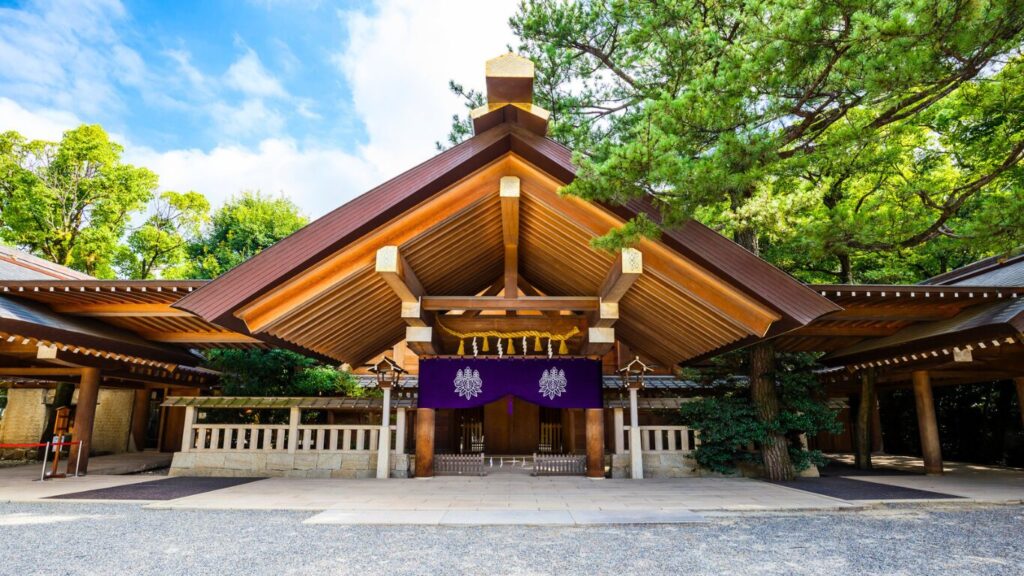
Another place worth adding to your itinerary is Atsuta Jingu Shrine. With a history of more than 1,900 years, it is one of the most important Shinto shrines (traditional Japanese religion shrine) in Japan.
The shrine is well known for housing the Kusanagi-no-Tsurugi, a sacred sword that forms part of Japan’s Three Sacred Treasures. Although the sword itself is never shown to the public, its presence makes Atsuta Jingu Shrine one of the country’s most respected religious landmarks.
The shrine also offers a glimpse into Japan’s samurai past. In 1560, the warlord Oda Nobunaga prayed here for victory before heading into the famous Battle of Okehazama. After winning the battle, he returned to the shrine in gratitude and donated an earthen wall as an offering. Part of this structure, now known as the Nobunaga Wall, can still be seen today.
History lovers can also geek out at the Atsuta Jingu Treasure Hall and the Kusanagi-kan Museum, where you will find collections of historical artefacts connected to the shrine.
Several smaller shrines can also be found around the shrine grounds. While exploring the shrine, keep an eye out for the Great Camphor Tree, which is believed to be more than 1,000 years old. A white snake is said to live in the tree, and spotting it is believed to bring good fortune.
Today, both locals and visitors come to Atsuta Jingu Shrine to pray for blessings such as good health, success, and protection.
Nagoya Noh Theater
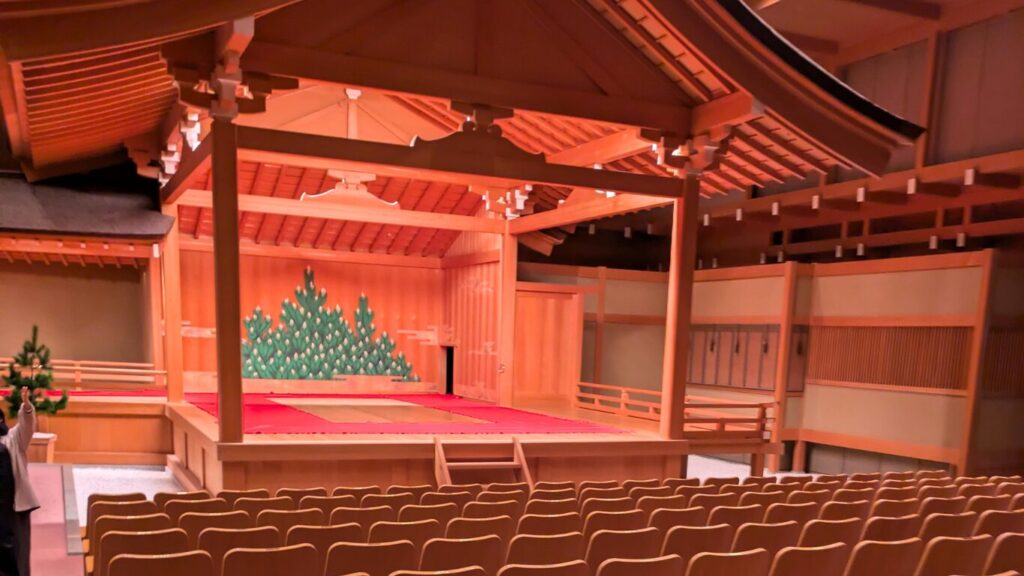
Having taken a look into Japan’s samurai past, it is time to dive into the world of traditional performing arts at Nagoya Noh Theatre. Designed in an elegant Japanese architectural style, the venue is home to one of the largest indoor Noh stages in Japan.
At the heart of the theatre is a beautifully crafted stage made from Kiso cypress, a type of wood prized in Japan for its durability, natural fragrance, and smooth texture. Here, you can watch classical theatre forms such as Noh and Kyogen. Noh is known for its slow, graceful performances featuring masks, music, and carefully choreographed movements, while Kyogen offers shorter comedic plays that were traditionally performed between Noh acts.
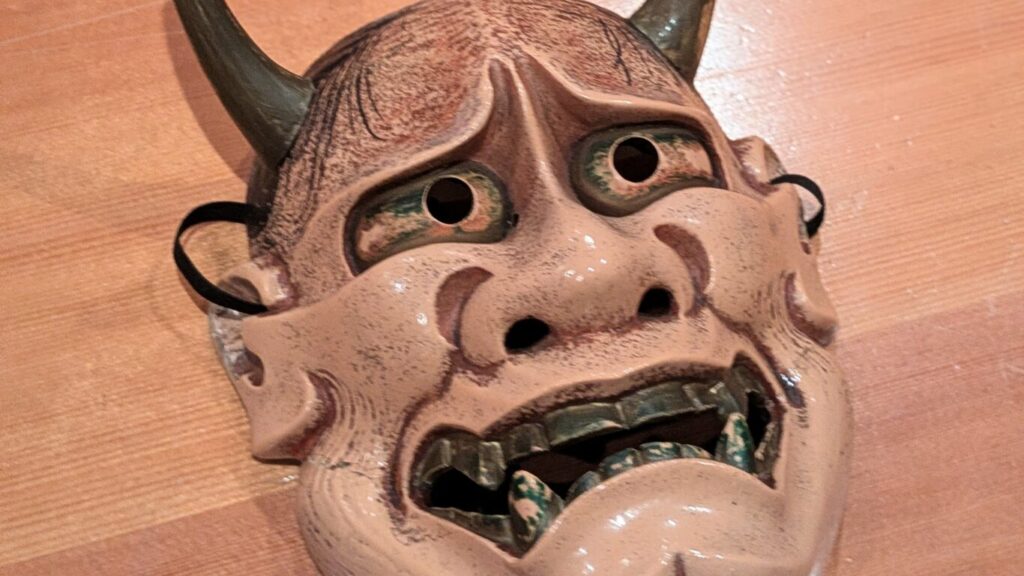
The theatre also features a free exhibition room where you can learn more about the history of Noh, along with stage costumes, masks, and accessories used in performances.
For those curious about Japan’s traditional performing arts, Nagoya Noh Theatre offers a glimpse into one of Japan’s oldest performing arts.
Endoji Shopping Street
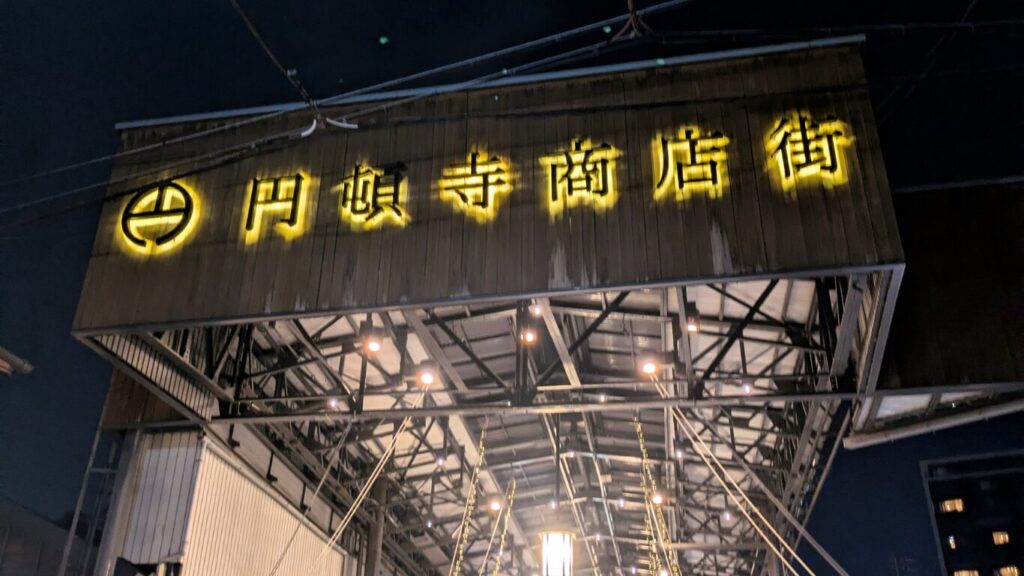
Of course, exploring local shopping streets is part of the experience when you are in Japan. Head over to Endoji Shopping Street, Nagoya’s oldest shopping street that dates all the way back to the Edo period (1603-1868). Tucked away near the historic Shikemichi district, this charming place offers a glimpse of old-school Nagoya. Walking through Endoji feels a little like stepping back in time, with its nostalgic storefronts and local charm. You will find shops selling souvenirs, along with small cafés where you can stop for a break.
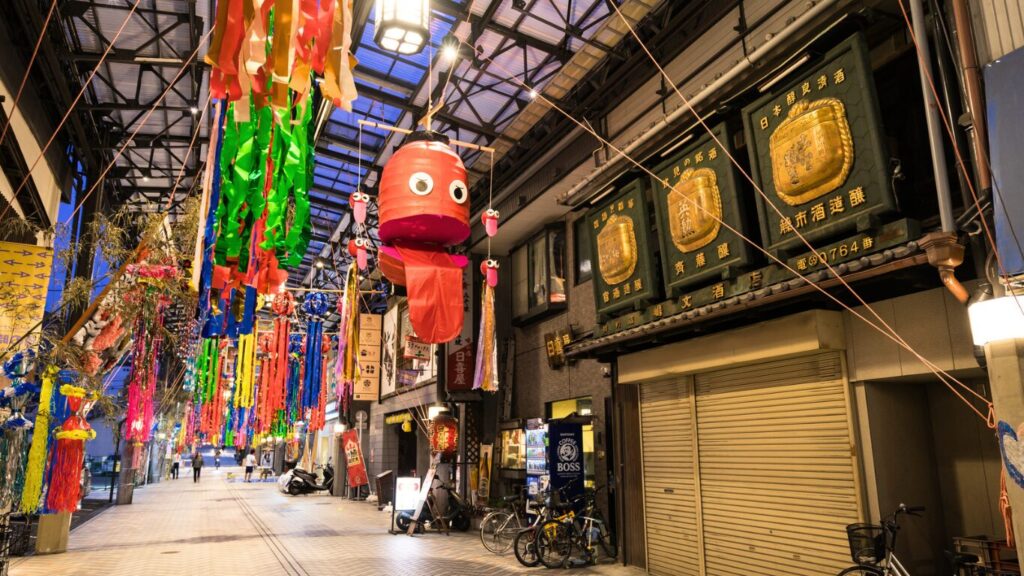
Photo taken during the Tanabata Festival
There are also seasonal festivals held throughout the year. In summer, the Endoji Tanabata Festival (Japanese star festival) fills the street with colourful decorations and lively performances. During autumn, the Endoji Autumn Paris Festival brings together local culture with a touch of European flair, featuring food, art, and music.
Smaller events are also held regularly, including the Endoji Shopping Street Saturday Market held every Saturday, where you can browse handmade goods, antiques, and local street snacks.
If shopping is something you cannot skip when visiting Japan, Endoji Shopping Street is definitely worth a stop. It remains one of the best places to experience a slice of old Nagoya while hunting for souvenirs and local bites.
How Nagoya Became One of Japan’s Centres of Innovation
Nagoya’s reputation for engineering and craftsmanship goes all the way back to the Edo period, when artisans in the region created intricate mechanical puppets known as karakuri dolls. These dolls used carefully designed gears and mechanisms to move during stage performances, showcasing the impressive technical skills of craftsmen at the time.
This spirit of craftsmanship eventually developed into the advanced industries that drive the region today. From automobiles and railway technology to precision-made cookware, Nagoya continues to play an important role in Japan’s manufacturing and technological innovation.
The following places offer a closer look at Nagoya’s culture of innovation and craftsmanship.
Toyota Commemorative Museum of Industry and Technology

Marvel at the story behind one of Japan’s leading companies at the Toyota Commemorative Museum of Industry and Technology. Located in a red-brick factory building from the Taisho era, the museum stands in the very place where the Toyota Group’s story first began.
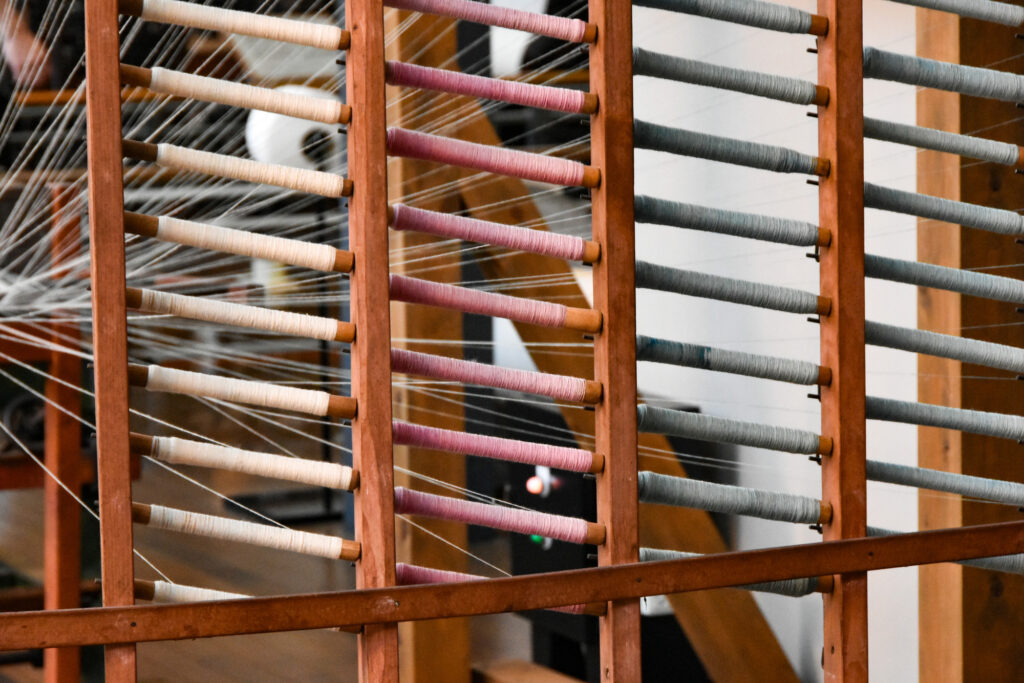
Inside, the museum is divided into two main areas: the Textile Machinery Hall and the Automobile Hall. Together, they show how Toyota grew from a textile machinery manufacturer into one of the world’s leading automotive companies. You will find working displays of vintage machines, along with demonstrations by staff showing how these early technologies once operated.
For a more interactive experience, head to Technoland, where you can try hands-on activities related to textile production and car engineering, including operating a virtual weaving machine and testing driving simulations.
You can also stop by the gift shop to pick up a few souvenirs, or visit the café for a quick pick-me-up.
SCMAGLEV and Railway Park

After riding Japan’s famous Shinkansen (Japanese bullet train), why not learn more about the technology behind it at SCMAGLEV and Railway Park? The museum showcases the development of trains in Japan, from nostalgic steam locomotives to futuristic superconducting maglev trains (high-speed trains using magnetic levitation technology).
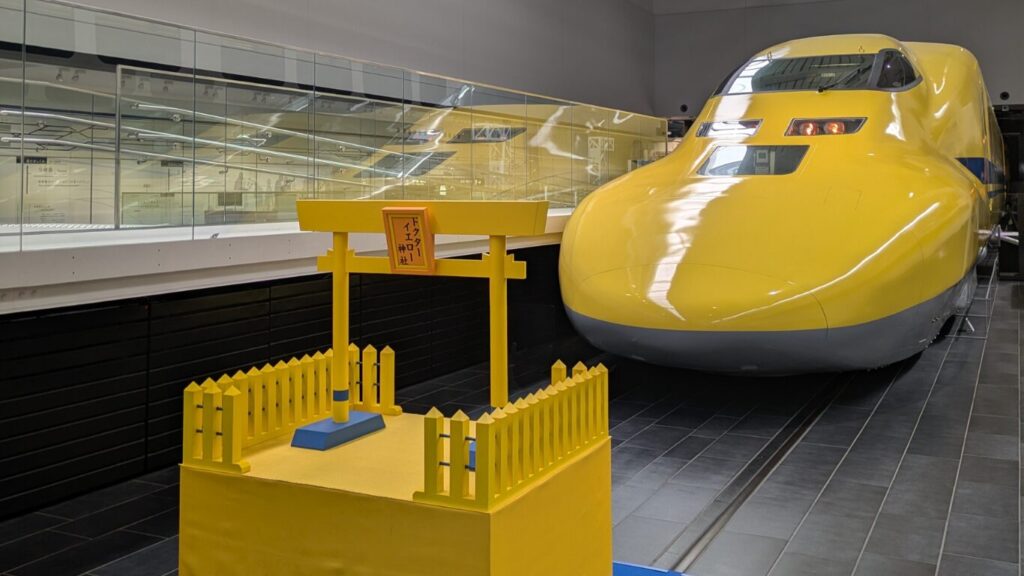
One of the highlights is the impressive line-up of 39 trains on display. These range from classic steam engines from the early days of rail travel to commuter trains and several generations of Shinkansen bullet trains. Some of the trains can even be viewed from the inside, giving you a closer look at how railway design has evolved over the years.
The museum also features the experimental maglev train that once set a world record for train speed. Interactive displays explain how magnetic levitation technology works, while simulators allow you to experience what it feels like to travel at speeds of up to 500 km/h.
Another attraction you should not miss is the massive railway diorama, one of the largest in Japan. Miniature trains run through highly detailed recreations of cities along the Tokaido Shinkansen line, complete with tiny buildings and carefully crafted landscapes.
To end your visit on a fun note, grab a bento and enjoy it inside the displayed N700 series Shinkansen (Japanese bullet train), one of the high-speed trains used on the Tokaido Shinkansen line.
Vermicular Village
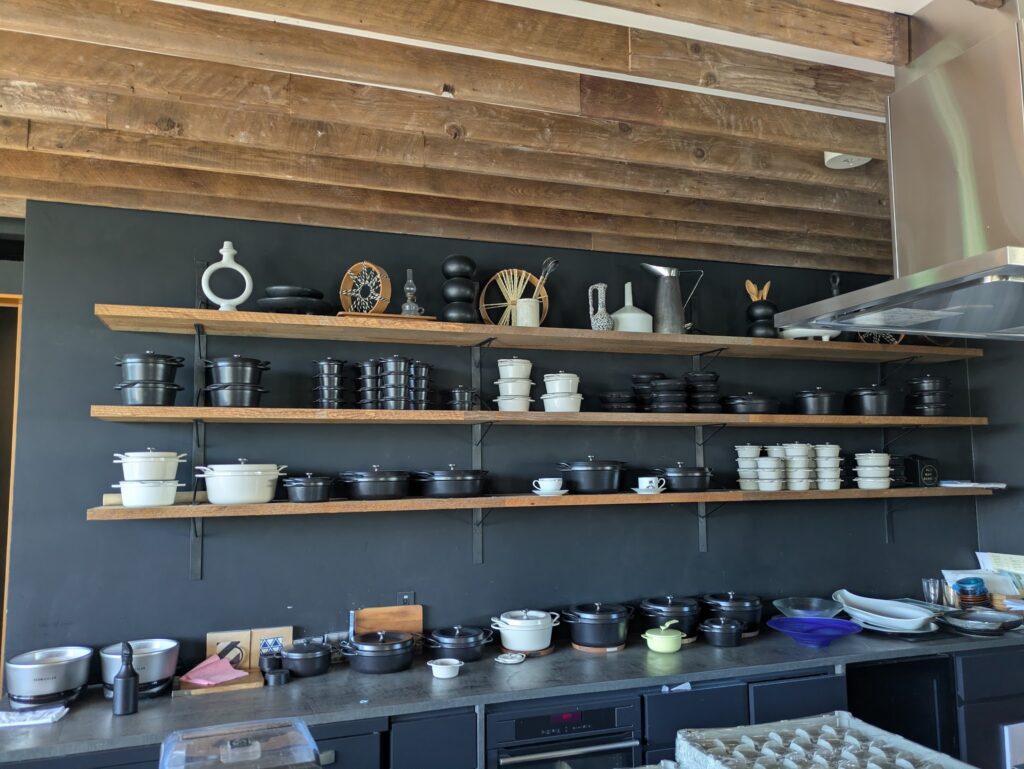
Nagoya’s innovation goes beyond trains and cars. If you enjoy cooking or simply love food, make a stop at Vermicular Village, the birthplace of the well-known Vermicular cast iron enamel pot developed by a long-established manufacturer in Aichi Prefecture.
What makes Vermicular special is its incredibly precise airtight seal, which allows for waterless cooking. This technique helps bring out the natural flavours of ingredients, and it took nearly three years and more than 10,000 prototypes before the pot was perfected. When it was finally released in 2010, it quickly became a hit product, with waiting lists stretching up to 15 months.

Today, you can experience the brand firsthand at Vermicular Village, a lifestyle space designed for visitors to explore Vermicular through food, cooking, and craftsmanship. The complex is divided into two main areas: the DINE AREA and the STUDIO AREA.
The dining area features a restaurant and bakery café overlooking the Nakagawa Canal, where dishes are prepared and served directly in Vermicular pots, giving you a taste of what the cookware can do.
If you prefer a hands-on experience, head to the studio area where you can join cooking classes and try preparing dishes using Vermicular cookware yourself. There is also a flagship shop where you can explore the full range of products and purchase one to bring home.
Local Specialties You Must Try in Nagoya
A trip to Japan is not complete without trying some of its local food. And once you arrive in Nagoya, you will discover that the city has its own unique food scene.
Make sure to check these dishes off your food list when visiting Nagoya.
Soy Sauce Takoyaki
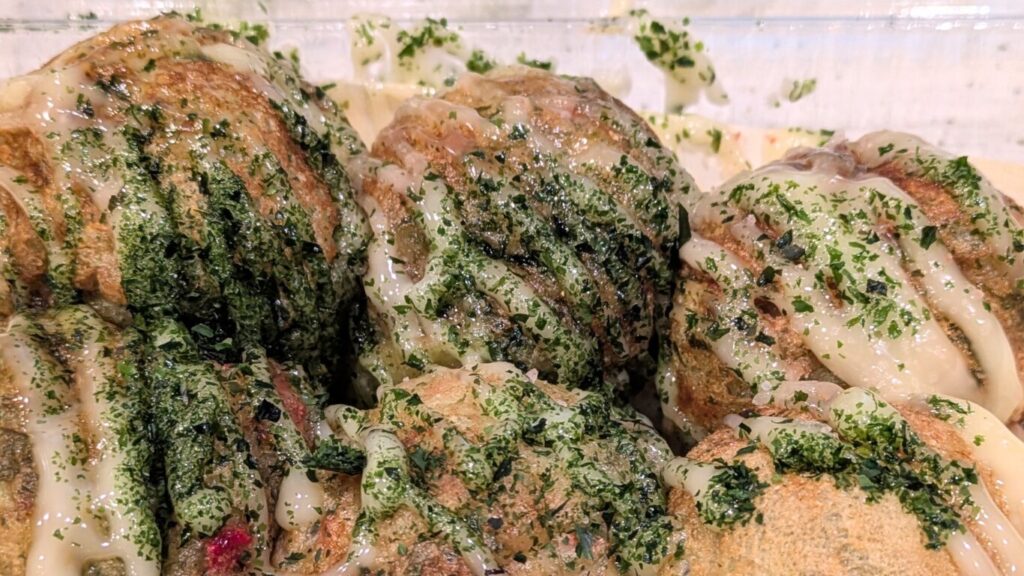
While takoyaki is commonly associated with Osaka, Nagoya offers its own take on this popular street snack. A local twist on the classic, Nagoya-style takoyaki is seasoned with soy sauce instead of the usual sweet sauce and mayonnaise. The soy sauce is added directly to the batter as it cooks, giving the takoyaki a fragrant aroma and savoury flavour. What also sets it apart is the addition of cabbage in the batter, which adds texture to the bite-sized balls. Crispy on the outside and soft on the inside, these small takoyaki are easy to enjoy as a quick snack. You can often find them at neighbourhood stalls, casual eateries, and local food markets around Nagoya.
There is also a hands-on way to experience this dish, with workshops in Nagoya where you can learn how to make takoyaki yourself, from preparing the batter and ingredients to grilling each piece using traditional tools. This is one of the experiences that can be arranged as part of your trip. If you are interested, feel free to get in touch with us to find out more.
Miso Katsu
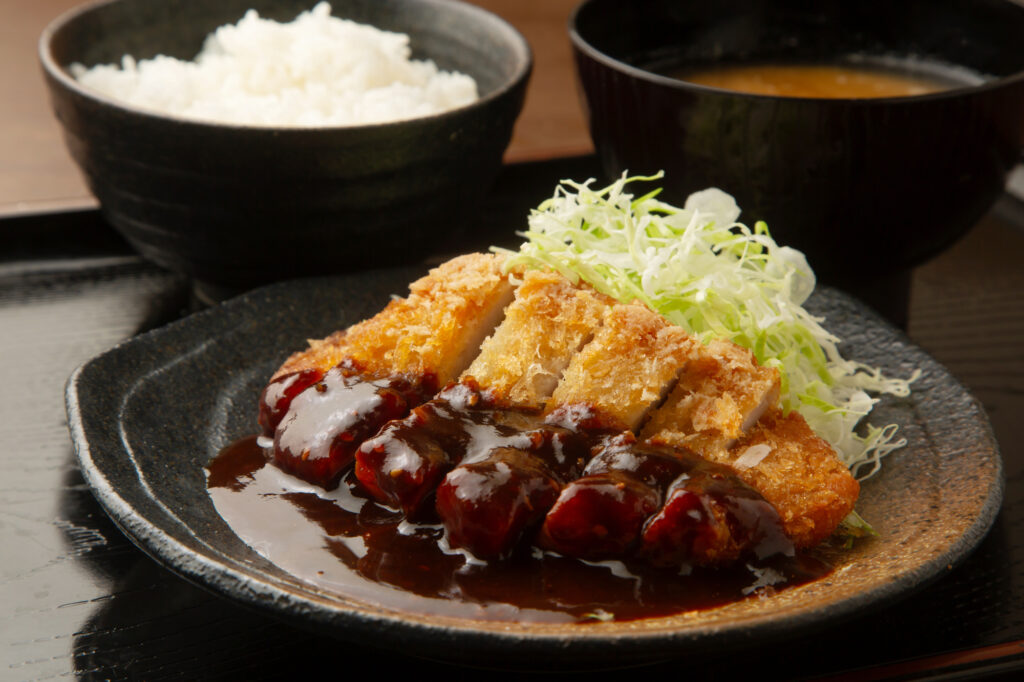
Miso katsu is one of Nagoya’s signature local dishes. It features a deep-fried pork cutlet coated in crispy panko breadcrumbs, served with a rich sauce made from fermented soybean paste known as miso. The pork cutlet is crunchy on the outside and tender on the inside, while the thick miso sauce adds a bold, savoury flavour that is quite different from the sweeter tonkatsu sauce commonly found elsewhere in Japan. The dish is often served with a bowl of rice and shredded cabbage, making it a hearty and satisfying meal. The dish is widely served at tonkatsu restaurants and local eateries.
Hitsumabushi
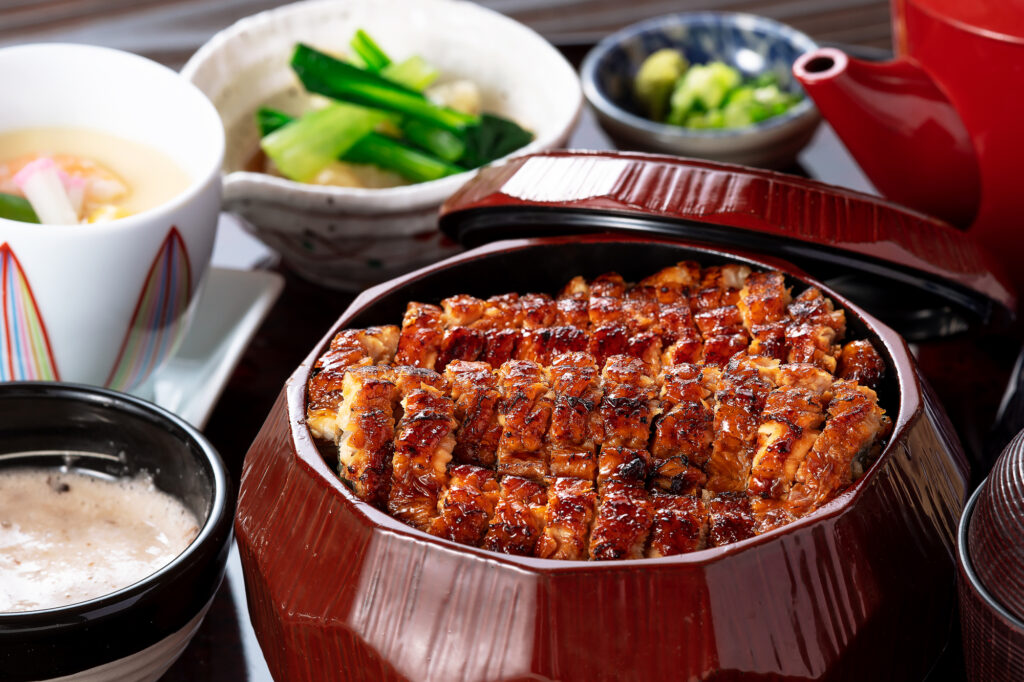
Hitsumabushi is a Nagoya specialty made with grilled eel served over a bowl of rice. The eel is charcoal-grilled until slightly crispy on the outside and brushed with a savoury-sweet soy-based sauce that gives it a rich flavour. What makes this dish unique is the way it is enjoyed in several steps. It is first eaten on its own to savour the grilled eel, then mixed with toppings such as spring onions and wasabi, and finally finished with hot broth poured over the rice to create a comforting tea-like dish. Many eel restaurants and traditional Japanese eateries prepare their own version of this dish.
Tebasaki

Tebasaki are Nagoya-style chicken wings known for their crispy texture and bold seasoning. The wings are deep-fried without batter, then coated in a savoury-sweet sauce made with soy sauce, garlic, and sugar, and finished with a generous sprinkle of black pepper. Unlike typical fried chicken, tebasaki are lighter and crispier, with a flavour that is both rich and slightly peppery. These wings are often enjoyed as a dish to share and pair especially well with drinks. Tebasaki is a must-order when enjoying highballs or beer at izakayas and yakitori restaurants.
Whether it is your first time visiting Nagoya or a return trip, it is a city worth adding to your Japan travel list. With easy access from Tokyo to Nagoya and Osaka to Nagoya, as well as convenient connections via Chubu Centrair International Airport, it is easy to fit into your itinerary. There is plenty to explore here, from its rich history and cultural landmarks to its unique food scene.
If you prefer a quieter side of Nagoya and enjoy coastal views, consider heading to the Chita Peninsula, located just south of the city in Aichi Prefecture. Known for its laid-back seaside setting, the area is especially loved for its fresh seafood and scenic coastal walks. If you are looking for a quieter side of Japan, the Chita Peninsula is a great option. Find out more in our guide here.
Planning Your Trip
If you are planning a trip to Nagoya or other parts of Japan, there are options for private, customised tours to help you make the most of your time here. We offer flexible itineraries tailored to your interests, so you can focus on the places and experiences you want to prioritise.
We can arrange private experiences that are not always easy to book independently, such as exclusive use of venues and curated activities. These can be adapted to suit different travel needs, from family trips to group and corporate travel.
Get in touch with us here to find out more.
The next time you are in the Land of the Rising Sun, don’t just stick to the usual favourites. Take some time to explore places outside the main cities. You might just discover something you did not expect. Check out our travel guides for more inspiration.