Ultimate Guide to Jigokudani Snow Monkey Park: Nagano’s Winter Sanctuary
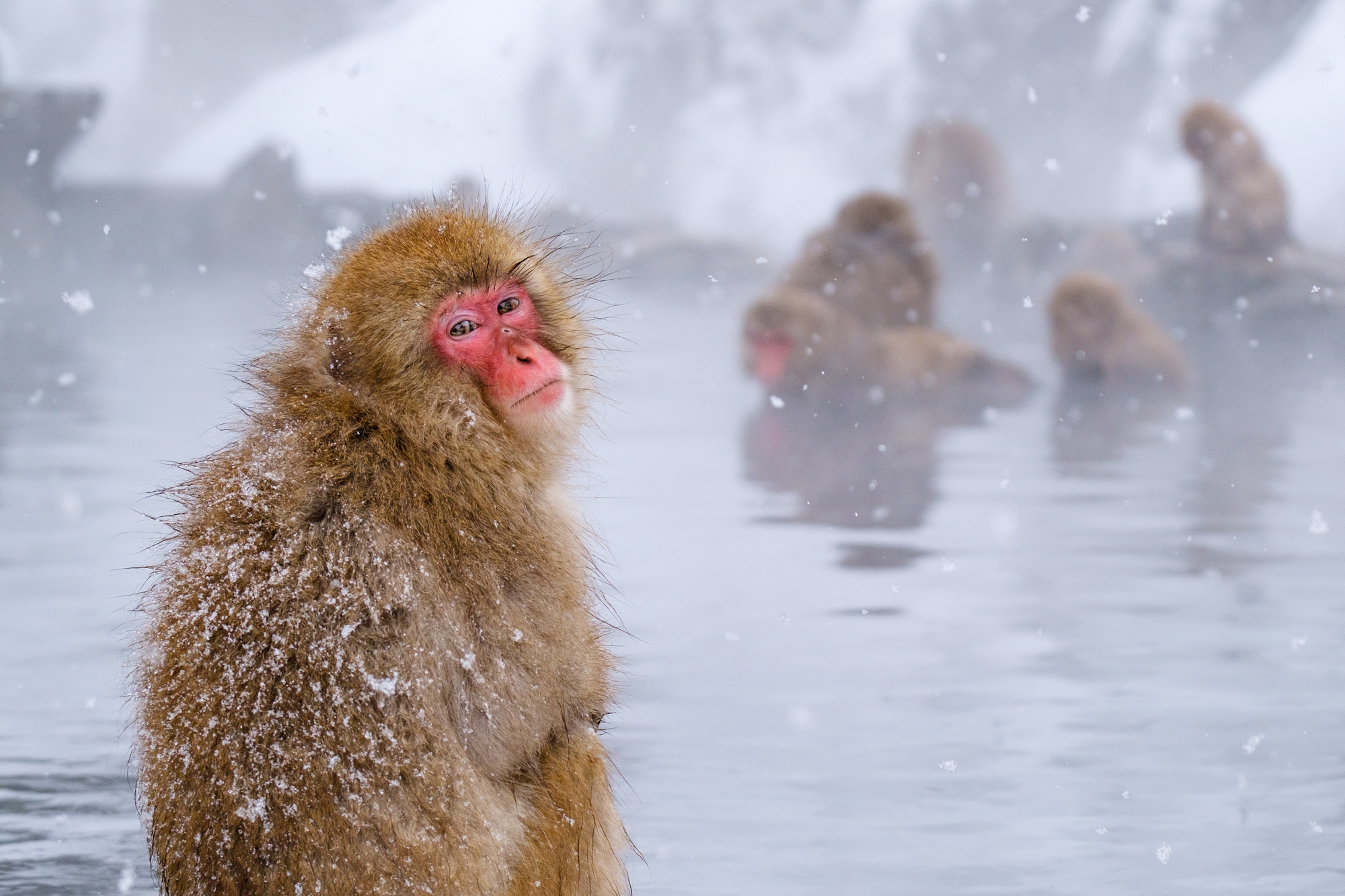
For discerning travelers planning a winter retreat in Japan, Jigokudani Yaen Koen—internationally celebrated as the Snow Monkey Park—stands as an extraordinary highlight. Nestled within the snow-blanketed valleys of Joshinetsu Kogen National Park, this serene sanctuary is home to wild Japanese macaques (Nihonzaru) that have developed a singular adaptation: bathing in natural geothermal hot springs to endure Nagano’s sub-zero alpine winters.
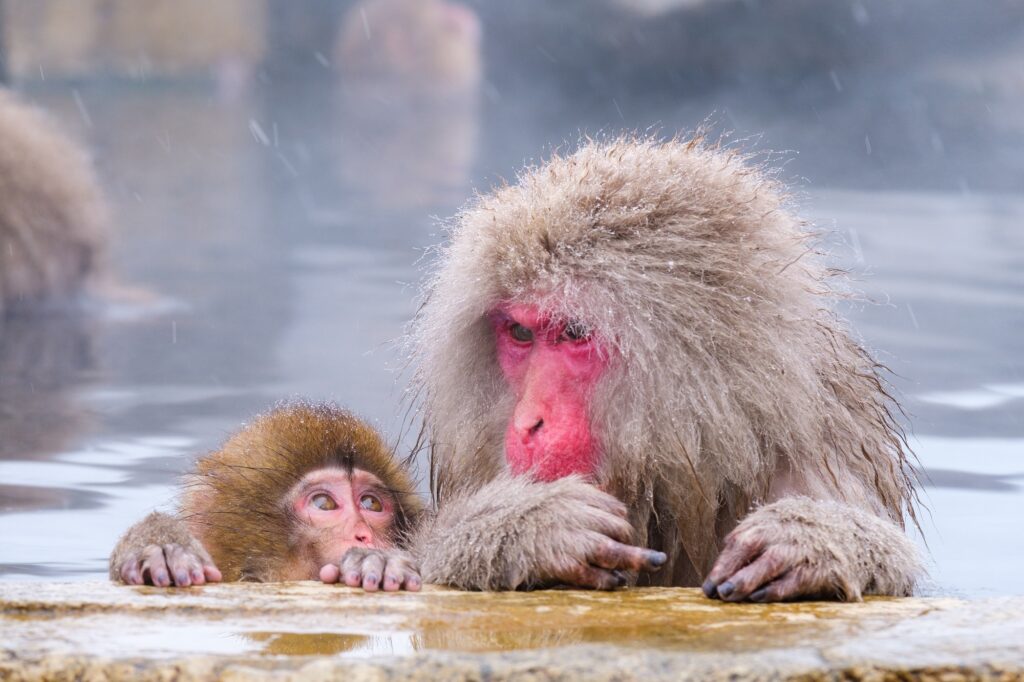
The name “Jigokudani” literally translates to “Hell Valley,” evocative of the sheer precipices, geothermal steam plumes, and untamed terrain that shape the gorge. Yet, contrasting its formidable moniker, the park offers a remarkably tranquil setting where nature and wildlife exist in undisturbed balance. Unlike other primates, these wild macaques seek solace in steaming mineral pools during heavy blizzards. Observing their calm, human-like expressions up close amidst swirling snow is an intimate, heartwarming wildlife encounter found in pristine natural conditions.
However, given its secluded mountain location, coordinating regional trains, infrequent local bus schedules, and snowy transfers presents distinct challenges—particularly for multi-generational families traveling with winter gear and substantial luggage.
Opting for a bespoke private charter vehicle transforms these logistical hurdles into a seamless, luxurious journey. Rather than adhering to rigid transit timetables in the biting cold, a dedicated chauffeur allows you to effortlessly curate a rich day trip around the park: meander through the lantern-lit stone alleys of Shibu Onsen, savor refined chestnut confections and artisan soba in historic Obuse, or enjoy direct door-to-door transfers to Nagano’s premier alpine havens—whether that means heading up to the vast slopes of Shiga Kogen, the world-class powder of Hakuba, or the upscale resort lifestyle of Karuizawa. Traveling by private transport ensures total comfort, complete schedule flexibility, and a tranquil winter expedition tailored to your family’s pace.
Best Time to Visit: Seasonal Rhythms and Wildlife Behavior
While Jigokudani Yaen Koen welcomes visitors year-round, monkey behavior changes drastically with the seasons.
- Winter (December to March) — The Iconic Onsen Season
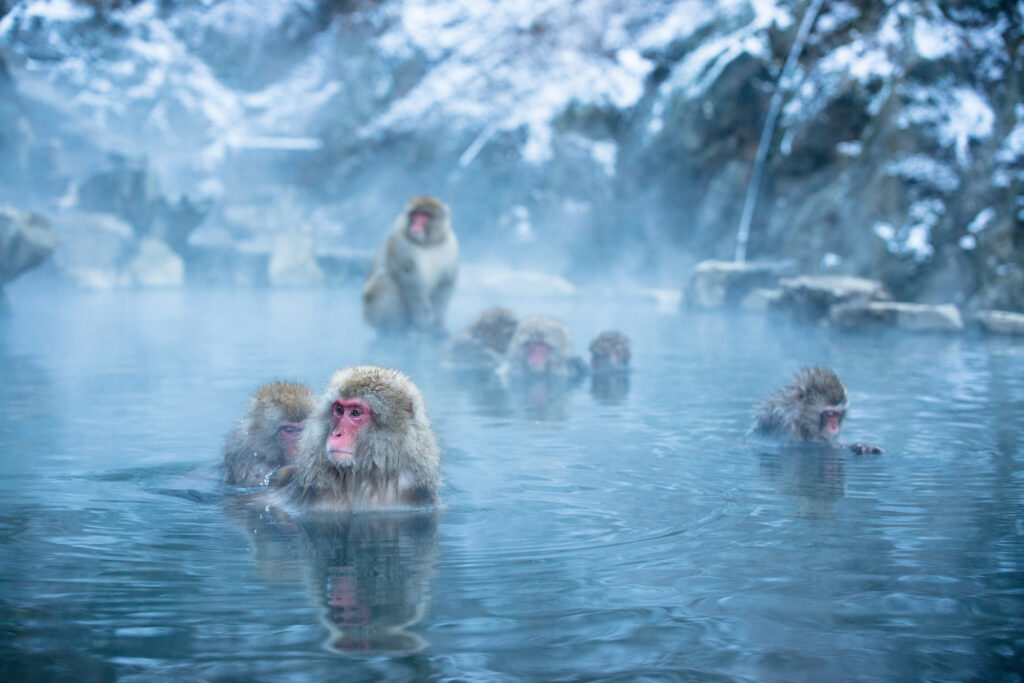
Peak months: January and February. This is the definitive window to witness the world-famous spectacle of wild macaques soaking in steaming thermal pools amidst deep snow.
The Origins of a World-Exclusive Culture:
Jigokudani is recognized globally as the only place where wild primates deliberately bathe in natural hot springs. This remarkable behavior began in the early 1960s when a curious young macaque ventured into the outdoor bath of a nearby traditional inn (Korakukan). Other monkeys soon mirrored the behavior, transforming what started as accidental curiosity into a learned cultural tradition passed down through generations. To maintain hygiene for human bathers, the park constructed a dedicated geothermal pool exclusively for the troop.
Why Don’t They Catch a Chill?
Watching them step out of 40°C thermal water into sub-zero blizzards naturally sparks a question: Won’t they freeze? Remarkably, they do not. Unlike humans, Japanese macaques possess virtually no sweat glands, preventing rapid heat loss through evaporation. Furthermore, their dense winter undercoat is naturally water-resistant; the mineral water only touches their long guard hairs, leaving their skin completely dry. Once out, a vigorous shake instantly sheds the moisture, allowing them to traverse the snow without risking hypothermia.
- Spring (April to June) — Newborn Baby Macaques
As the valley thaws, birth season begins. From late April through May, tiny newborns cling to their mothers and take their first tentative steps. Because temperatures rise, the monkeys rarely enter the hot springs, but observing mothers nursing and infants exploring makes spring delightful for families.
- Summer (July to August) — Verdant Mountain Trails
Summer blankets the gorge in lush alpine greenery. During warmer days, the macaques forage through the woods, groom peacefully in the shade, and occasionally splash along the riverbanks. - Autumn (September to November) — Fall Foliage & Essential Wildlife Advisory
Surrounding peaks display brilliant autumn foliage.
Important Wildlife Note: Autumn brings an abundance of wild nuts, chestnuts, and mountain fruits, coinciding with the monkeys’ annual mating season. Because food is plentiful deep in the mountains, the troops frequently remain foraging high in the wilderness and may arrive at the park very late in the afternoon—or not at all. If visiting in autumn, always consult daily morning condition reports before embarking.
Discover More Nearby Attractions: Historic Towns & Premier Ski Havens
A visit to Jigokudani is far more than a brief wildlife excursion—it serves as the gateway to some of Nagano’s most refined cultural towns and world-renowned alpine playgrounds. Rather than rushing back, extending your stay unlocks an idyllic balance of restorative hot springs, artisan gastronomy, and premier winter sports.
1. Unwind in Nostalgic Hot Spring Villages: Yudanaka & Shibu Onsen
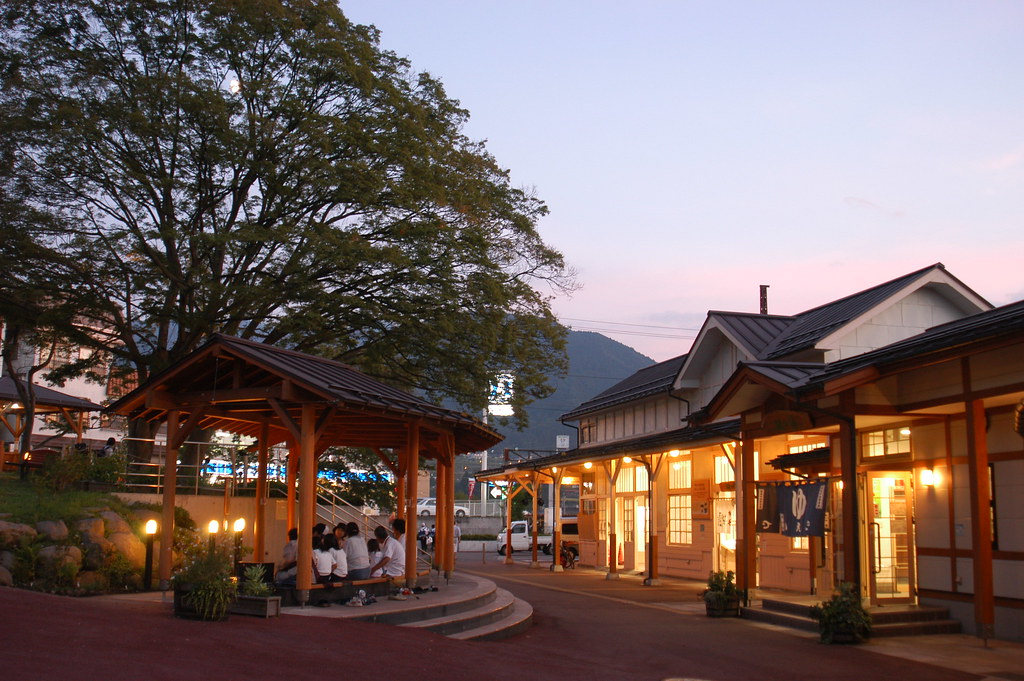
Drive from park trail: Approx. 5–10 minutes
After observing the macaques enjoying their geothermal baths, treat yourself to the same therapeutic waters. The historic sister villages of Yudanaka and Shibu boast over 1,300 years of hot spring heritage.
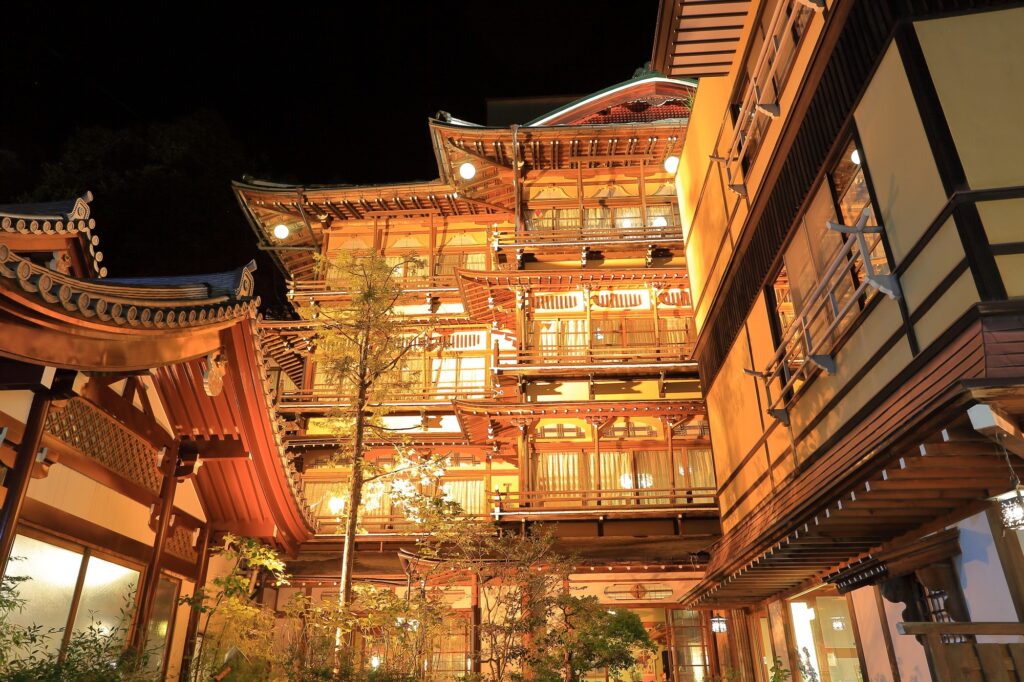
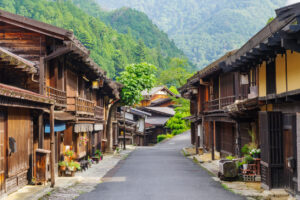
Shibu Onsen feels like stepping back in time, characterized by atmospheric stone-paved lanes, glowing lanterns, and delicate plumes of geothermal steam rising into the brisk alpine air. Slip on a warm haori coat over your ryokan yukata to stroll past preserved timber inns, most notably the iconic Kanaguya—a registered cultural property showcasing master craftsmanship.
Visitors staying overnight receive a master wooden key to access the village’s Kyu-to Meguri—a historic pilgrimage across nine therapeutic public bathhouses. To truly immerse yourself in the culture, you can purchase a traditional tenugui (cotton hand towel) and collect a unique ink stamp at each bathhouse. Completing all nine stamps and visiting the local hilltop shrine is traditionally believed to wash away hardships and bring good fortune, leaving you with a beautifully personalized cultural souvenir.
An Insider Tip for the Baths: Be aware that these public bathhouses are authentically maintained by locals, meaning the natural thermal water runs exceptionally hot (often over 43°C / 109°F). Never jump straight in! It is completely acceptable and expected to use the provided cold water taps to lower the temperature to a comfortable level for you and your children before slowly immersing yourself.
For travelers seeking ultimate privacy, several luxury ryokans here offer spacious suites equipped with private outdoor onsen (rotenburo) and exquisite multi-course kaiseki banquets showcasing local Shinshu beef and seasonal mountain delicacies.
2. Savor Art and Artisan Confections in Historic Obuse
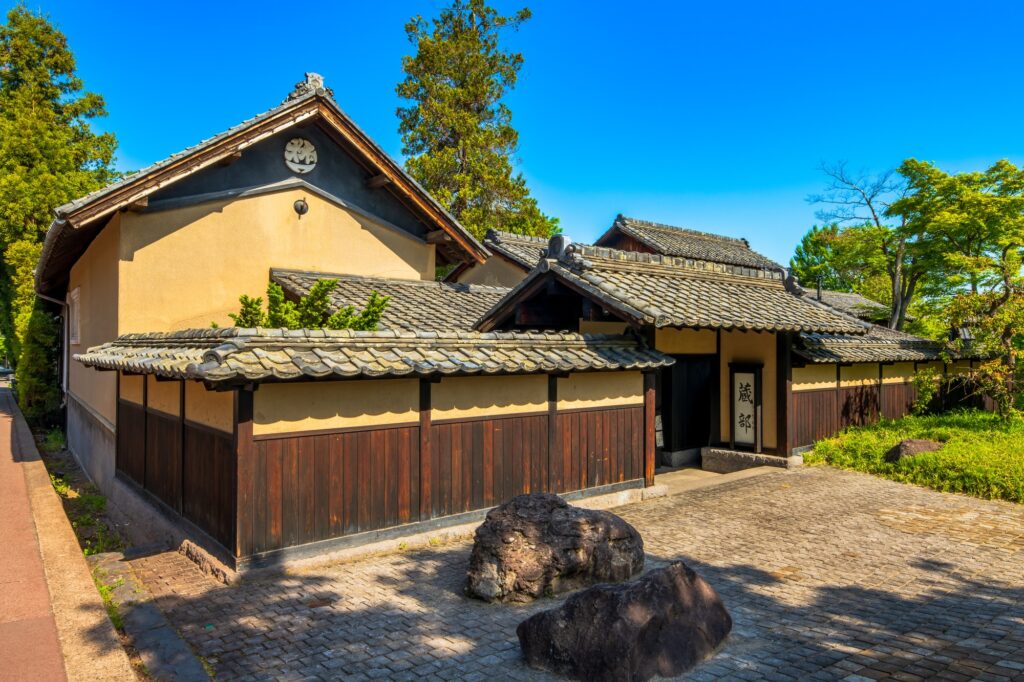
Drive from park trail: Approx. 30–40 minutes
Situated between Nagano City and the monkey sanctuary lies Obuse, an impeccably preserved merchant town celebrated for its whitewashed storehouses (kura), historic sake breweries, and centuries-old chestnut orchards. During the Edo period, Obuse chestnuts were prized delicacies presented as exclusive tributes to the ruling Tokugawa Shoguns. Today, the town remains Japan’s chestnut capital, where visitors can savor authentic Shinshu hand-cut soba followed by freshly spun Mont Blanc pastries made from pure, unadulterated chestnut purée.
Obuse is equally renowned as the cultural haven where Japan’s greatest ukiyo-e woodblock master, Katsushika Hokusai, spent his final productive years under the patronage of a wealthy local merchant. The town’s centerpiece, the Hokusai Museum, houses an extraordinary collection of his late-career brush paintings, while nearby Gansho-in Temple preserves his majestic ceiling masterpiece, the “Phoenix Staring in Eight Directions.” Strolling along Obuse’s “Chestnut Path” (Kuri no Komichi) paved with chestnut-wood blocks offers a charming journey through living art and history.
3. Extend Your Winter Escape: Choose Your Premier Ski Resort Hub
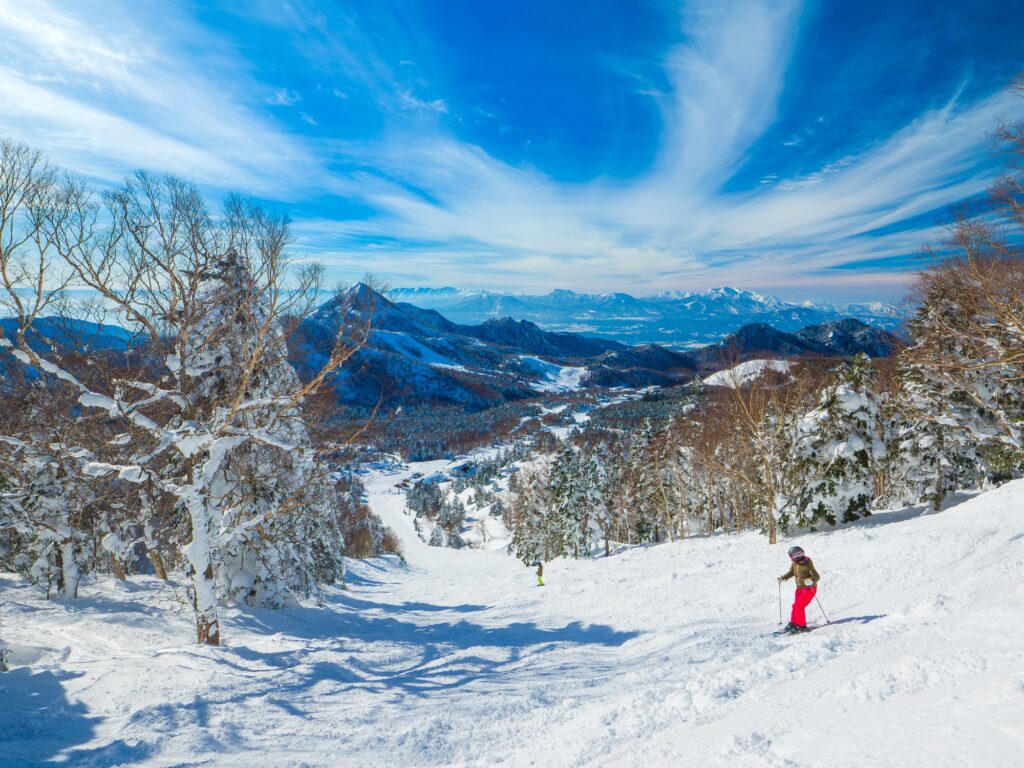
For international travelers, pairing the Snow Monkey Park with world-class skiing is the quintessential Nagano winter itinerary. Depending on your family’s preferences, three premier alpine hubs offer distinct resort lifestyles:
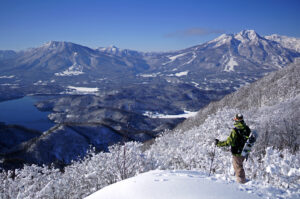
- Shiga Kogen (Closest & Most Expansive): Japan’s largest interconnected ski destination, boasting pristine high-altitude powder and extensive family-friendly terrain. As the ski area sits directly above the valley, it offers the quickest, most seamless transition from monkey viewing to alpine slopes (approx. 30 to 40 minutes by private car).
- Hakuba Valley (World-Class Powder & Vibrant Scene): Renowned globally for deep, dry powder snow and dramatic alpine peaks, Hakuba is ideal for dedicated skiers and snowboarders seeking steep terrain, an international village vibe, and vibrant dining (approx. 1.5 to 2 hours by private car).
- Karuizawa (Luxury Retreat, Shopping & Beginners): Situated along the high-speed Shinkansen corridor, Karuizawa combines gentle, sun-drenched beginner slopes with five-star resort hospitality and luxury retail therapy at the sprawling Prince Shopping Plaza (approx. 2 to 2.5 hours by private car).
Navigating between historic mountain villages and high-altitude ski lodges with winter luggage, ski equipment, and tired children on regional transit can be exhausting. A private charter links these destinations seamlessly, allowing you to move door-to-door without transferring trains or waiting for rural buses in the cold.
Essential Tips for Visiting Jigokudani Snow Monkey Park
To ensure a safe, respectful, and comfortable visit, keep these critical winter advisories and wildlife guidelines in mind:
- The 30-Minute Forest Trail (Footwear is Paramount):
Reaching the monkey sanctuary from the bus stop or parking lot at Kanbayashi Onsen requires an approx. 2-kilometer (around 30-minute) walk each way along an unpaved forest trail. In winter, packed snow quickly turns into slick, icy patches and thick slush. Strollers, wheelchairs, and wheeled luggage cannot navigate this terrain. Wear insulated, waterproof winter boots, and we strongly recommend equipping them with anti-slip crampons (shoe spikes), which can be purchased or rented at the trailhead gift shop. - Strict Primate Sanctuary Etiquette:
The macaques living here are 100% wild animals. Maintain a respectful distance of at least 1 to 2 meters at all times. Never touch, pet, or attempt to feed them, and avoid prolonged direct eye contact, which male monkeys perceive as a challenge or threat. - Hide All Plastic Bags and Snacks:
Keep all food, drinks, and plastic shopping bags completely zipped away inside your backpack. The monkeys have learned to associate the crinkling sound of plastic bags with food, and they will not hesitate to snatch bags directly from your hands. - Winter Photography & Cold-Weather Battery Care:
A medium-to-telephoto zoom lens allows you to capture stunning facial expressions without intruding on the monkeys’ personal space. In sub-zero temperatures, lithium-ion batteries in smartphones and cameras drain at triple their normal speed. Keep spare batteries and your phone in an inner coat pocket close to your body heat until you are ready to shoot.
Experience Snow Monkey Park in Seamless Luxury with JNJ
A winter trek to Jigokudani is an exhilarating experience, but the bitter alpine chill and regional transit logistics can quickly become exhausting. After walking an hour through snowy trails, standing exposed to biting winds waiting for infrequent local buses or dragging heavy ski luggage onto crowded rural trains is the last thing you want.
With Japan Navi Journey’s bespoke private charter service, your heated luxury vehicle and dedicated chauffeur await right at the trailhead base. Seamlessly transition from the snow trail to a warm lunch in Obuse, a restorative onsen soak in Shibu, or a direct transfer to your ski chalet in Shiga Kogen, Hakuba, or Karuizawa—entirely at your family’s own pace. To craft your personalized winter itinerary or arrange a seamless private transfer, feel free to contact our travel concierge today.
The next time you are in the Land of the Rising Sun, don’t just stick to the usual favourites. Take some time to explore places outside the main cities. You might just discover something you did not expect. Check out our travel guides for more inspiration and discover even more local travel experiences across Japan.