Discovering the Charm of the Chita Peninsula: 6 Places to Explore Near Nagoya
-
Aichi
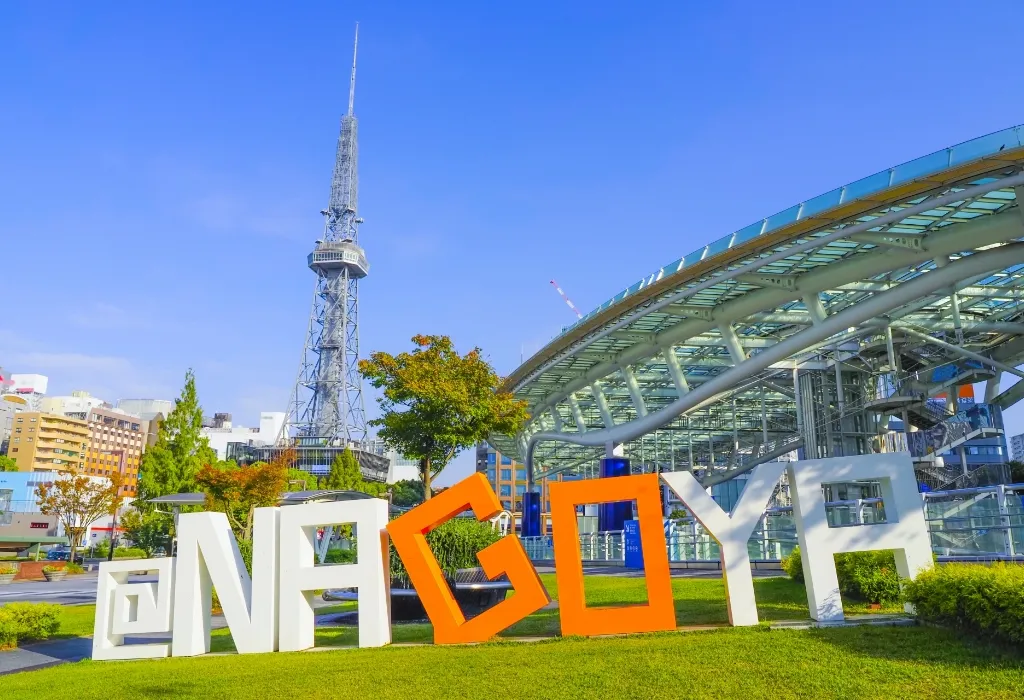
Looking for a seaside escape near Nagoya? Located just south of the city in Aichi Prefecture, the Chita Peninsula offers scenic sea views alongside cultural experiences such as shrine visits and historic landmarks. Compared to Japan’s busier cities, travel here feels slower and more laid-back, making it an ideal destination to explore a quieter side of central Japan.
Miwa Shrine
Source: Google Review (User びわこライダー)
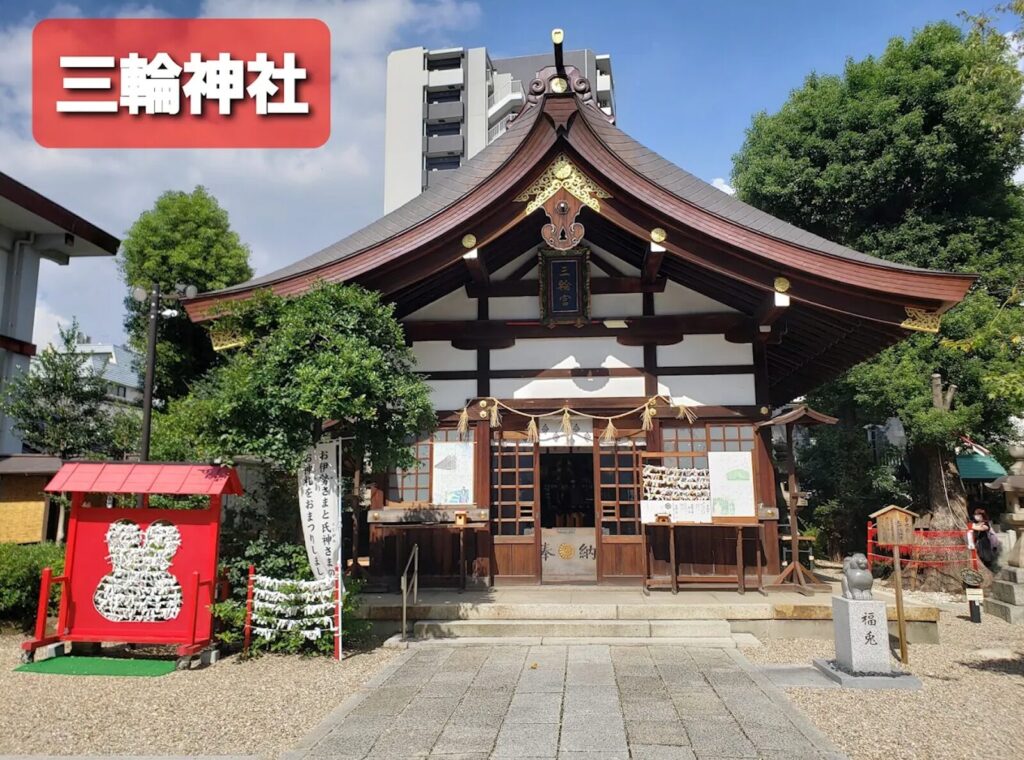
Miwa Shrine is one of the most historically significant shrines in the Chita area and is popular among locals as a place of prayer. It is dedicated to Omononushi, a deity traditionally associated with safety, prosperity and protection. Visiting offers a quiet look into regional traditions that have been passed down for generations.
A visit to Miwa Shrine pairs well with nearby coastal stops such as Noma Lighthouse and the fishing towns along the Chita Peninsula.
Noma Lighthouse
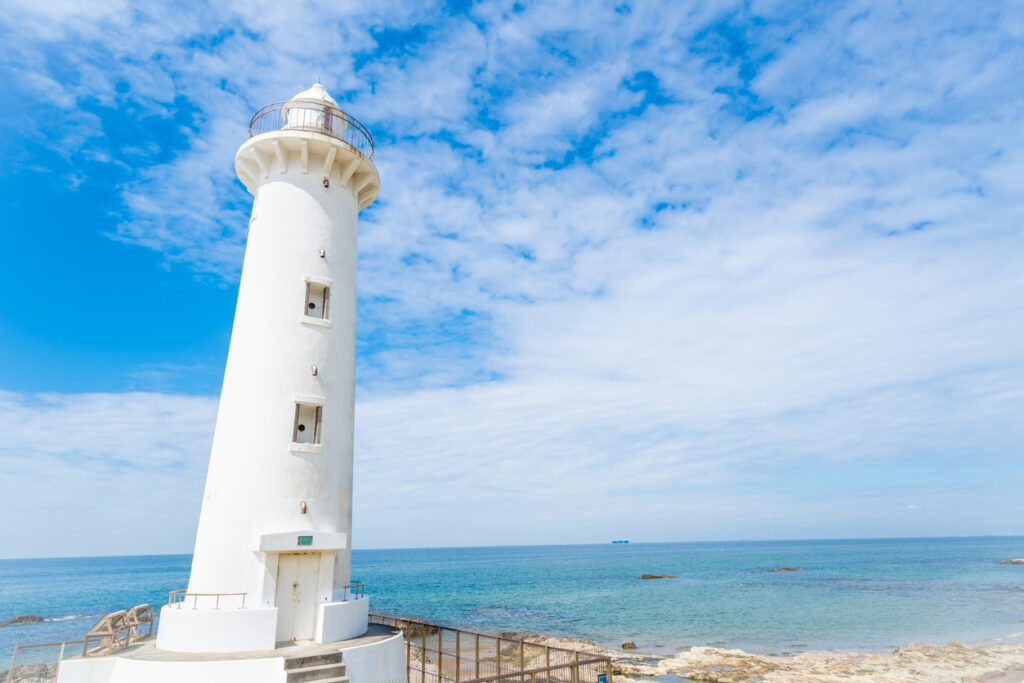
Noma Lighthouse is located in Mihama on the Chita Peninsula and is the oldest lighthouse in Aichi Prefecture, first lit in 1921. Standing 18 metres tall, its striking white silhouette overlooks Mikawa Bay, making it a popular spot for ocean views and photos. While the lighthouse itself is not open to the public, the surrounding cliffside area is ideal for a short stroll and enjoying the coastal scenery.
Nagoya Castle
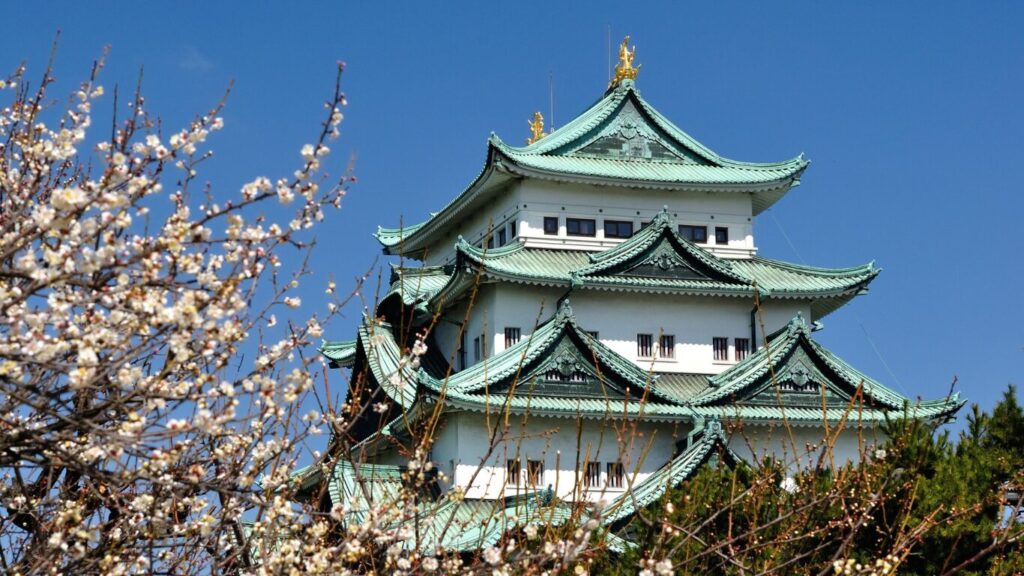
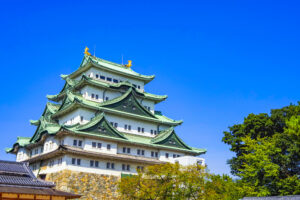
Nagoya Castle is one of the city’s most recognisable landmarks and an important symbol of Aichi’s history. Originally built in the early 17th century by Tokugawa Ieyasu, the castle served as a key defensive base during the Edo period. Its most famous feature is the pair of golden shachihoko roof ornaments, mythical creatures with the body of a carp and the head of a tiger, believed to protect buildings from fire and now an enduring icon of Nagoya.
Besides the main castle tower, visitors get to explore the gardens and stone walls. This spot is especially popular in spring, as it becomes a well-known cherry blossom viewing area that draws many locals and visitors. Several nearby museums also offer opportunities to learn more about the castle’s history and the region.
Osu Shopping Street
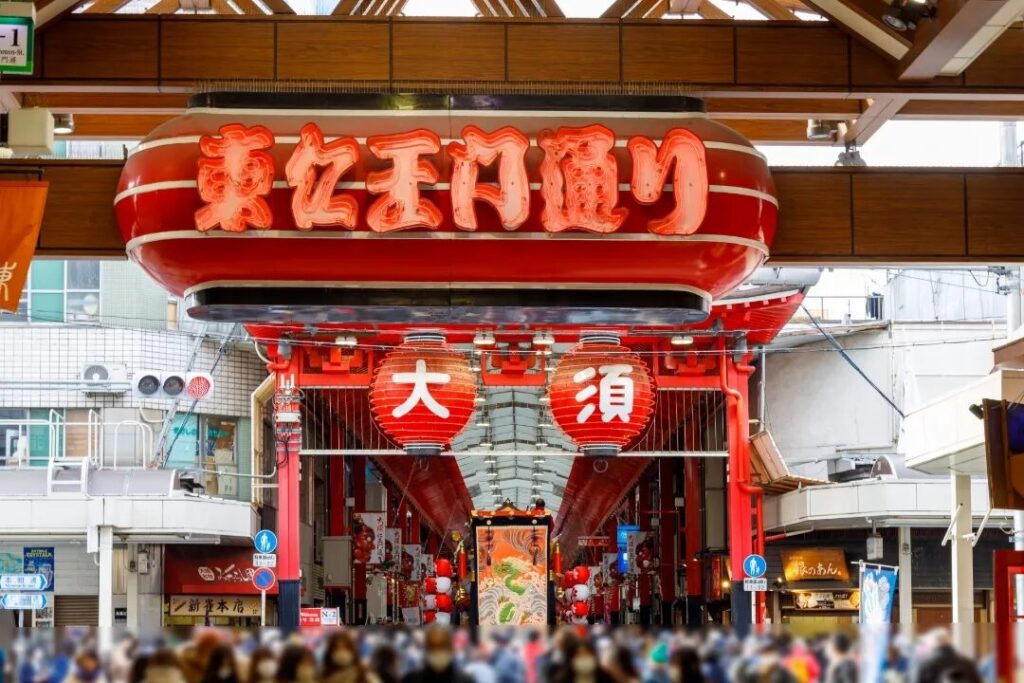
Osu Shopping Street is located a short distance from Nagoya Castle and offers a different side of the city. This traditional shopping street features a wide mix of shops, including vintage clothing stores, souvenir shops and street snack stalls.
The area is also home to Osu Kannon Temple, one of Nagoya’s most well-known Buddhist temples. Dedicated to Kannon, the Bodhisattva of compassion, the temple has long been a place of worship for locals. Its bright red main hall stands out among the surrounding shops and adds a cultural highlight to a visit to Osu.
Ghibli Park

Ghibli Park is a must-visit attraction for fans of Studio Ghibli. Located within Expo 2005 Aichi Commemorative Park, just outside Nagoya, the park recreates the worlds of beloved films such as My Neighbour Totoro, Spirited Away and Howl’s Moving Castle.
The park is divided into several themed areas inspired by different Studio Ghibli films. Visitors can explore recreated spaces, view exhibitions and appreciate the craftsmanship behind the animation.
Throughout the park, there are plenty of photo spots and familiar details that fans will recognise instantly.
Meiji Village
Source: Japan Guide
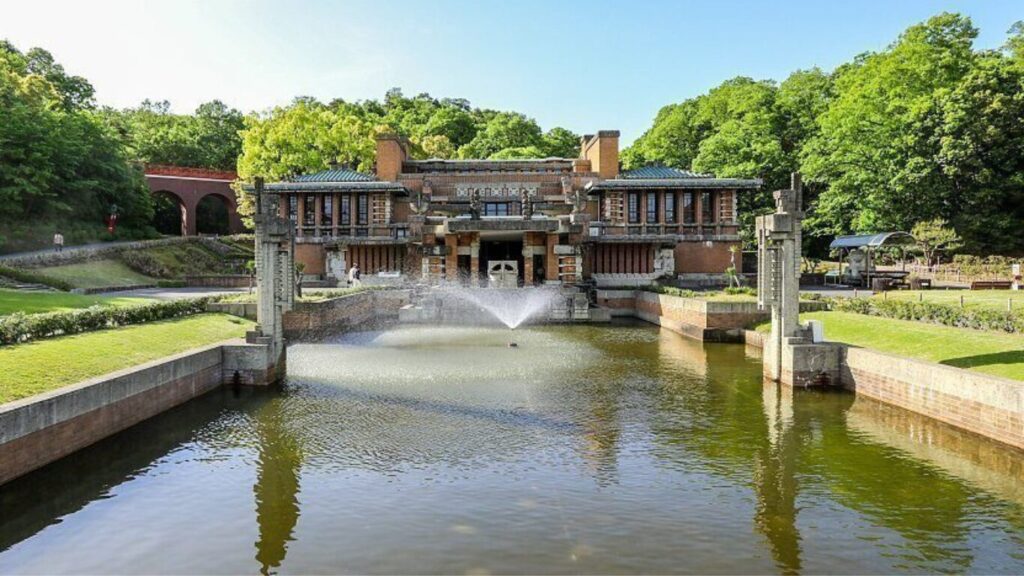
Meiji Village, also known as Meiji Mura, is an open-air museum that showcases Japan’s architectural heritage from the Meiji era (1868–1912). Situated in Inuyama, just north of Nagoya, the village preserves more than 60 historic buildings that have been relocated and carefully restored, offering a clear look at how Japan transitioned into a modern nation.
As you explore the place, you will find former administrative offices, schools, churches and residences from across the country. The buildings are preserved in their original style, and information panels around the site help you learn more about their history and significance. This place gives visitors a good sense of how Western and traditional Japanese architecture came together during the Meiji era.
The village also offers tram rides to explore different areas, along with scenic views overlooking Iruka Lake, which add to the experience. It is especially recommended to visit in spring and autumn, when the weather is comfortable for exploring the grounds.
The Chita Peninsula offers a more laid-back trip compared to nearby cities, with a mix of shrine visits, coastal viewpoints, historic landmarks and cultural attractions. If you need help planning a trip to Nagoya or exploring the Chita Peninsula, get in touch with us here.
Don’t forget to check out our other travel guides for more amazing destinations across Japan.