
Places to Visit in Kamakura for a Day Trip
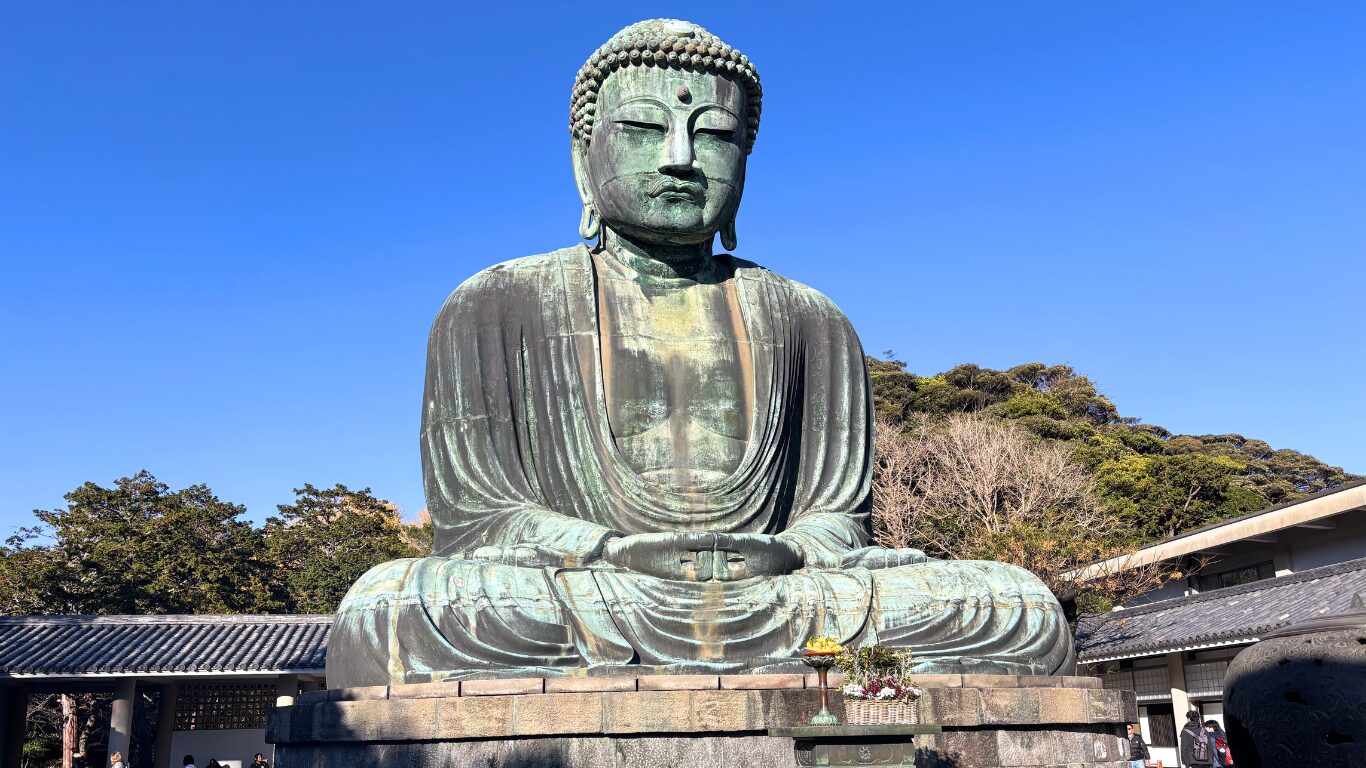
When people think of travelling in Japan, cities like Tokyo and Osaka usually come to mind first. But just an hour away from Tokyo is Kamakura, a coastal town that feels a lot more laid-back and easy to explore in a day.
Kamakura was once the political centre of Japan during the Kamakura period (1185–1333), and today you can still see traces of its past through the many temples, shrines, and cultural landmarks spread across the town.
We spent a day exploring Kamakura, stopping by some of its most popular spots and trying plenty of local food along the way. If you’re planning a day trip to Kamakura, here’s what we saw and what you shouldn’t miss.
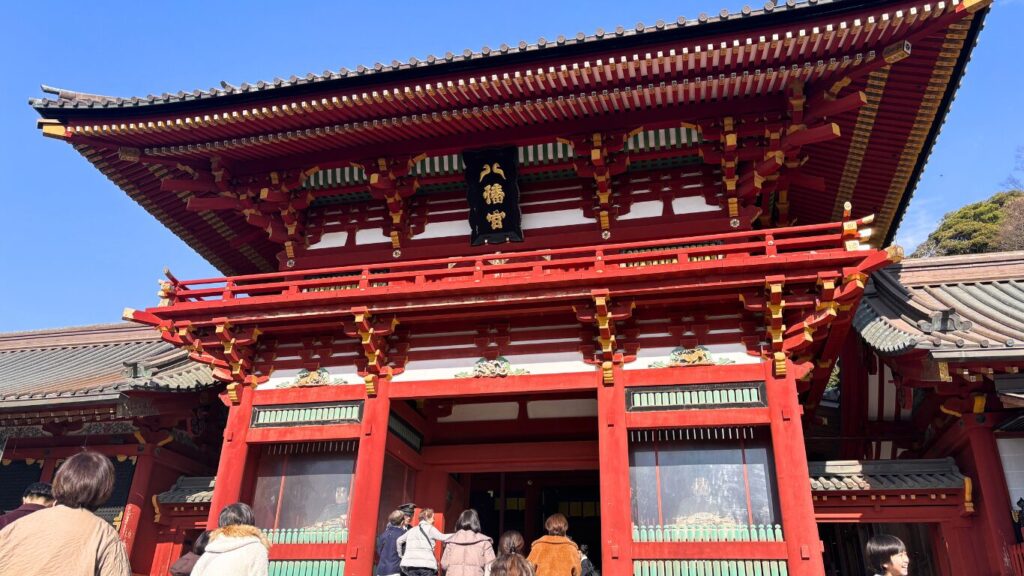
Tsurugaoka Hachimangu
We started our day at Tsurugaoka Hachimangu, a well-known shrine in Kamakura. It is dedicated to Hachiman, a deity closely linked to the Minamoto clan and the samurai era.
We walked around the area and made our way up to the main hall, which also has a small museum. After that, we took a slow stroll around the pond before heading to the next stop. One of the fun things to try here is the Hato-mikuji, which are cute pigeon-shaped fortune slips that you can draw, and they are quite popular among visitors.
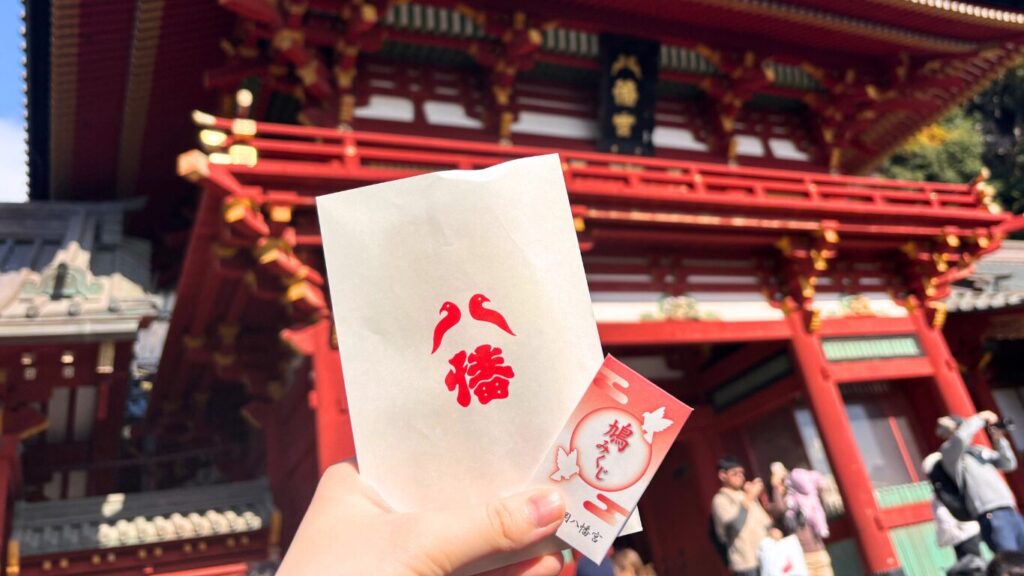
We also learned that if you visit in April, the Kamakura Festival takes place here. During the festival, there are traditional performances and tea ceremonies held in honour of the shrine’s deities. You can also watch yabusame, the traditional art of horseback archery, performed during the event.
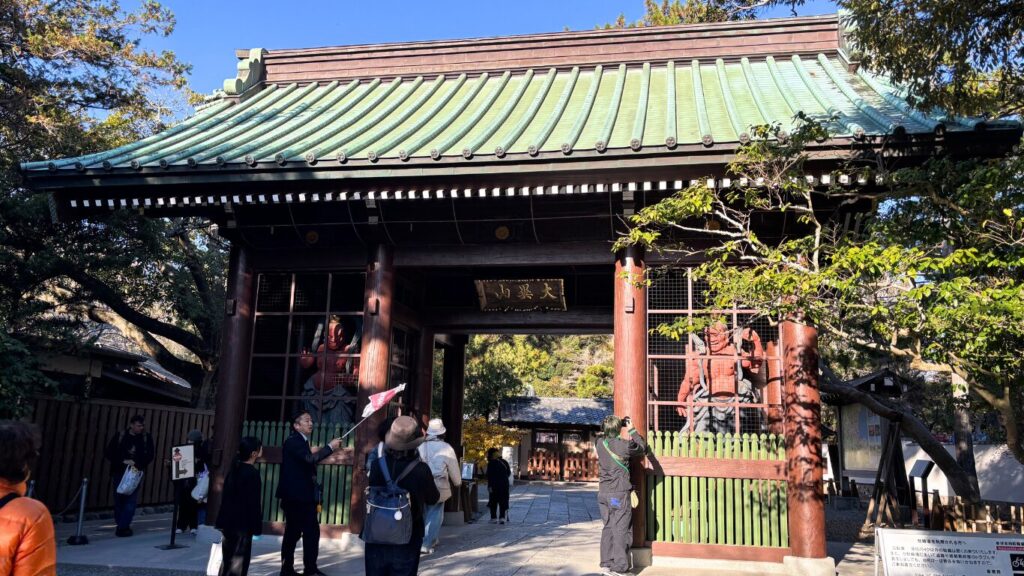
Kotoku-in
Next, we made our way to Kotoku-in, home to the famous Great Buddha of Kamakura. As we entered, we were first greeted by the Niomon, also known as the “Two Kings Gate.” It is guarded by two strong-looking statues called the Niō, which are believed to protect the temple and ward off evil.
The main highlight here is the massive Great Buddha, which stands 13.35 metres tall and weighs about 121 tonnes. It is Japan’s second tallest bronze Buddha statue and, together with the Great Buddha in Nara, is considered one of Japan’s three Great Buddhas. It is also the only National Treasure in Kamakura.
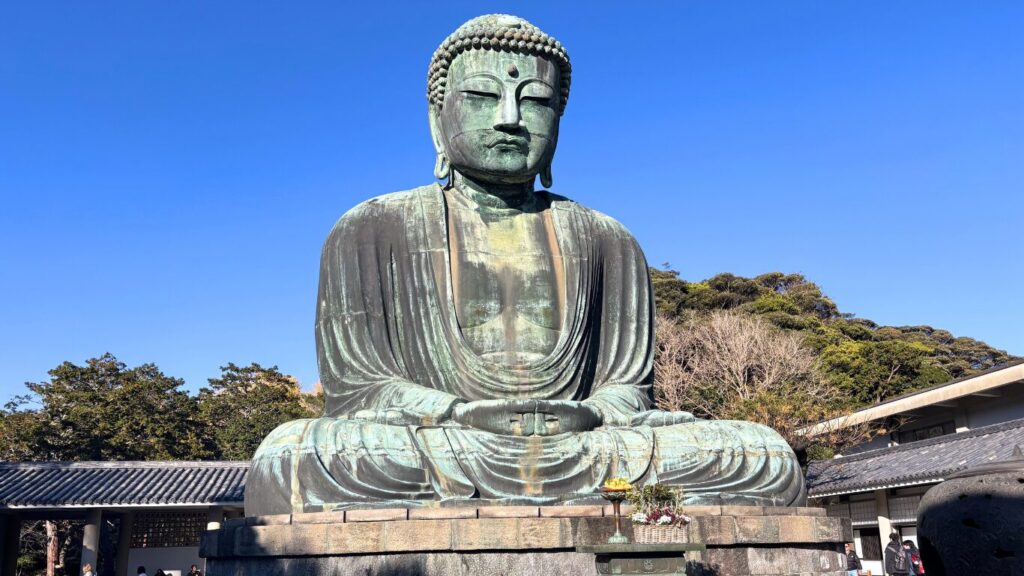
Seeing it in person felt quite different from photos. The statue is huge, and standing in front of it makes you pause for a moment to take it all in. One interesting thing is that visitors can actually go inside the statue. When we stepped in, it was quiet and we could faintly hear sounds from outside through the walls, which made the experience feel quite unique.
Hasedera Temple
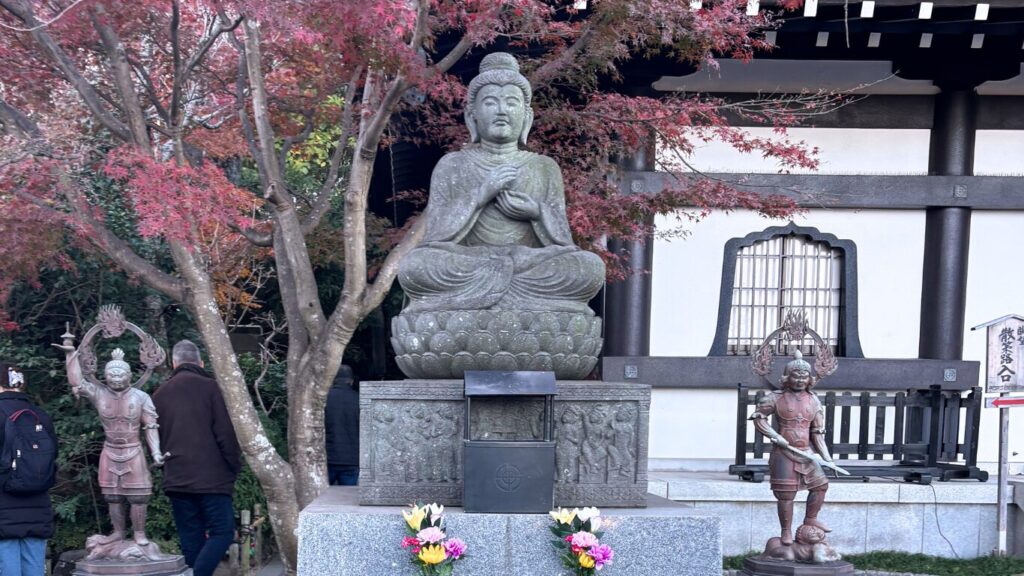
A short distance away, we visited Hasedera Temple. We learned that it is often called the “Temple of Flowers” because the hillside is planted with different flowers that change with the seasons. Sadly, we didn’t get to see them in full bloom during our visit, but we heard that it looks especially beautiful in spring and autumn when the temple grounds are filled with colour.
From early May to late June, the temple becomes especially popular for its Hydrangea Path, where rows of hydrangeas line the hillside. We were told this is one of the best times to visit, especially if you enjoy seasonal scenery and photography.
The temple sits slightly higher up, and we learned that the layout is designed to represent the Pure Land, or Buddhist paradise, which is why the area feels open and calming.
Inside the temple, the main statue is an eleven-faced Kannon carved from a single camphor tree. Kannon is known as the goddess of mercy in Buddhism, and many people come here to pray for protection, good health, and family well-being. There is also a Bussokuseki, a stone carved with Buddha’s footprints, which people worship as a symbol of health improvement and safe travels.
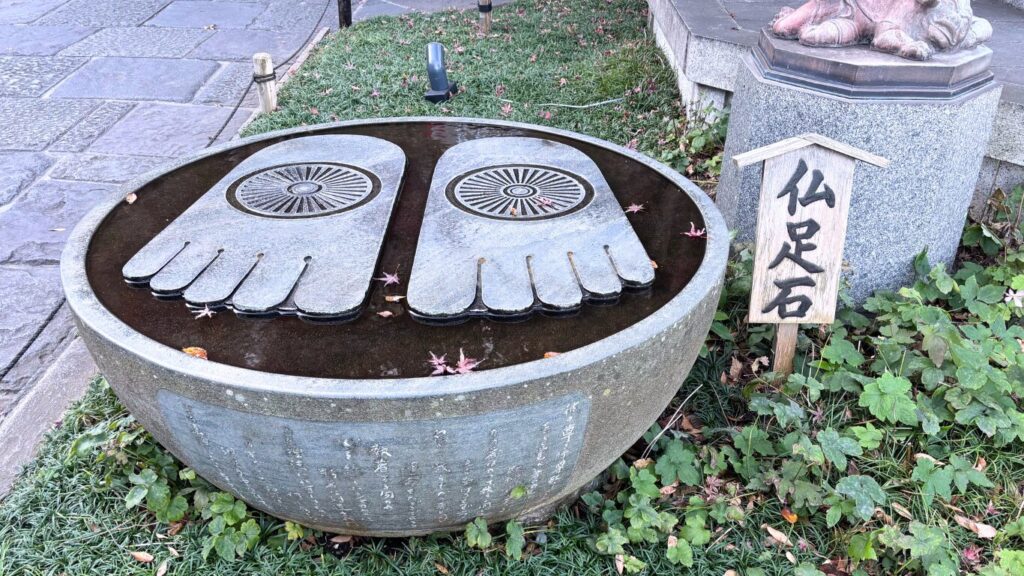
We enjoyed taking our time walking around the temple, stopping at different spots and just taking in the surroundings. The whole place felt very peaceful and calm.
Engakuji Temple
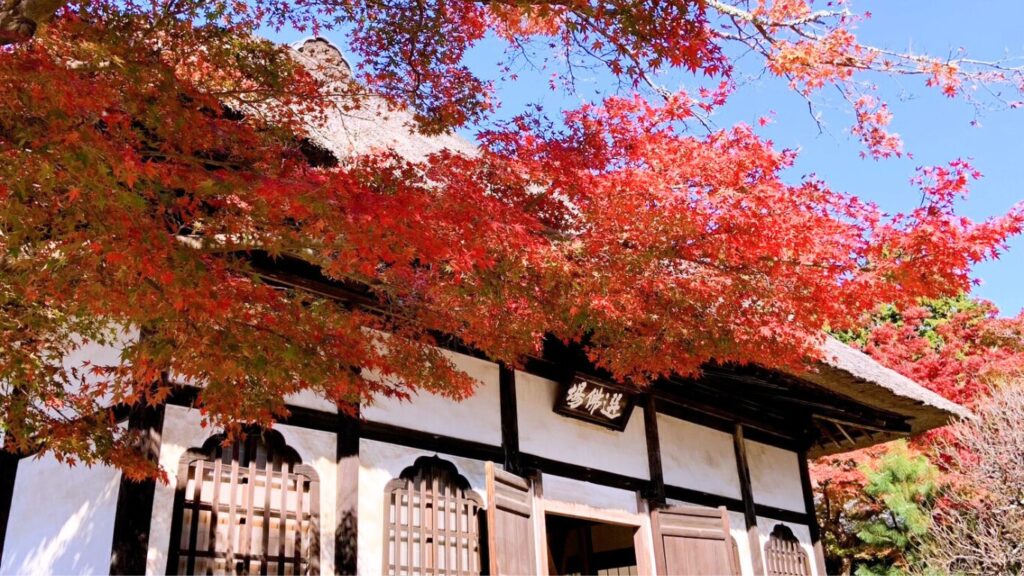
Next, we stopped by Engakuji Temple, one of the main Zen temples in Kamakura. As we walked in, the first thing we noticed was the large Sanmon Gate.
Just behind it is the temple’s main hall, known as the Butsuden, where a wooden statue of Shaka Buddha is enshrined. Among the highlights are the Shariden (Reliquary Hall), a special building that houses a sacred relic believed to be a tooth of Buddha, and the Ogane (Great Bell). Both of these are designated National Treasures.
It’s a nice place to learn more about Zen culture and take a quiet walk around the area. The temple is known for its autumn foliage, which can usually be seen from around late November to early December, and we were lucky to catch some of the autumn leaves still around during our visit in December. During the autumn season, they sometimes hold the Homotsu Kazeire, a special exhibition where selected temple treasures are displayed to the public.
Zazen meditation sessions are offered here as well, which is a traditional form of seated Zen practice, although we didn’t join one during our visit.
Hokokuji Temple
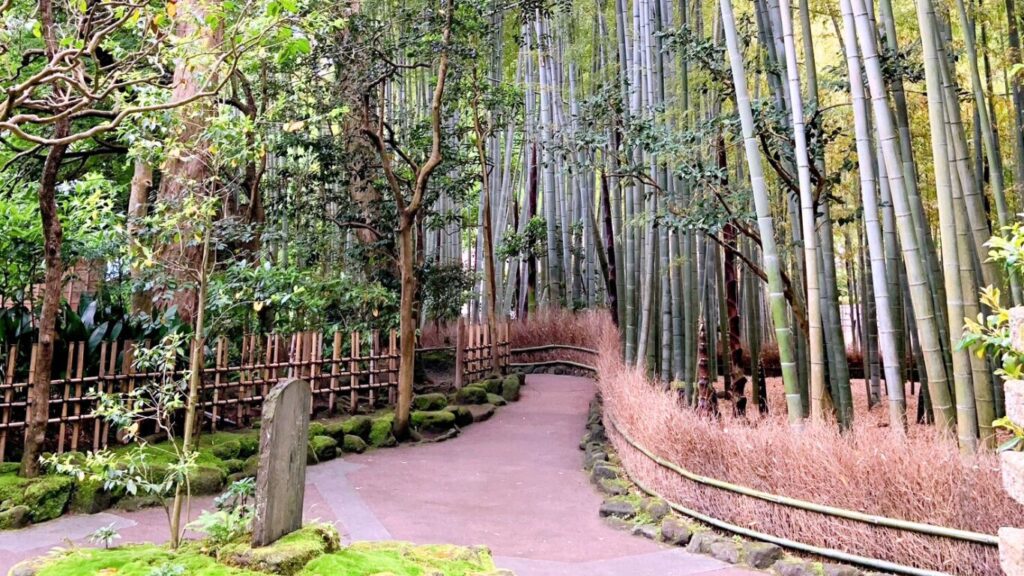
This was the last temple we visited, Hokokuji Temple, which is also known as the Bamboo Temple. It felt quite different from the others because of its famous bamboo grove.
As we walked into the bamboo garden, we were surrounded by tall bamboo stalks all around us. It was a very nice spot to take photos.
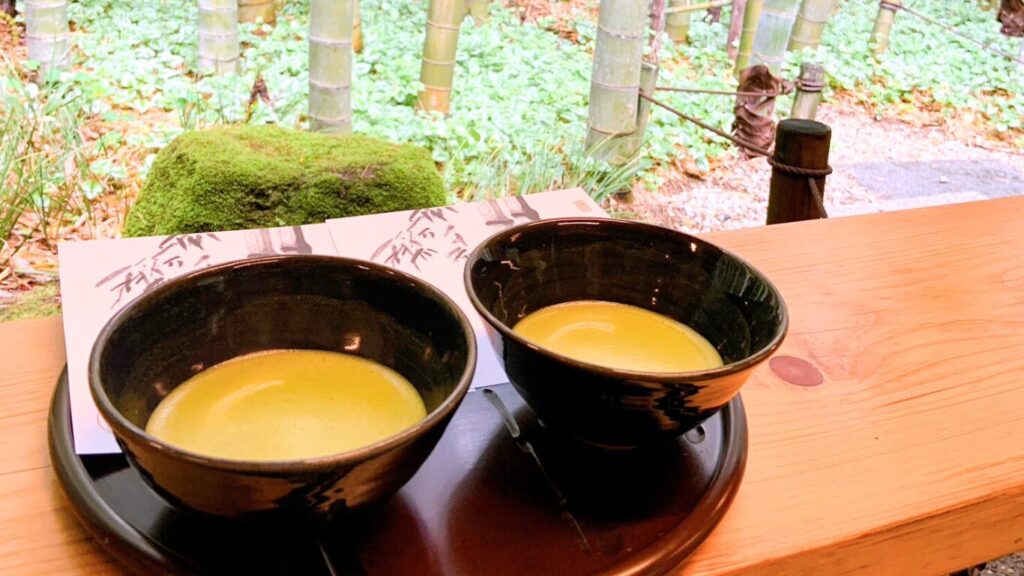
There is a small tea house inside, and we decided to sit down for a short break and enjoy some matcha before heading to our next stop. We took our time there, and it was a nice break after walking around all day while enjoying the view.
Komachi-dori Street
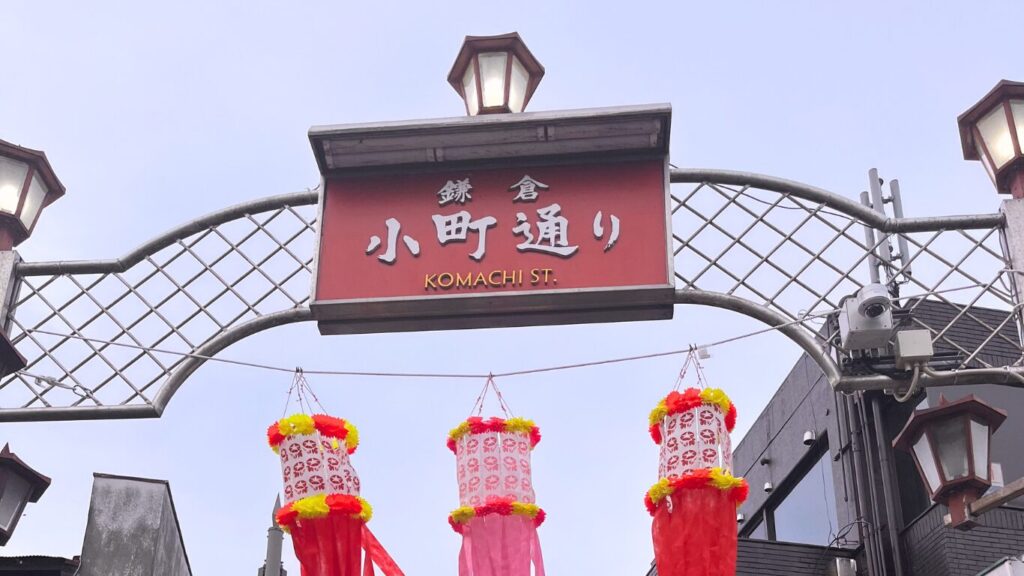
No visit to Kamakura is complete without trying the local food. We visited Komachi-dori Street, a popular shopping street located near Kamakura Station.
We tried one of the most well-known local dishes, shirasu-don, which is a rice bowl topped with fresh shirasu (whitebait). We ordered both the raw and boiled versions. The raw shirasu had a very soft texture with a light, clean taste, while the boiled version was slightly firmer and a bit more savoury. Both were very fresh, and it was interesting to compare the two.
After eating, we spent some time walking around and browsing the shops, which sell everything from Japanese sweets to seafood snacks. We came across popular street treats like the famous “Hannari Inari” mille-feuille and “Daibutsu-sama-yaki,” which are Great Buddha-shaped cakes that many people stop to try.
We also visited the Hato Sabre shop, known for its dove-themed merchandise, and picked up some of their butter cookies as souvenirs.
Kamakura turned out to be a really enjoyable and easy day trip from Tokyo. Within a day, we were able to visit several temples, try local food, and explore different parts of the town.
We also learned that Kamakura is a place you can visit in different seasons. In spring, many areas are known for cherry blossoms, while autumn brings beautiful foliage around the temples and walking paths. Early summer is also popular for hydrangeas, especially at places like Hasedera Temple. Even outside these peak seasons, Kamakura is still worth exploring, as each place has its own charm.
Overall, Kamakura is a great option if you want to take a short break from the busy city and see a different side of Japan. With its easy access from Tokyo and plenty to see and eat in one day, it’s definitely worth adding to your itinerary.
Planning a trip to Kamakura and looking for a private tour? Let us help. We offer private, customisable tours led by local guides, allowing you to experience the season at your own pace and according to your interests.
Be sure to explore our other travel guides for more inspiration and destinations to include in your trip across Japan.