Must-Visit Places in Aomori: Your 2025 Travel Guide
-
Aomori
If you’re planning a trip to northern Japan and wondering what to see in Aomori, this list is for you. During our time exploring the region, we visited some of Aomori’s most memorable spots, from volcanic sacred sites and scenic hiking valleys to dramatic coastlines and fishing towns known for their exceptional tuna. Many of these places are still off the usual tourist trail, making them perfect for travellers who want to step away from the crowds and experience a quieter side of Japan.
Here are some of the places we visited and would recommend checking off your sightseeing list when you’re in Aomori.
1. Osorezan (Mount Osore)
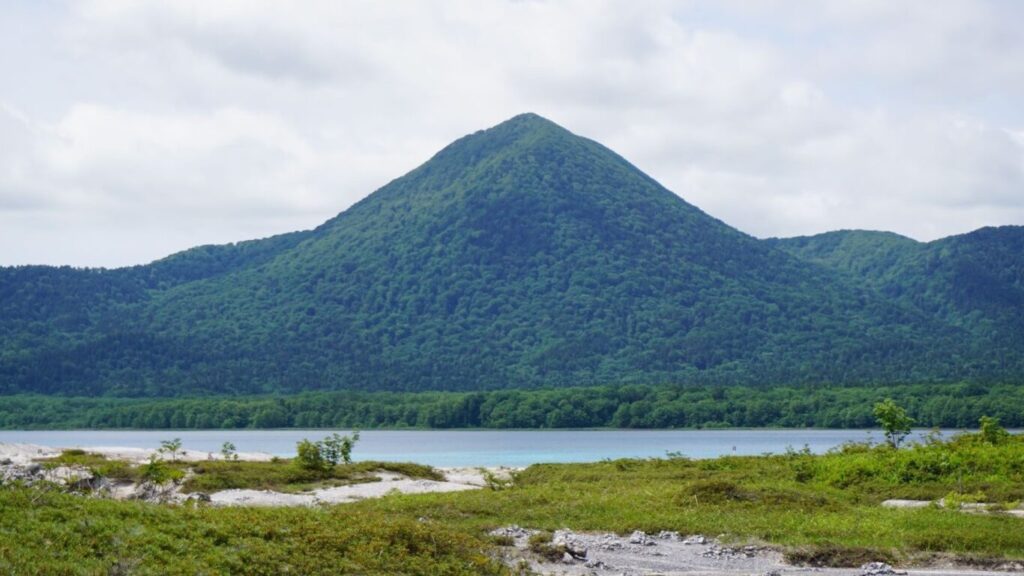
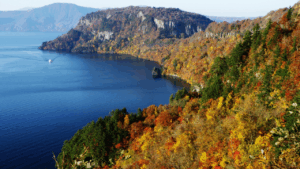
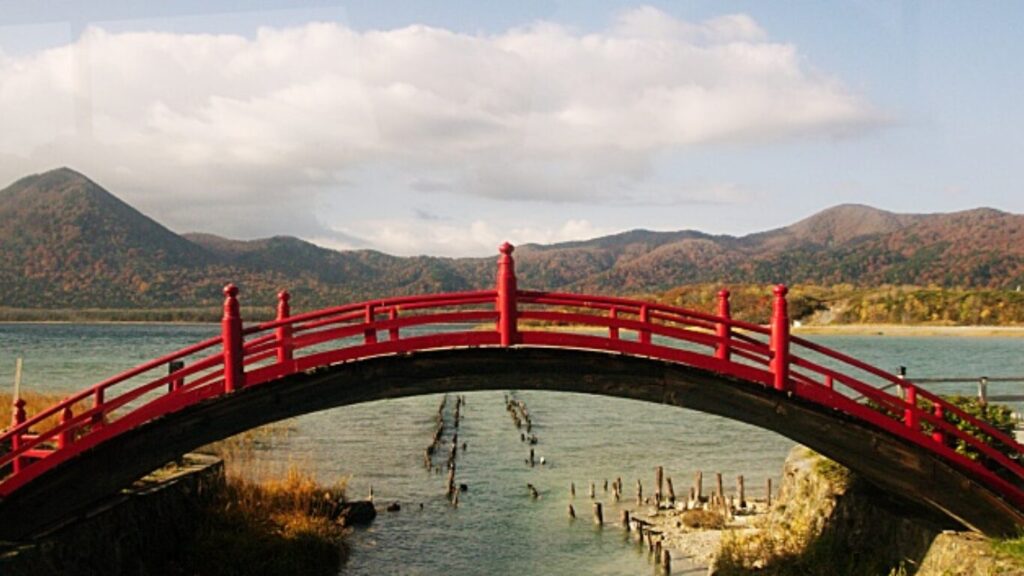
Osorezan is one of Japan’s most sacred places and a destination that genuinely feels like stepping into another world. Its name translates to “Fear Mountain,” reflecting the striking landscape of steaming volcanic ground, quiet white sand and the vivid blue waters of Lake Usori. Founded more than 1,200 years ago by the monk Ennin, the site is framed by eight surrounding peaks and crossed by the Sanzu River, features that closely resemble traditional Buddhist images of the afterlife.
Source: A Different Side of Japan
As we explored the grounds, our guide shared stories that gave the place even deeper meaning. He told us how many people travel from all over Japan to Osorezan to mourn loved ones and find closure, sometimes many years after their loss. Hearing these stories while walking through the misty landscape made the experience feel deeply personal, and at times, it genuinely felt like we had stepped into a different realm altogether.
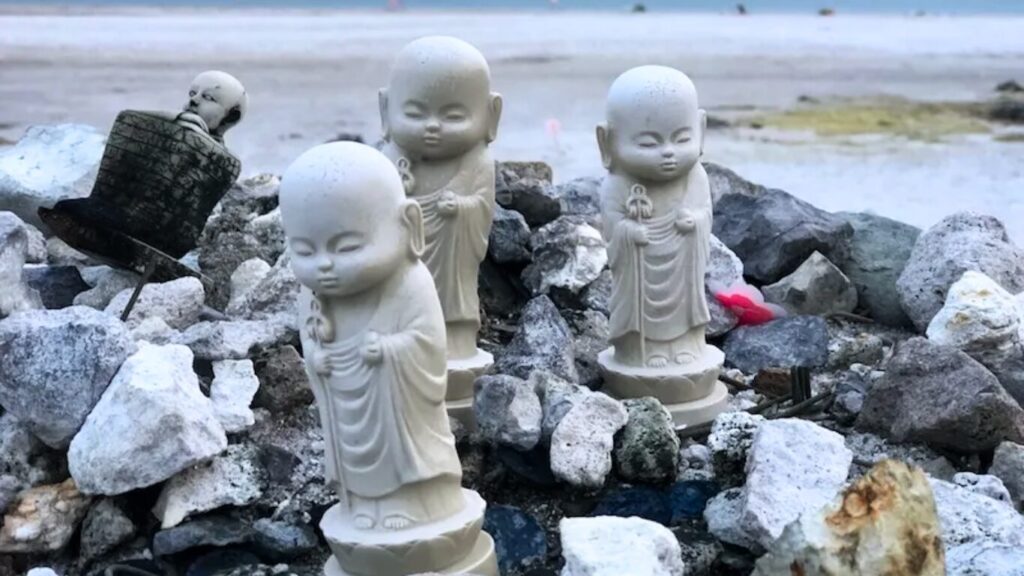
Walking through the temple grounds, you will notice countless statues of Jizo, the Bodhisattva who protects children and guides lost souls. Many are surrounded by small piles of pebbles and colourful windmills left by grieving parents hoping their children find peace. These quiet offerings add a strong emotional presence to the mountain and make the visit feel both solemn and moving.
Source: Wikimedia
Osorezan is serene, reflective, and unlike most temple visits in Japan. For those who wish to stay longer, the temple offers simple accommodations with vegetarian meals and early morning prayers. Several natural hot spring baths are also available, free for all visitors, offering a peaceful way to unwind after exploring the mountain.

Source: A Different Side of Japan
2. Kabushima Shrine
Source: Amazing Aomori
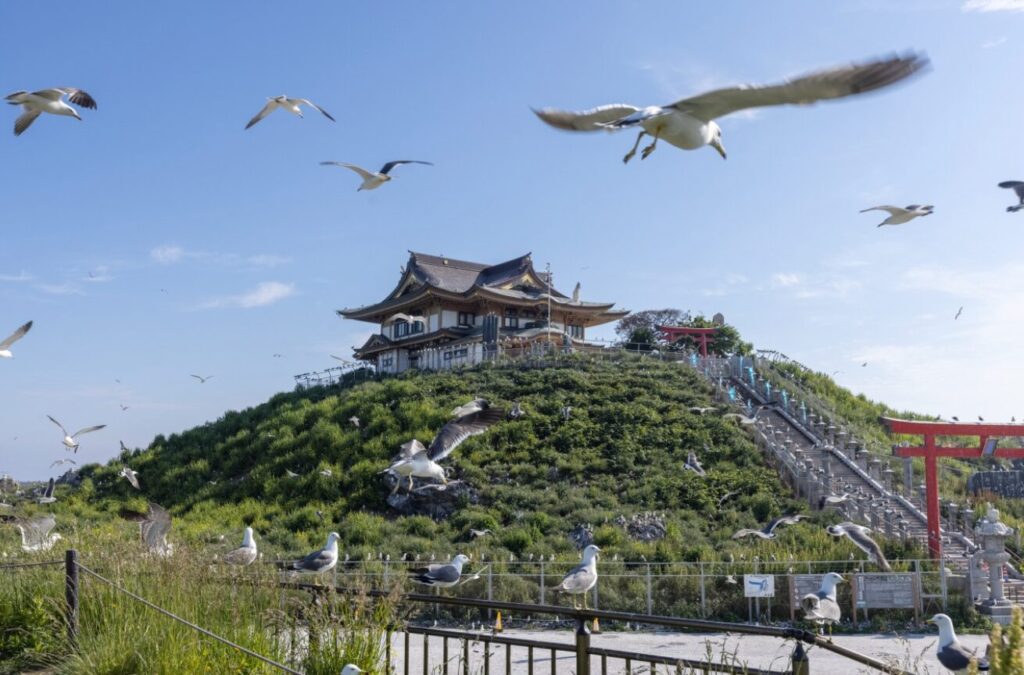
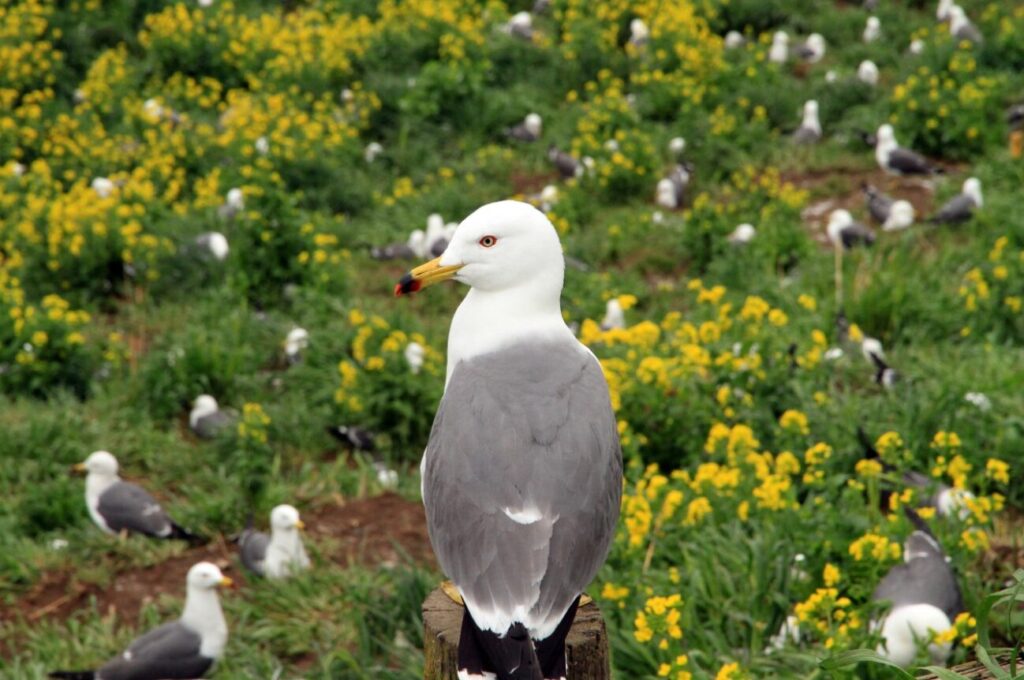
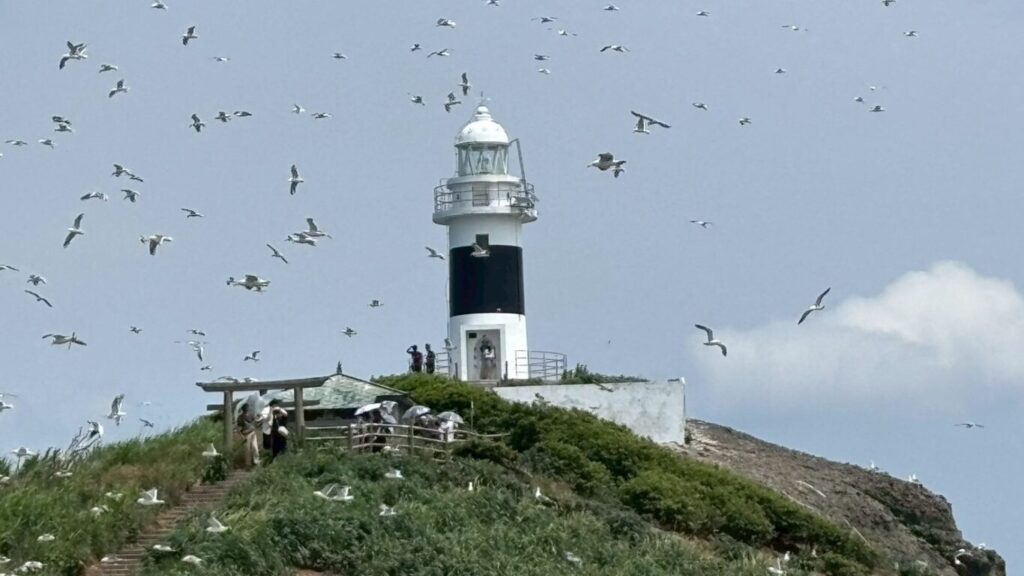
Kabushima Shrine is one of the most memorable stops along Aomori’s coastline. As we approached the shrine, the sound of black-tailed gulls became increasingly noticeable. These gulls return here each spring and summer, turning the area into one of the liveliest coastal scenes in the region.
Source: Amazing Aomori
The shrine is dedicated to Benzaiten, the goddess associated with water and prosperity, making its seaside location especially meaningful. What stood out to us most was how close you can get to the birds. Kabushima is the only place in Japan where you can observe black-tailed gulls nesting at such close range, and during the peak season, the entire island feels alive with adults and chicks.
If your trip falls in mid-May, you will see the hillside leading to the shrine covered in bright rape blossoms, creating a vivid seasonal landscape that makes Kabushima one of Hachinohe’s most striking spring viewpoints.
3. Takaiwa Tenbodai Observatory
Source: Trip.com
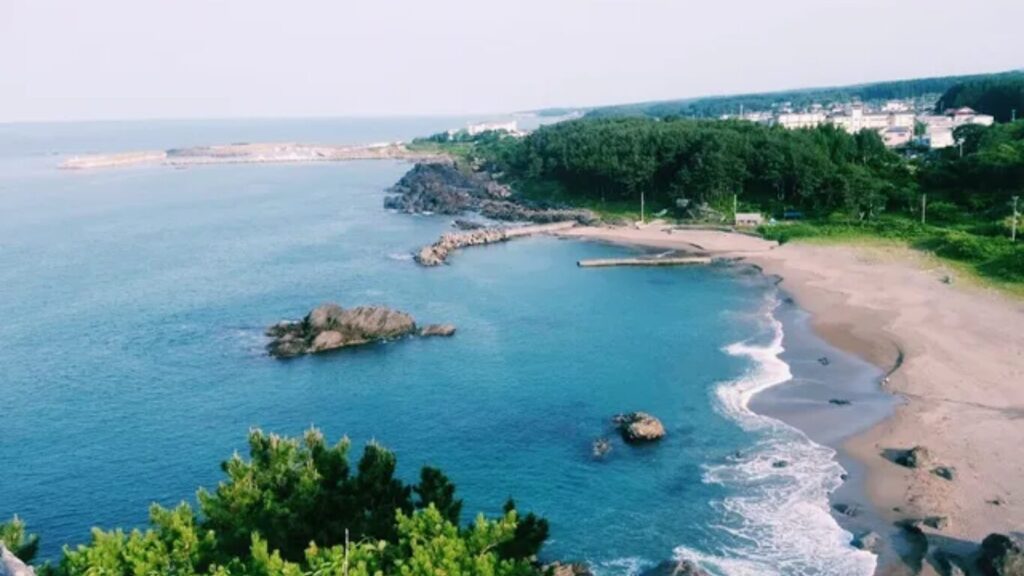
Takaiwa Tenbodai Observatory offers wide views over the Tanesashi Coast and the Pacific Ocean. The journey there was part of the experience for us, with scenic stretches of coastline and countryside along the way that made the trip feel especially enjoyable. By the time we reached the observatory, it was clear why this spot is popular for its panoramic coastal views, including Okuki Beach.
When we visited in June, the weather was noticeably windy, and our guide advised us to bring a raincoat instead of an umbrella. Because of the strong winds, the lookout felt very open, giving us a clear sense of how rugged the coastal area is. From the top, you get a clear, full view of the ocean, the rocky shoreline and the wide stretch of sky above it.
Despite the conditions, we found it to be a refreshing stop and a good place to take photos and enjoy the sea air. Takaiwa Tenbōdai Observatory is a simple but rewarding viewpoint that shows off Aomori’s eastern coastline.
4. Taijima Island
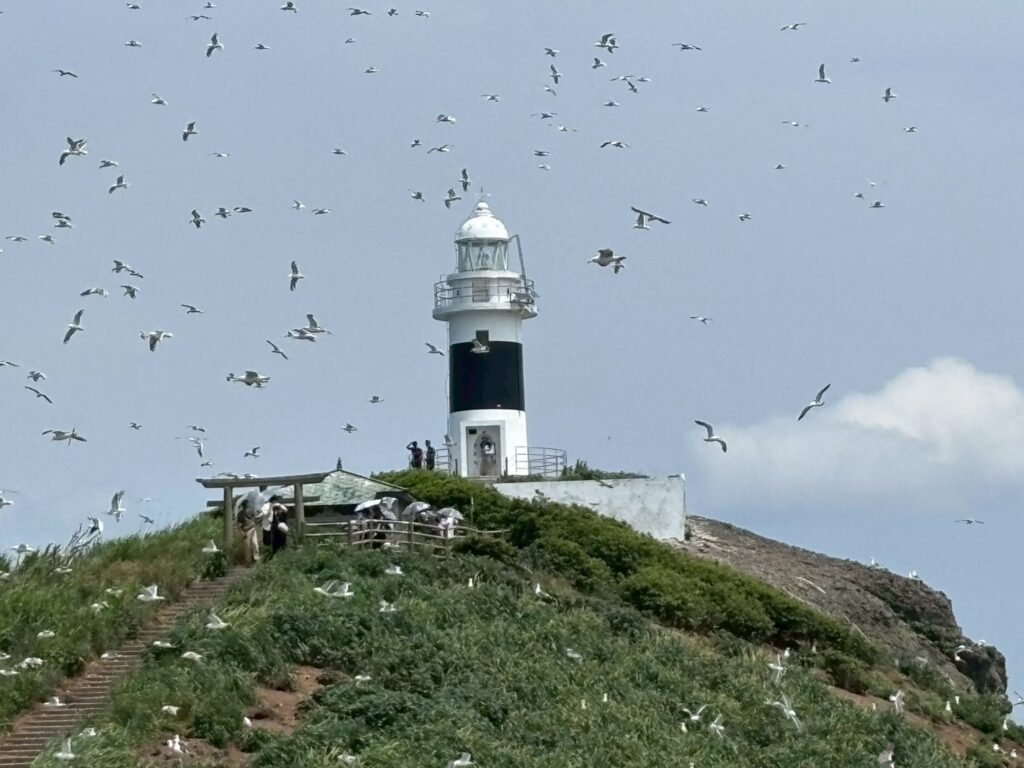
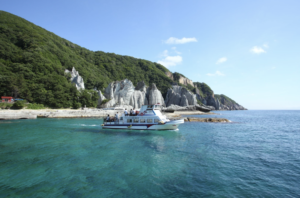
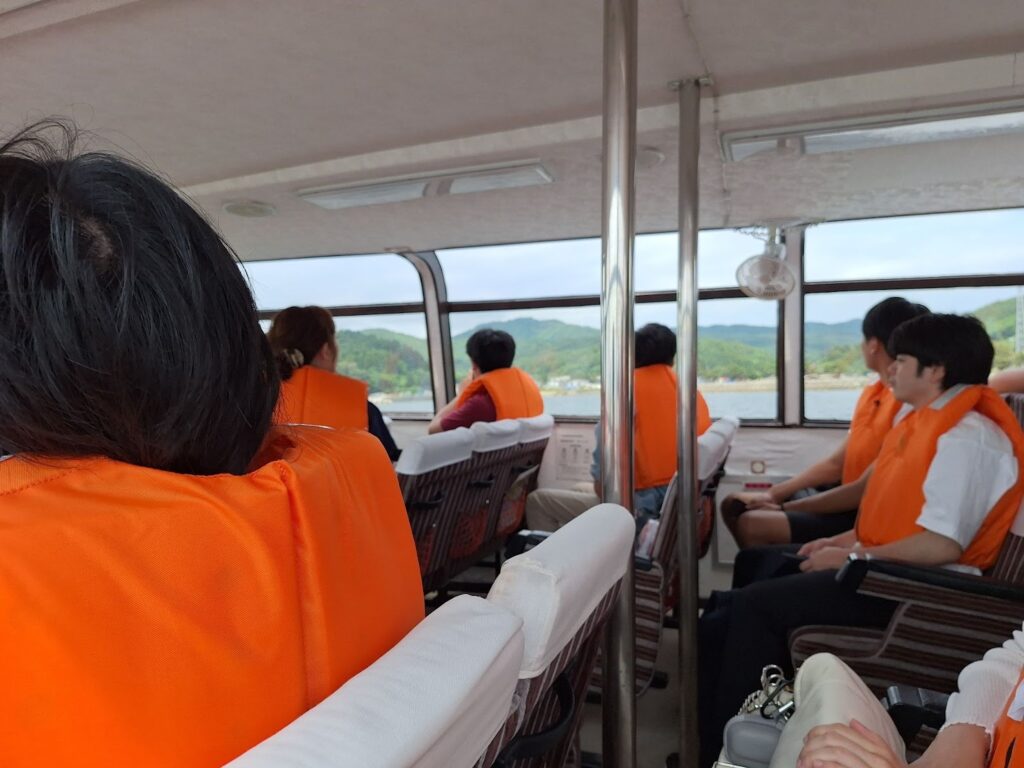
Reaching Taijima Island already felt like a small adventure. The short ferry ride across the bay offered open views of the sea, and if you visit around late May, there is even a chance to spot dolphins along the way. Once we arrived, it quickly became clear that the island is home to a large number of gulls. With birds everywhere, we joked among ourselves that if anyone got “shat on,” it meant we would strike 4D back in Singapore.
As we explored the island, our guide shared a local version of the story behind Taijima’s shrine, which is different from the more commonly known legends of Benzaiten. According to this tale, a village girl is abandoned after a broken promise and left behind when the man she loved returns home by ship. Overcome with grief, she transforms into a serpent and chases after him. Moved by her suffering, the villagers later built a shrine to honour her spirit, which is enshrined as Benzaiten, also known as Benten-sama. The story continues to shape how the shrine and surrounding waters are respectfully regarded today.
Visitors can take a short walk around the island, visit the shrine, and enjoy views of the surrounding waters. Taijima is a small, quiet stop that adds a different coastal perspective to a trip through the Shimokita Peninsula.
5. Yagen Valley
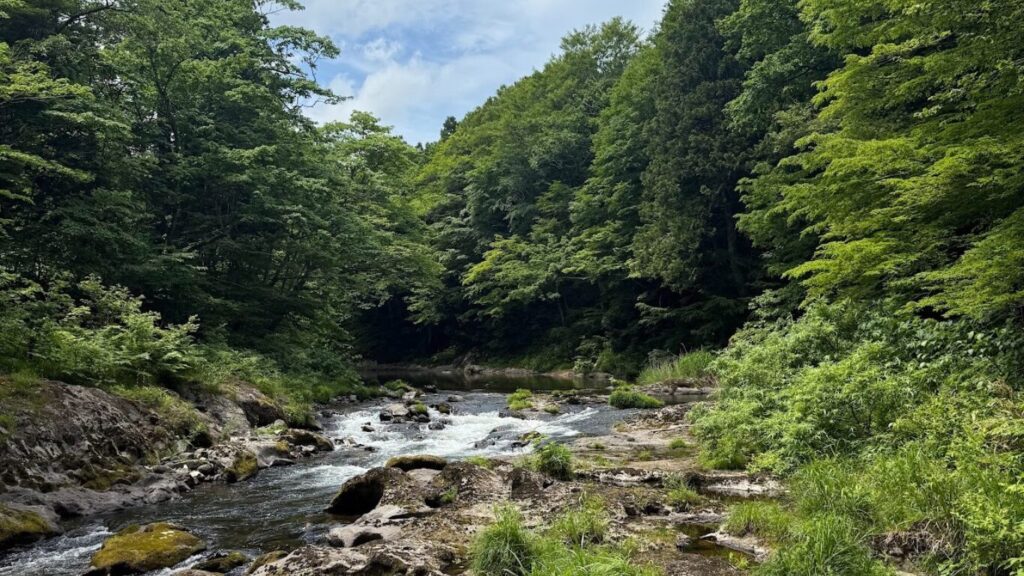
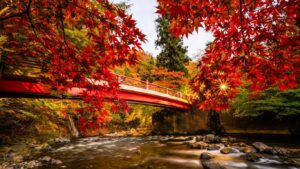
Yagen Valley felt like one of the calmest places we visited in Aomori. Tucked deep within the Shimokita Peninsula, the area is surrounded by dense forests and clear flowing rivers, creating a quiet atmosphere that immediately makes you slow down. As we walked along the gentle trails, the sound of water and the surrounding greenery made it an easy place to relax and enjoy being in nature.
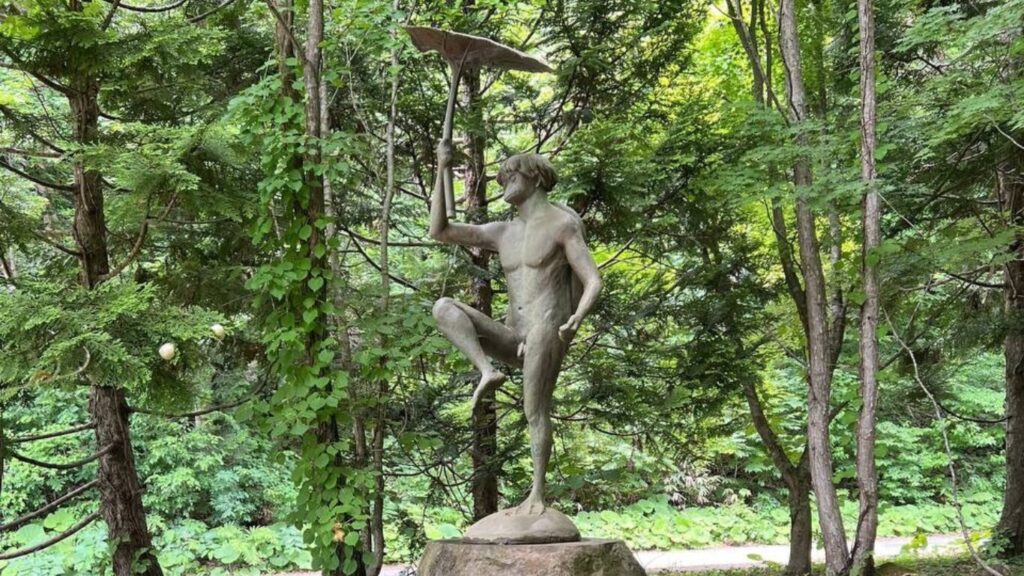
Along the way, we spotted several small kappa statues placed around the paths and near the river. Our guide explained that kappa are mischievous water spirits in Japanese mythology, believed to live in rivers, ponds and lakes, which made seeing them scattered throughout the valley feel fitting.
We also followed parts of the former Ohata Forest Railway, including a short tunnel that leads to a viewpoint overlooking the valley. After exploring, we stopped by the Oku-Yagen rest house for a simple meal and enjoyed the free footbath nearby, which uses naturally warm onsen water. With outdoor hot springs nearby and scenery that changes with the seasons, Yagen Valley offers a peaceful break from the busier parts of the trip.
6. Oma Town
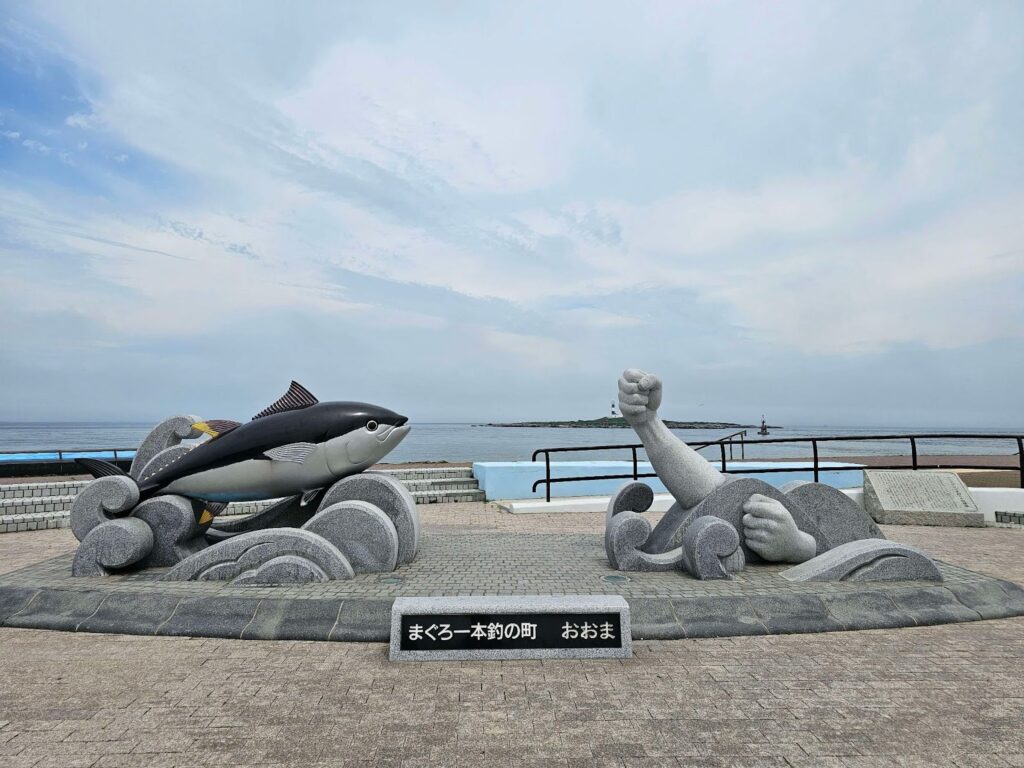
Oma Town sits at the northernmost tip of Honshu and is widely known for its exceptional bluefin tuna. The unique meeting of ocean currents in the Tsugaru Strait creates rich feeding grounds, allowing the tuna here to grow especially large and flavourful. This has led Oma’s tuna to achieve record prices at auctions, earning it the nickname “black diamonds.
Walking through Oma offers a glimpse into the everyday life of local fishermen. From the harbour, we could see fishing boats coming and going, which gave us a sense of the town’s close connection to the sea. Nearby stands the well-known Tuna Monument, marking the northern tip of Honshu. On clear days, it is possible to see Mount Hakodate across the water. If your trip falls in October or November, expect occasional fog, which can make it hard to see beyond nearby spots like the Oma Lighthouse just off the coast.
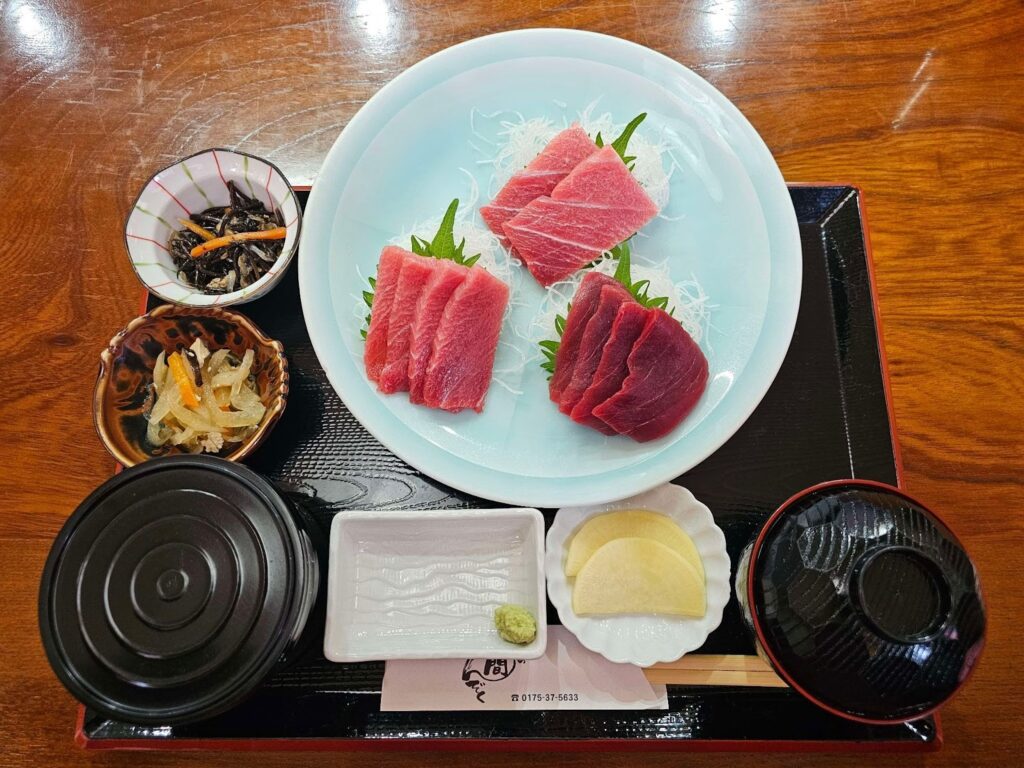
We also made sure to try the local seafood, and the tuna we had was incredibly fresh. From sashimi to rice bowls, it was easy to understand why Oma is so highly regarded for its tuna. Before leaving, we spent some time browsing the souvenir shops around town, where we picked up locally made snacks and tuna-themed items to bring home.
7. Mount Kamafuse Observatory
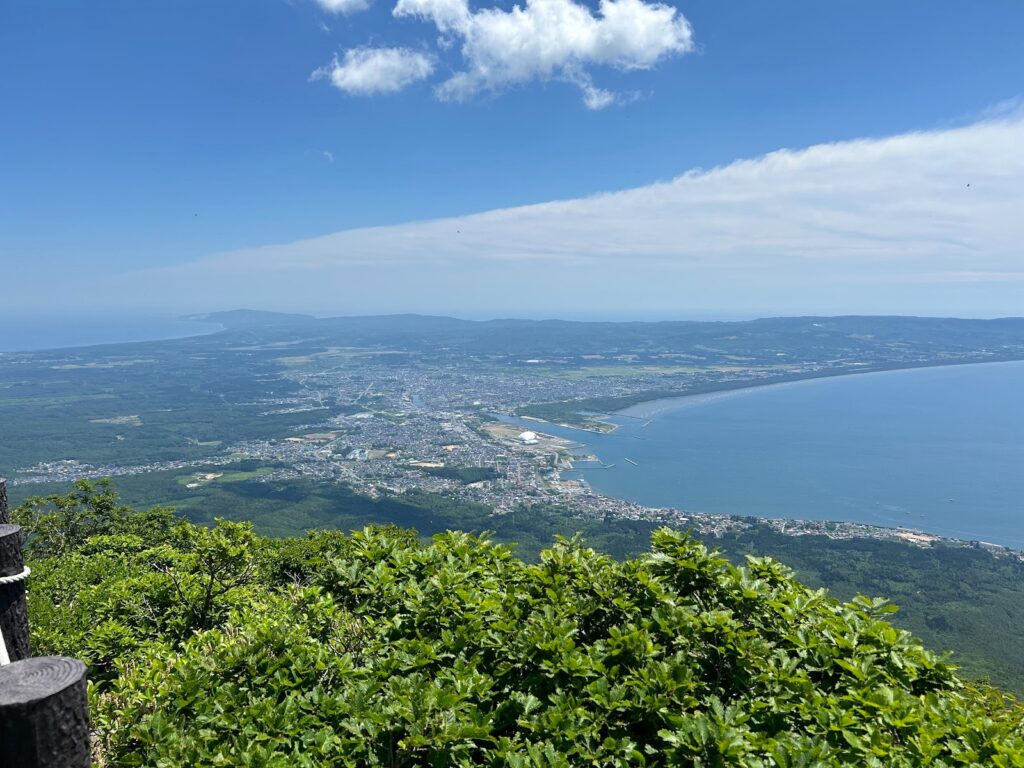
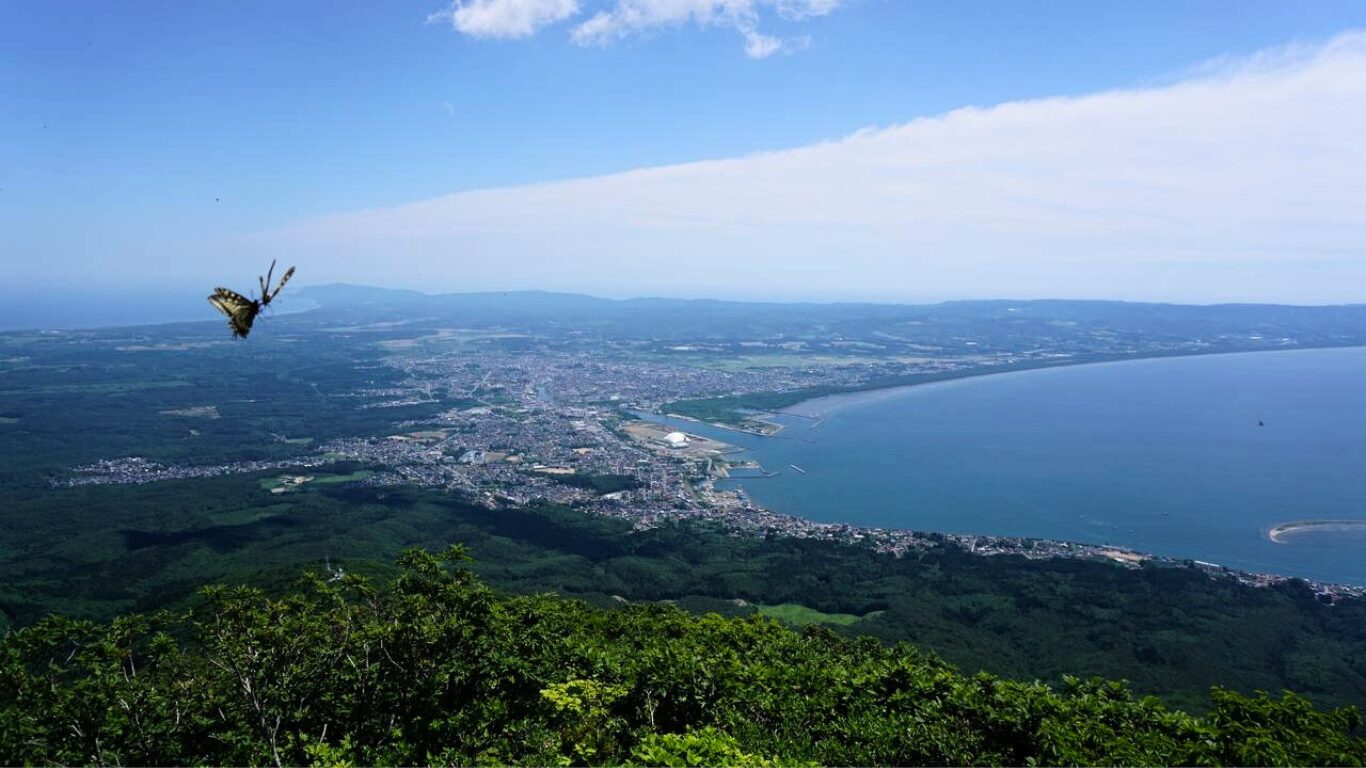
Mount Kamafuse Observatory is one of the best places in Aomori to enjoy wide, elevated views of the surrounding landscape. Located near Mutsu City, the observatory looks out over forests, lakes and the curve of Mutsu Bay, giving a real sense of how vast the Shimokita Peninsula is. When we arrived, the view was genuinely breathtaking, and it was one of those moments where we simply stood still and took everything in.
During the day, we could see Lake Usori, rolling mountains and the coastline stretching into the distance. The drive up to the observatory was scenic as well, with winding roads and occasional openings that offered glimpses of the landscape below. We were told that autumn is especially popular, when the surrounding forests turn shades of red and gold.
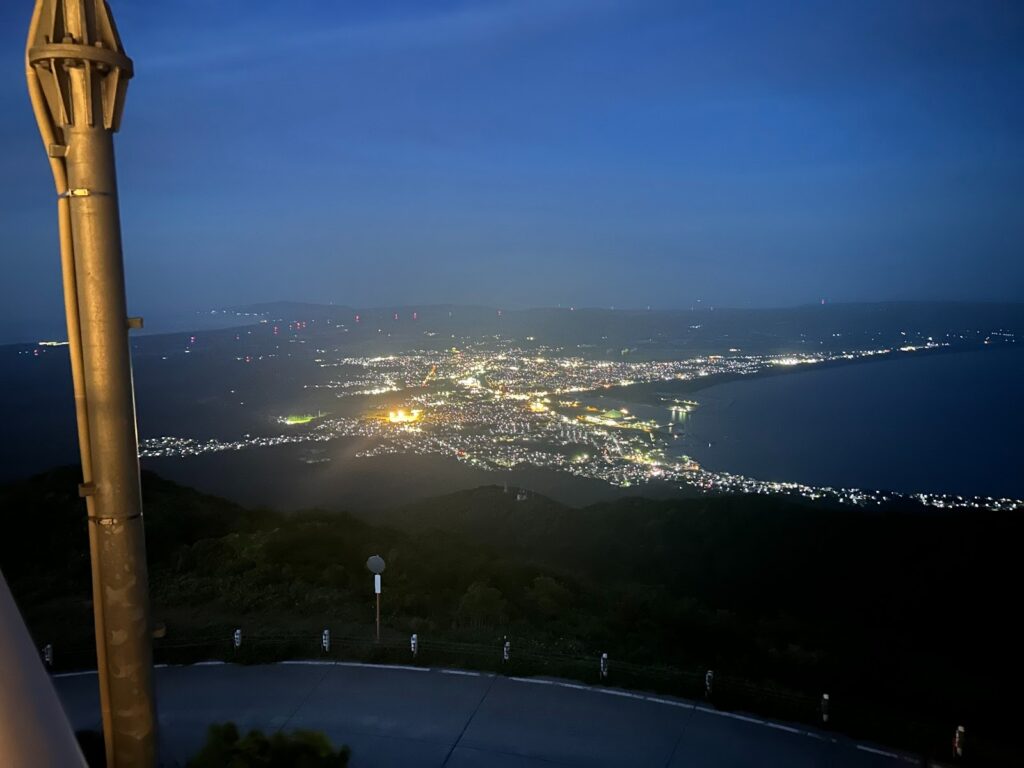
After sunset, the experience changes completely. As night falls, the lights of Mutsu City begin to glow and form a distinct shape known as the “Illuminated Swallowtail.” Seeing this butterfly-like night view from above was memorable, and it’s something we would love to return for on a clear evening. Whether visited during the day or at night, Mount Kamafuse Observatory left a strong impression and is a spot we would happily revisit.
Exploring Aomori was a refreshing change of pace. From quiet sacred sites and peaceful valleys to coastal viewpoints and a small fishing town, the trip felt unhurried and deeply relaxing. Each stop offered something different, yet all shared the same sense of calm and connection to nature that made the trip especially memorable. Aomori is the kind of destination that encourages you to slow down, take in your surroundings, and appreciate a quieter side of Japan that often goes unnoticed.
Planning a trip to Japan or curious about exploring Aomori? If you need help planning your route, choosing where to stay or discovering unique experiences, get in touch with us here.