
A First-Time Visitor’s Guide To Kanazawa, Japan
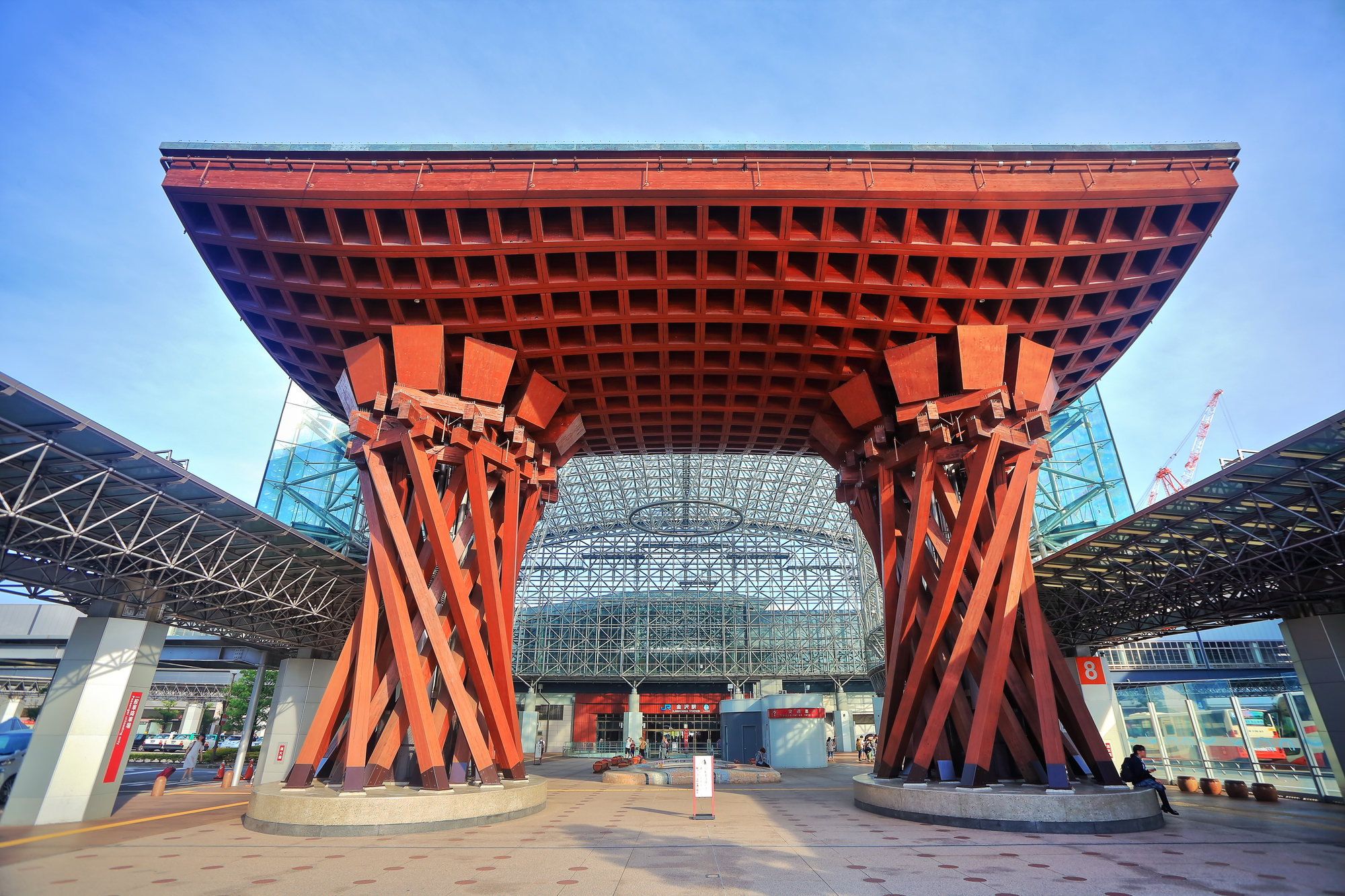
When it comes to places in Japan that offer a little bit of everything, Kanazawa is one that often flies under the radar. While cities like Tokyo and Osaka usually take the spotlight, Kanazawa offers plenty of other wholesome experiences.
Located in Ishikawa Prefecture along the Sea of Japan coast, Kanazawa is just about 2.5 hours from Tokyo by Shinkansen (Japanese bullet train). Getting from Tokyo to Kanazawa is straightforward, making it a convenient option for a short getaway or even a weekend escape. It is also a great stop if you are travelling from Nagoya to Kanazawa, with scenic detours to places like Takayama and Shirakawago.
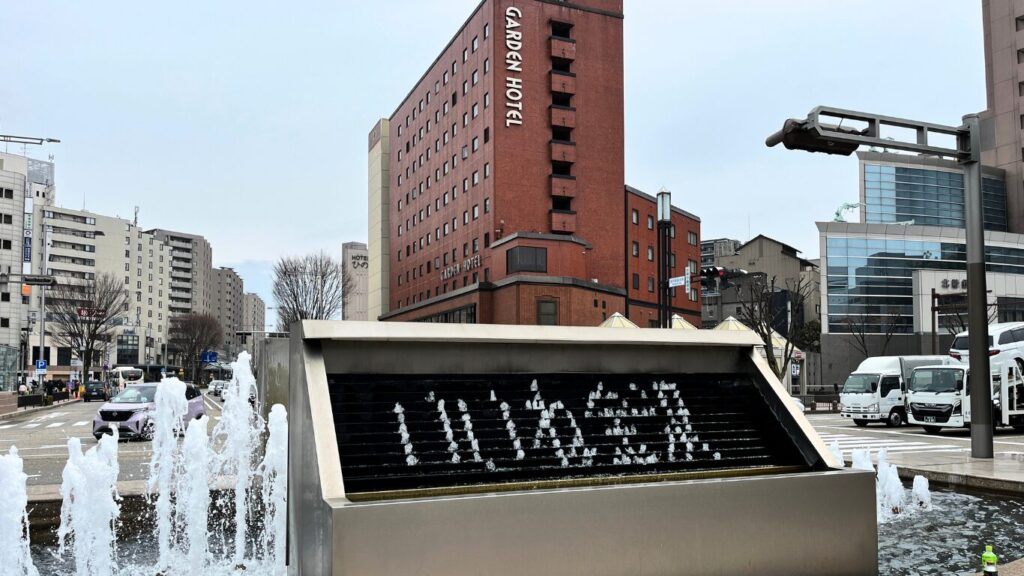
Most of the main attractions in Kanazawa are located within walking distance, making it easy to get around. Explore traditional districts such as the Higashi Chaya District, where you can get a sense of its samurai-era culture, alongside quiet teahouses and local markets where fresh seafood and street snacks await. Many of Kanazawa’s traditional buildings have remained largely untouched over the years and are well preserved, giving you a glimpse into the past.
We can help you experience Kanazawa on a deeper level through guided walks and thoughtfully curated itineraries. At Japan Navi Journey, our local guides bring you through the city while sharing insights into its history, culture, and local context, all in your preferred language.
The city is also known for its traditional crafts, especially gold leaf, which you will often see on desserts and souvenirs. In fact, most of Japan’s gold leaf is produced here. You can watch how it is made or even try applying it yourself through simple hands-on activities, adding a more interactive touch to the experience.
To round off the day, you can head out of the city to a nearby hot spring town and wind down in nature. We can help arrange private transport so you can travel there with ease.
Kanazawa is a great option whether you are travelling with family, friends, or in a corporate group. In this guide, we will walk you through what to do in Kanazawa, from key attractions to experiences you should not miss.
Continue reading to find out how to plan your Kanazawa trip, including options for private tours that can be arranged if you prefer a more curated experience.
Walking Through Kanazawa’s Historic Streets
Kanazawa has a long and rich history that dates back to the Sengoku period (Warring States period), a time when powerful warlords shaped the course of Japan. The city flourished under the rule of Maeda Toshiie, a samurai leader who served under the influential warlord Oda Nobunaga. He later developed Kanazawa into a thriving castle town.
Unlike many other cities in Japan, Kanazawa was largely spared from major wartime destruction, which is why much of its historical architecture and traditional streets are still well preserved today.
Here are some of the places where you can experience Kanazawa’s history and traditional charm.
Kanazawa Castle
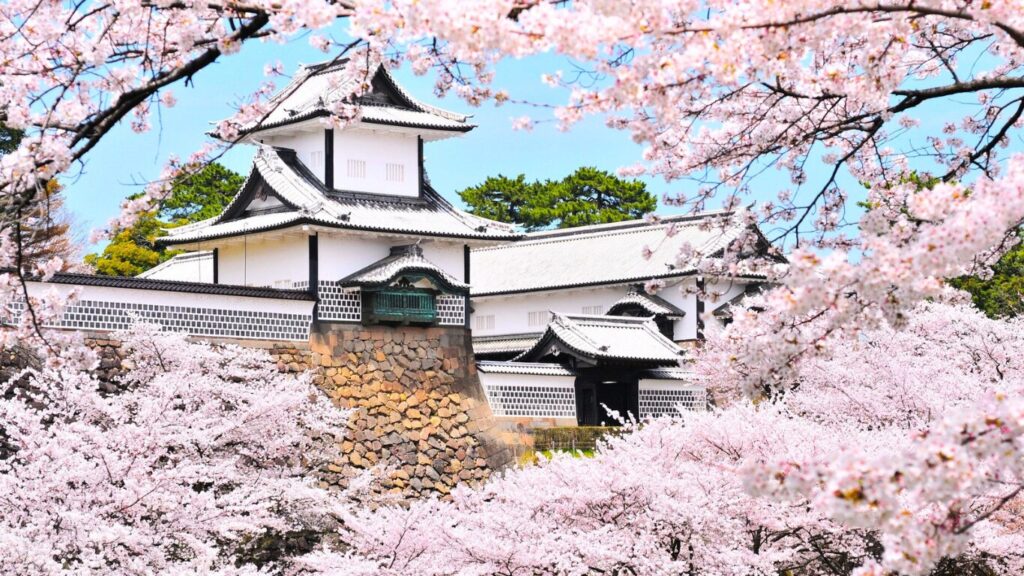
Kanazawa Castle is one of the must-visit spots if you are here. It is one of the city’s most popular historical attractions, with origins that trace back to the late 16th century. Before it became a castle, the site was originally a fortified temple complex linked to the Ikko sect, a group of Buddhist followers who held significant influence and power in the region. In 1583, the area was taken over and developed into a castle, marking the beginning of Kanazawa Castle as we know it today.
The castle later became the seat of the powerful Maeda clan, who ruled the Kaga region, one of the wealthiest areas in Japan during the Edo period (1603–1868). From then on, Kanazawa grew into a well-established castle town, with the castle serving as its political and cultural centre for centuries.
Over time, the castle was damaged by multiple fires, and only a few original structures remain today. However, parts of the castle have since been carefully restored using methods that reflect how they were originally built. There are also exhibits where you can learn more about how the castle was constructed and designed.
The castle is especially scenic during seasonal illuminations, particularly during cherry blossom season in spring and selected autumn evenings, when the buildings are lit up at night.
Kenrokuen Garden
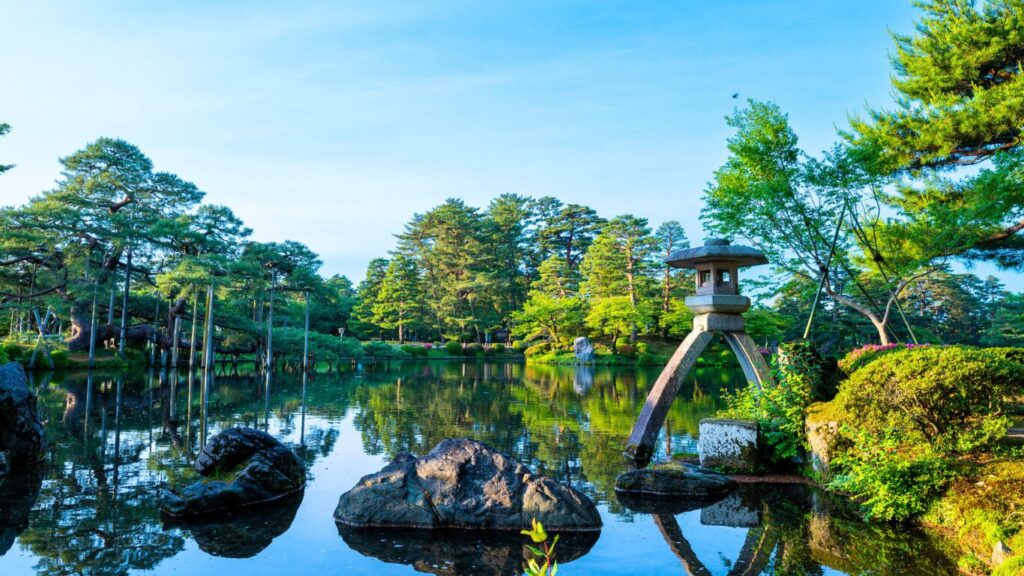
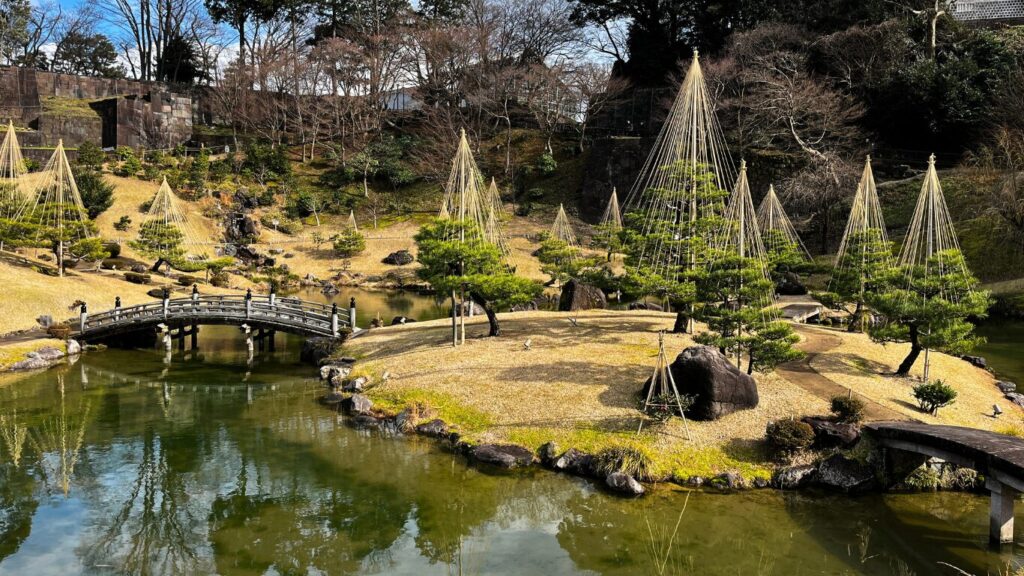
Immerse yourself in nature at Kenrokuen Garden, located just outside Kanazawa Castle. Known as one of Japan’s three most beautiful gardens, it is also one of the most popular attractions in Ishikawa and recently marked its 150th anniversary since opening to the public.
Come in any season and enjoy scenery that changes throughout the year. At the centre is Kasumigaike Pond, where reflections on the water create an almost painting-like view. Nearby, you will find the Kotoji Lantern(Kotoji-toro ), one of the garden’s most recognisable features, known for its distinctive two-legged design. Another highlight is the Karasaki Pine, often supported by ropes during winter to protect its branches from heavy snow, a seasonal sight many look forward to.
Stop for a break at one of the tea houses within the garden to enjoy matcha and traditional sweets while appreciating the view.
If you are visiting in the evening during seasonal light-up events in spring and autumn, both Kenrokuen Garden and nearby Kanazawa Castle offer a different experience. The garden paths and castle area are illuminated, making it a nice setting for a slow, romantic evening stroll.
Samurai Residences
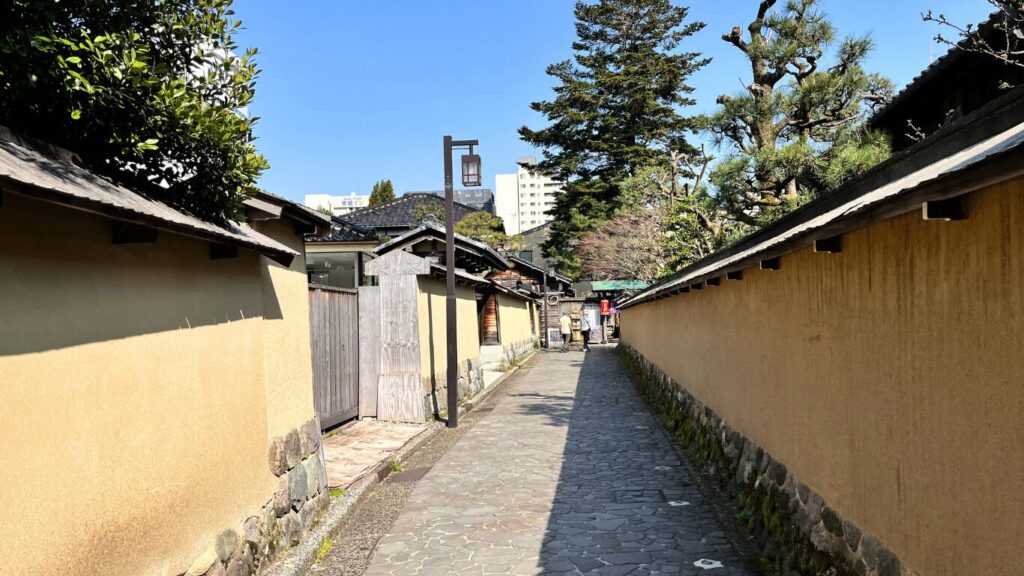
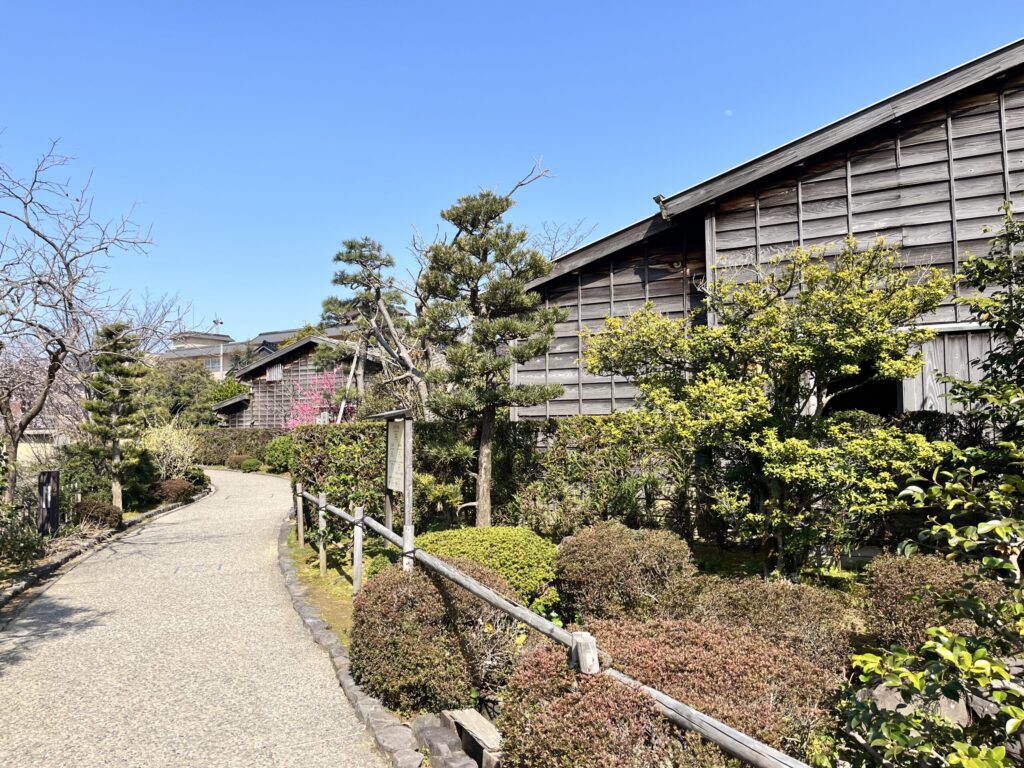
To see what life was like for samurai in Japan, head to the preserved districts in Kanazawa, especially the Nagamachi area. Walking through these streets, you’ll find traditional houses lined with mud walls, narrow lanes, and canals that still run through the neighbourhood. One of them is the Ono-sho Canal, the oldest irrigation canal in Kanazawa, which still flows through the district and into nearby gardens today.
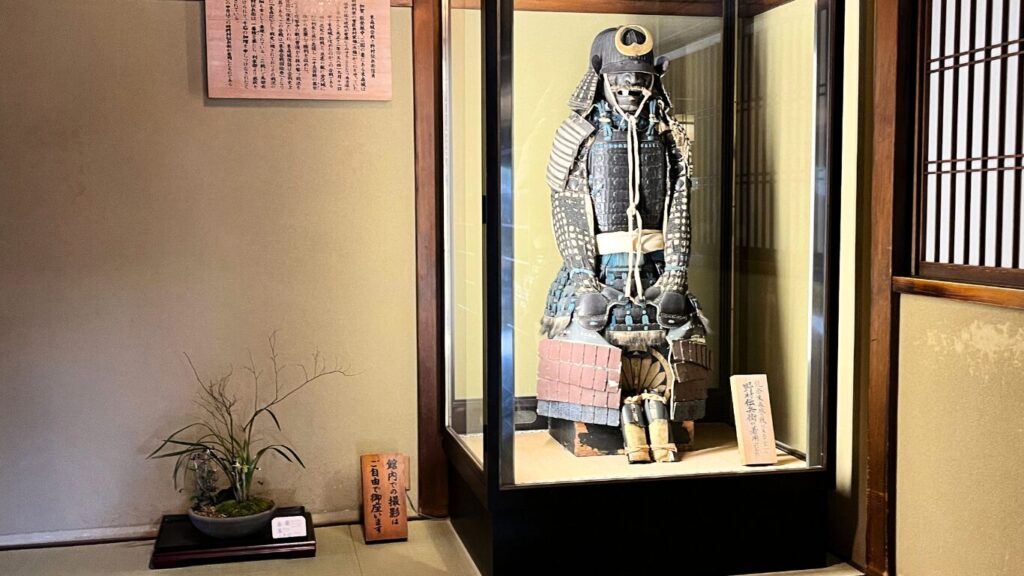
One of the key stops here is the Nomura Samurai Residence. This former samurai home is known for its beautifully designed Japanese garden, which has even received international recognition. An entrance fee is required to enter, where you’ll find traditional rooms, historical displays, and even armour that once belonged to the family.
Inside, you can also explore refined living spaces designed in the shoin style, a classic form of Japanese residential architecture. Some rooms feature detailed woodwork, painted sliding doors, and carefully designed interiors that reflect the status and lifestyle of the household. There is also a tea room on the second floor, where you can enjoy a cup of matcha while overlooking the garden.
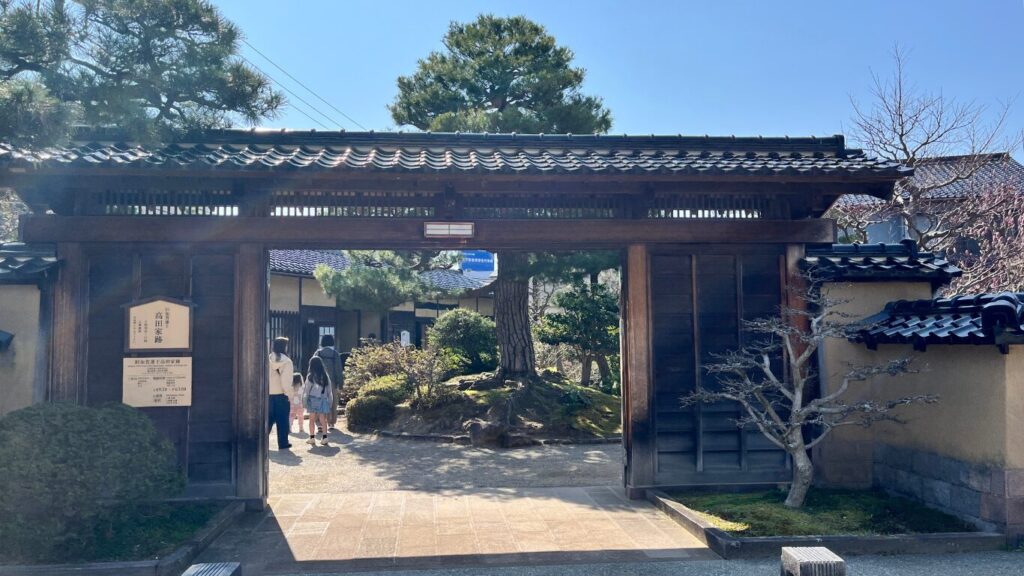
If you want to see a more modest side of samurai living, stop by the Former Takada Residence and the Ashigaru Museum, both of which are free to enter. These homes belonged to middle- and lower-ranking samurai, with more practical layouts including servant quarters, storage spaces, and long gatehouses that reflect their status at the time.
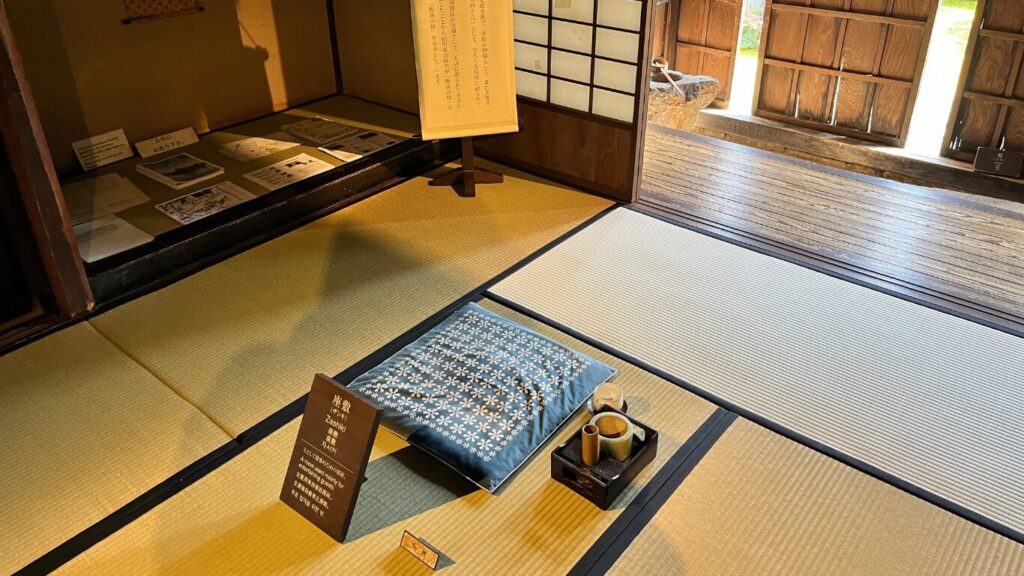
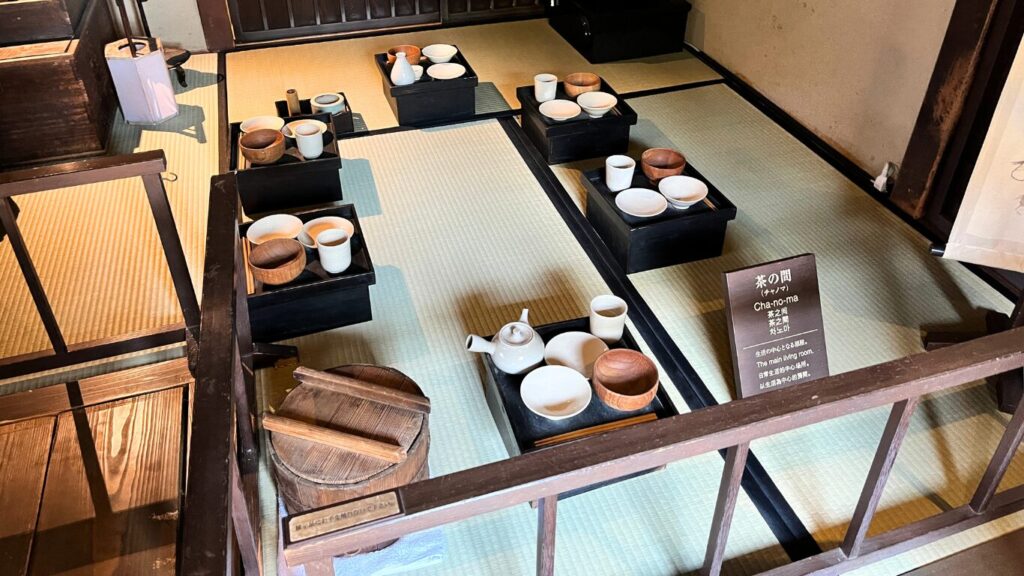
As you walk around the district, you’ll notice how different samurai homes were designed based on rank, from the structure of their gates to the materials used. Some even feature stone foundations similar to those seen at Kanazawa Castle. During winter, the mud walls are covered with straw mats to protect them from snow, a seasonal sight unique to this area.
Along the way, you’ll also find cafés to grab a quick bite and local craft stores where you can pick up souvenirs.
Higashi Chaya Street
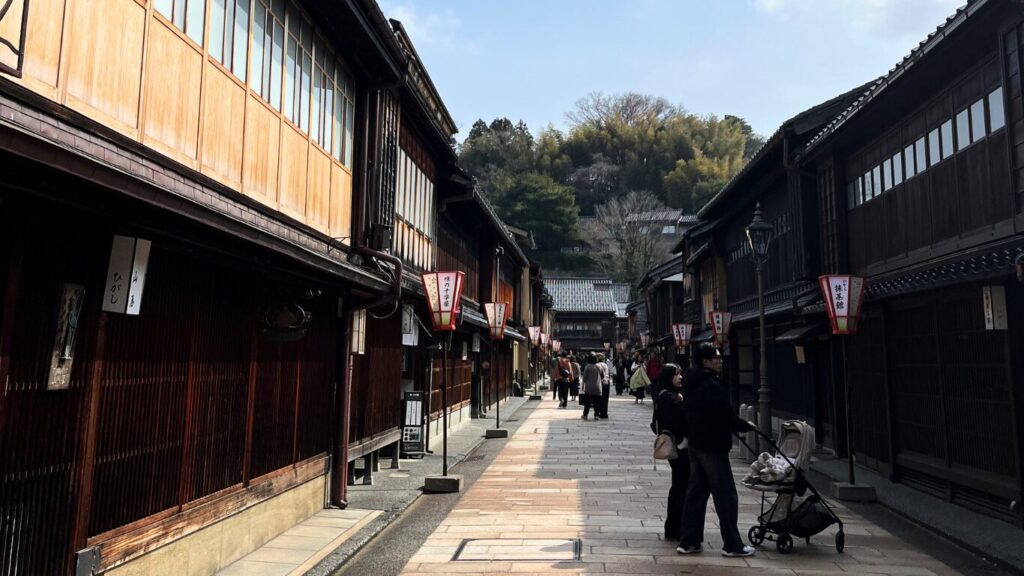
Kanazawa has three main teahouse districts, Higashi, Nishi, and Kazuemachi, where you can experience its traditional teahouse and geisha (traditional Japanese female entertainers trained in performing arts) culture. Among them, Higashi Chaya District is the largest and most visited of the three. It is also one of the most recognisable cultural districts in Kanazawa, Japan.
If you want to feel like you’ve stepped back into Japan’s feudal era, the Higashi Chaya District is one of the best places to start. With its wooden lattice buildings and preserved streets, the area has a nostalgic charm that gives you a sense of what the city was once like.
The district dates back to the Edo period (1603–1868), when teahouses from around the city were gathered here and formed into a lively entertainment area where geisha performances were once held. You can step into historic teahouses such as Shima, where the interiors have been carefully maintained in their original style.
Get your cameras ready, as you can rent a kimono and walk through the streets for photos. You will also find cafés, traditional sweet shops, and gold leaf desserts, which Kanazawa is especially known for.
A short walk towards the backstreets will bring you closer to the Asano River, where you can find scenic photo spots.
Evening Experiences in Kanazawa
While cities like Tokyo and Osaka are often known for their lively nightlife, Kanazawa offers a slightly different experience.
Getting around in the evening is still manageable, with local buses (Kanazawa Light up Bus) running through key areas and making stops near popular attractions.
Instead of rushing from one place to another, evenings here can be a mix of slow strolls and lively streets. Areas like the Higashi Chaya District feel completely different after dark, with fewer crowds and a quieter setting. As you walk through, you might even catch the faint sound of traditional music drifting from a teahouse.
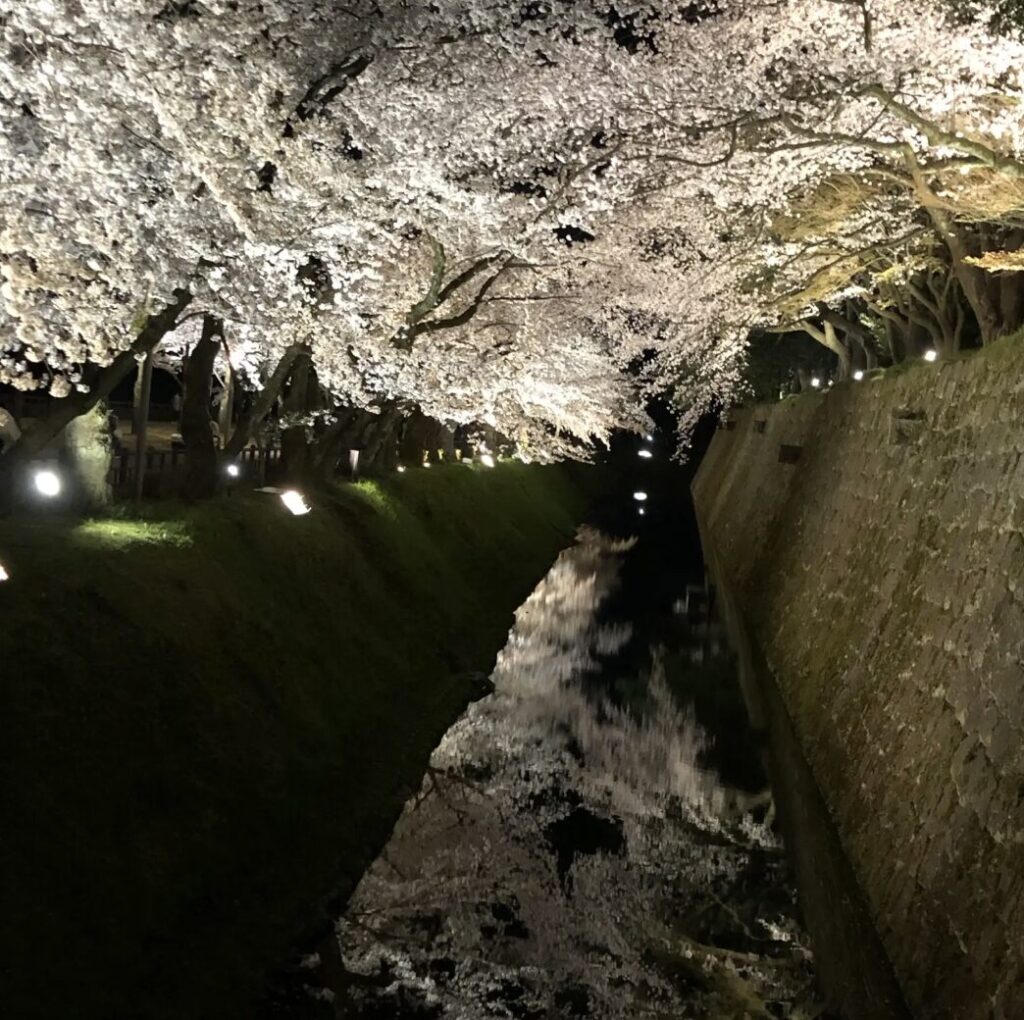
If you prefer something more scenic, head towards Kanazawa Castle Park in the evening. The area is lit up after dark, allowing you to enjoy a different view compared to the day. Kenrokuen Garden also has seasonal light-ups, where highlights like the Kotoji-toro Lantern and Karasaki Pine are illuminated, making it worth visiting again in the evening.
For something a little livelier, the Katamachi area is where you’ll find a concentration of restaurants and bars. The streets are lined with small eateries and cosy spots where people gather after work for a meal and drinks. It’s a more chill and relaxed way to experience nightlife.
Things to Do Beyond Sightseeing in Kanazawa
If you think Kanazawa is just about historical streets and sightseeing, there’s actually a lot more you can do here. From hands-on cultural activities to local food spots, these experiences offer a different side of the city, making your trip feel more well-rounded.
Gold Leaf Workshops
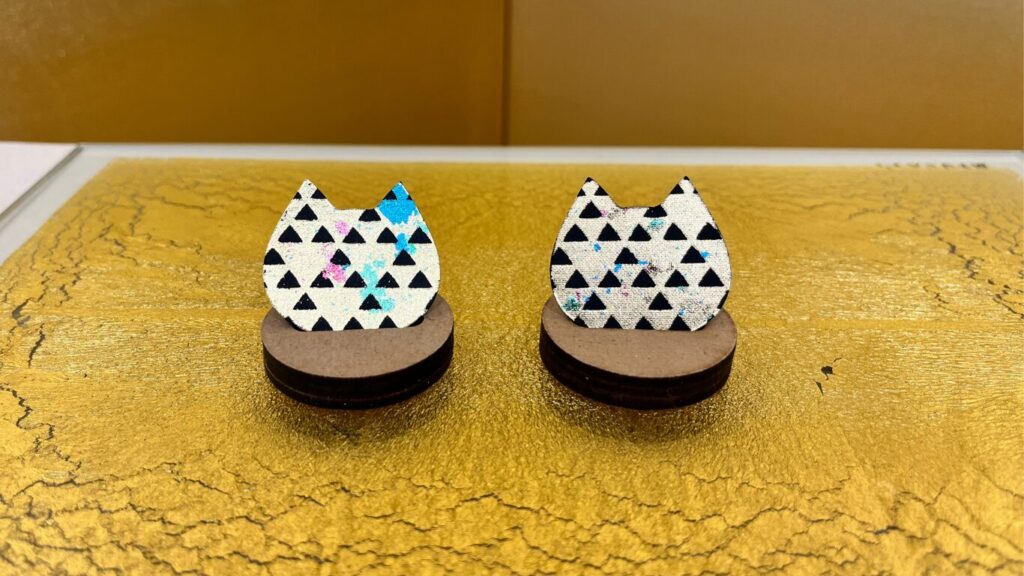
One of the first things you should do is try your hand at Kanazawa’s signature craft. Kanazawa produces most of Japan’s gold leaf, so this is one experience you shouldn’t miss. Around the city, you’ll find workshops where you can apply delicate sheets of gold leaf onto items like chopsticks, plates, or small souvenirs.
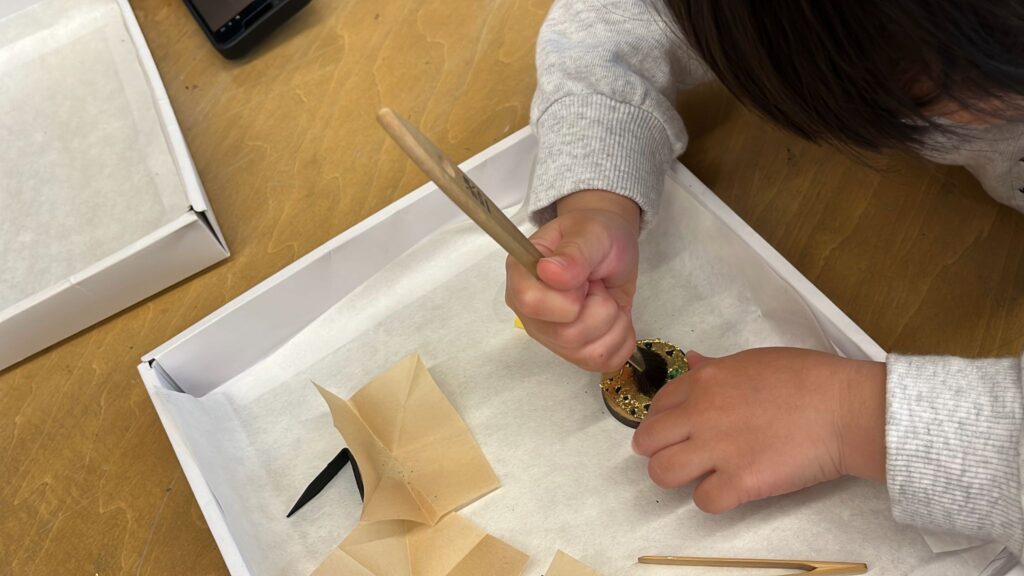
Some of the workshops offer simple sessions where the process is easy to follow. You can choose a design, peel off pre-cut stickers, apply the gold leaf, and brush away the excess. Depending on the item, young children can take part, making it an activity suitable for all ages. It is also a good option if you are travelling in a group, as the sessions are usually short and easy to follow, making it simple to fit into your itinerary.
What makes gold leaf especially unique is how thin it is. A small piece of gold can be stretched to the size of a tatami mat, and when held up to the light, it is so fine that you can almost see through it. It may look easy, but it actually takes a steady hand to get it right, which makes it a rewarding activity to try.
A Craft Shaped by History and Precision
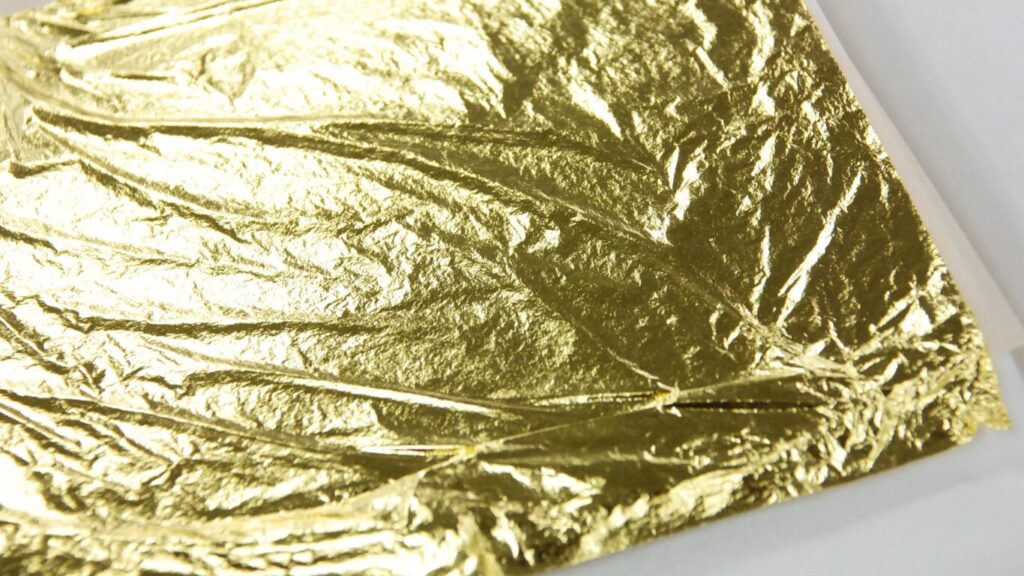
Gold leaf in Kanazawa isn’t just something pretty you see on desserts or souvenirs, it actually has a long backstory. It’s said that gold leaf production here started in the late 1500s, when Maeda Toshiie, the ruler of the Kaga Domain, brought the craft into the region. Back then, gold wasn’t just decorative, it was used to show power and status, especially in castles and ceremonial items.
Things got a bit more interesting later on. When gold leaf production was restricted to certain cities like Kyoto and Edo, craftsmen in Kanazawa continued working on their techniques quietly. With limited materials, they focused on refining their skills, which is why the quality here became so well known over time.
Another reason why Kanazawa became the centre for gold leaf production comes down to its natural environment. The city’s climate, with its stable humidity and temperature, along with access to high-quality water, created the right conditions for producing such delicate material. These factors helped artisans maintain consistency and precision in their work, something that is still important in the process today.
Fast forward to today, and that same level of precision is still part of the process. Each sheet of gold leaf is carefully hammered down to an incredibly thin layer, something you’ll notice when you try it yourself. It may look simple during a workshop, but it actually takes years of practice to get it right.
If you’re exploring areas like Higashi Chaya District, you’ll also come across gold leaf soft serve and desserts. Some spots even let you try applying the gold leaf onto your ice cream, adding a fun twist to the experience.
Traditional Crafts
If you’re looking to explore more of Kanazawa’s craft scene, lacquerware is another one to look out for. Often referred to as Kaga lacquerware, these pieces are known for their smooth finishes, detailed designs, and use in everyday items like bowls, trays, and tableware.
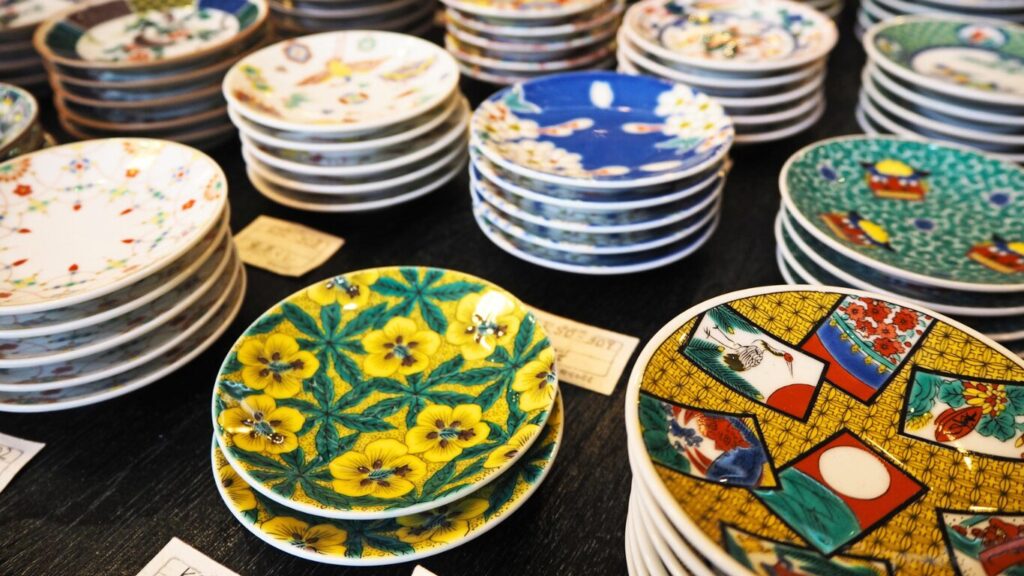
Craft culture in this region dates back to the Edo period (1603–1868), when the Maeda clan supported the development of arts and craftsmanship across the Kaga Domain (historic feudal domain ruled by the Maeda clan). Over time, this led to the growth of traditional crafts such as Kutani ware (traditional Japanese porcelain from Ishikawa) and Kaga Yuzen (hand-dyed silk textile technique), alongside lacquerware and gold leaf.
You’ll find shops and galleries around the city where these pieces are displayed and sold, ranging from simple designs to more intricate works. Some places also offer short workshops, where you can try decorating your own lacquerware item, giving you a closer look at the process behind each piece. It also gives you a better appreciation of the time and skill involved in making these items, which you might not notice at first glance.
21st Century Museum of Contemporary Art,Kanazawa
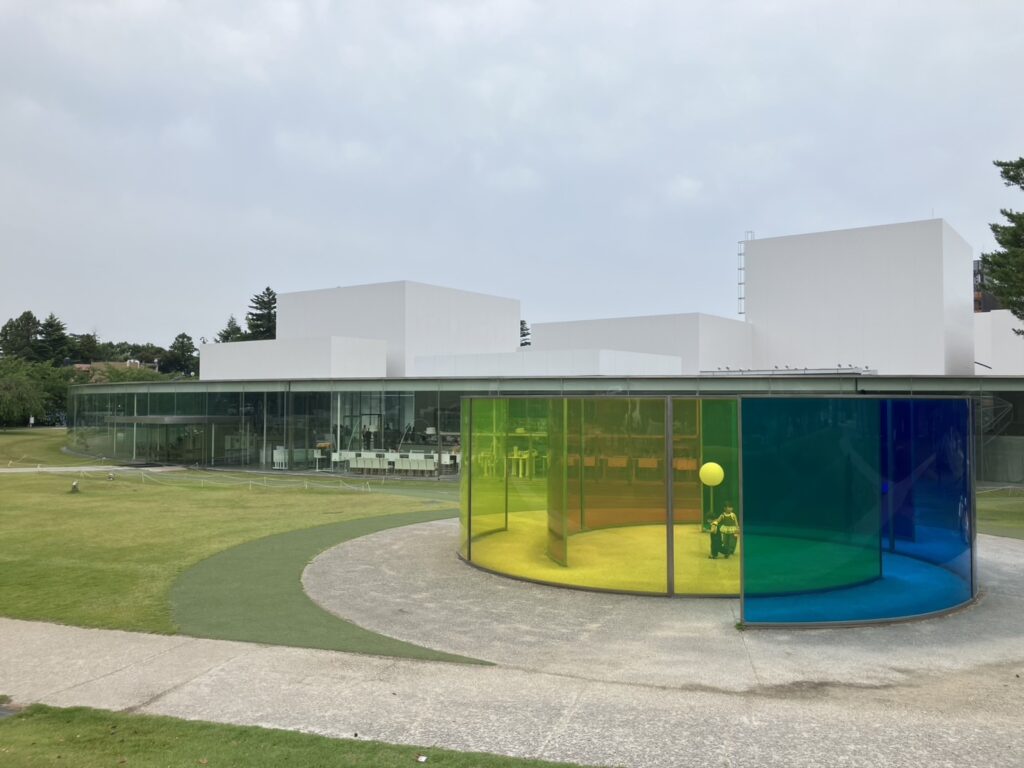
If you’re into art, the 21st Century Museum of Contemporary Art,Kanazawa might be right up your alley. Located in the city centre, this museum is one of Kanazawa’s most popular attractions, featuring works by both Japanese and international artists.
What makes it stand out is not just the art, but the building itself. Designed by SANAA, a Pritzker Prize-winning architecture firm, the museum has a circular layout without a fixed front entrance. The building is largely made of glass, with the intention of blending into the city around it.
Inside, you’ll find different galleries to explore, along with an art library, and a café for a quick coffee break.
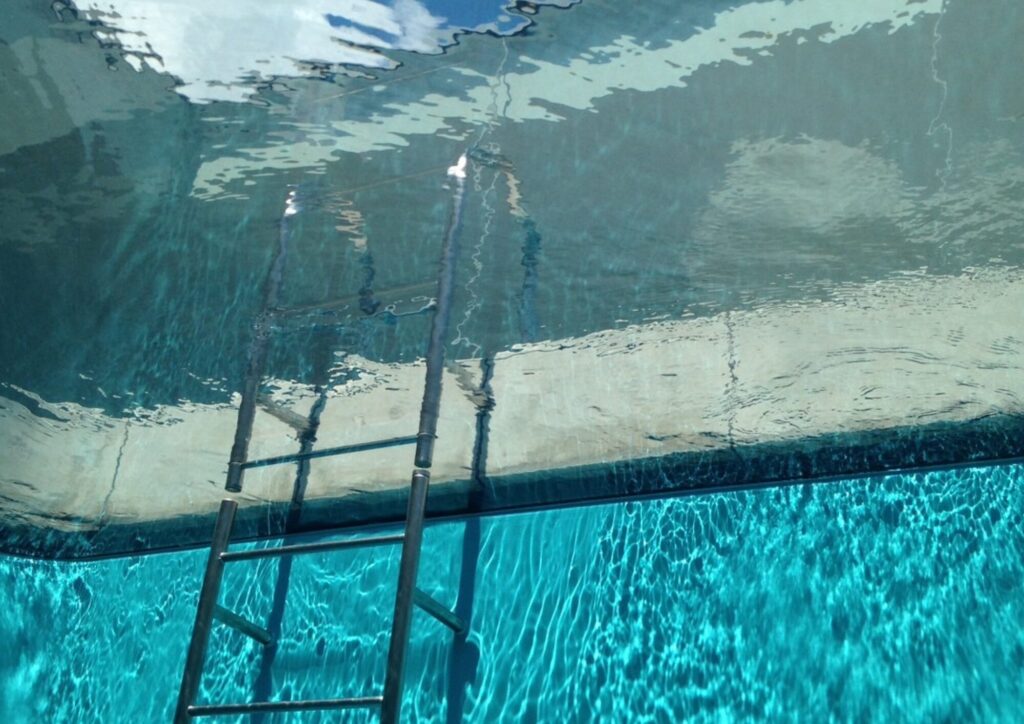
One of the highlights here is the Swimming Pool installation by Leandro Erlich. From above, it looks like people are standing at the bottom of a pool, but once you head down, you’ll realise you can step inside and experience the space as if you are underwater.
Omicho Market
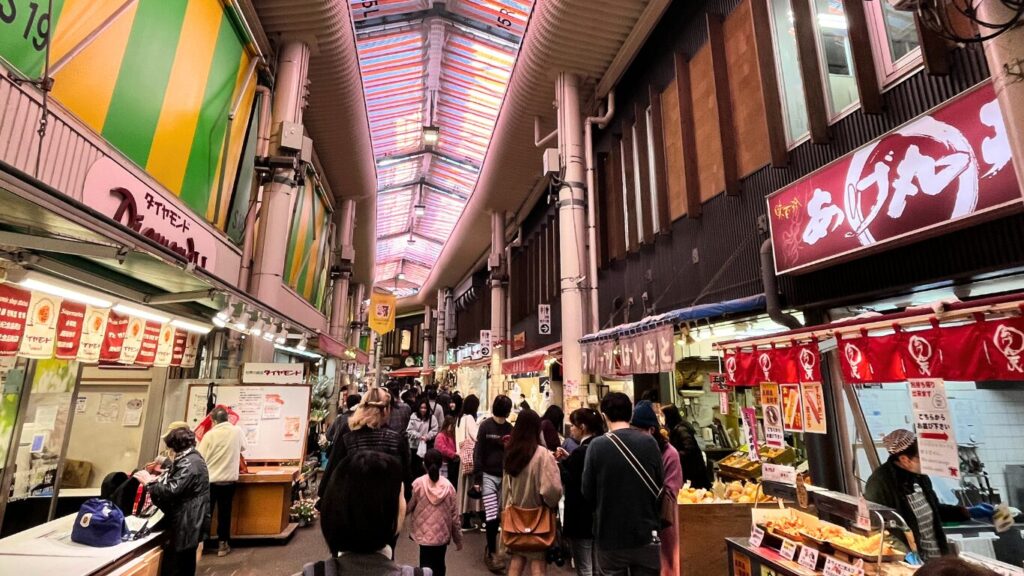
If you’re looking for good food in Kanazawa, don’t miss Omicho Market. Located in Musashigatsuji, this market has been around for over 300 years and is often referred to as “Kanazawa’s kitchen,” once serving the Maeda family of the Kaga Domain (historic feudal domain ruled by the Maeda clan).
The market is popular with locals, and you’ll find rows of stalls selling everything from fresh seafood to locally grown vegetables, fruits, and traditional snacks.

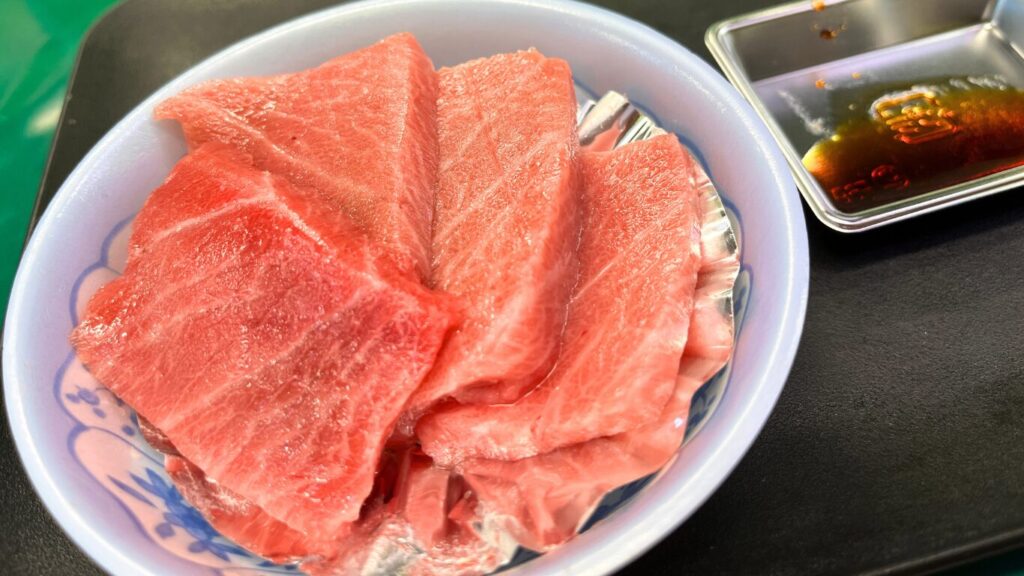
One of the best things to do here is to try the seafood on the spot. From fresh Pacific oysters to slices of tuna sashimi, the seafood is known for its freshness and natural sweetness. You’ll also find fried snacks like croquettes that are served hot and crispy.
It is important to note that eating while walking is prohibited within the market. There are several eat-in spaces and shared rest areas available, so you can enjoy your purchased food and drinks in those designated spots.
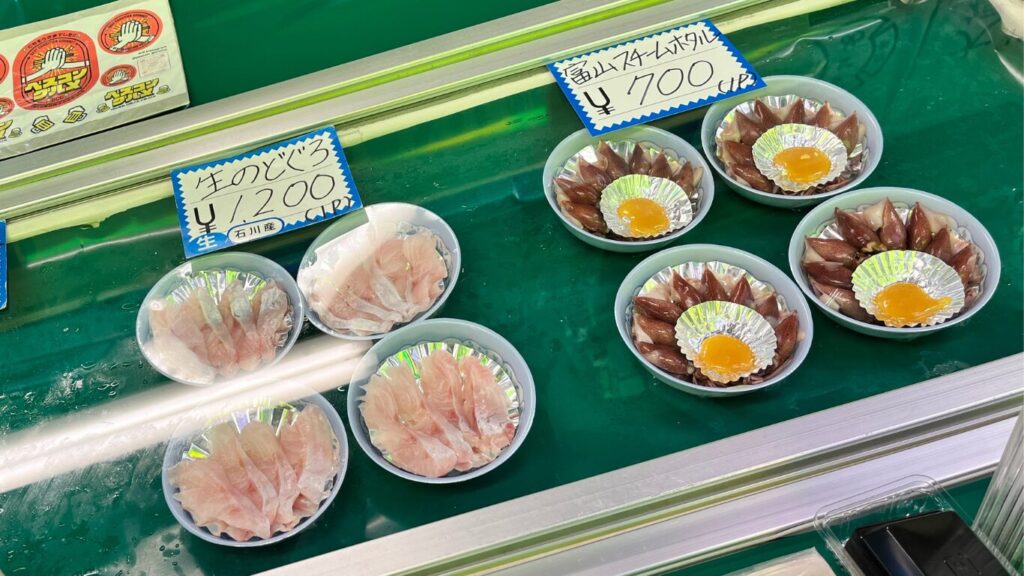
Popular stalls, especially those selling seafood bowls, often draw long queues, so it’s best to head down early if you want to avoid the wait. Many shops open from as early as 7am, with locals already filling the market from the morning.
A relaxing hot spring escape after a day in Kanazawa
After checking off the main sights in Kanazawa, one thing you should definitely try while you’re in Japan is visiting an onsen (Japanese hot spring bath). Ishikawa Prefecture is home to several well-known onsen areas, including Kaga Onsenkyo, Yamashiro Onsen, Yamanaka Onsen, and Wakura Onsen, many of which have been around for hundreds of years.
Yamanaka Onsen
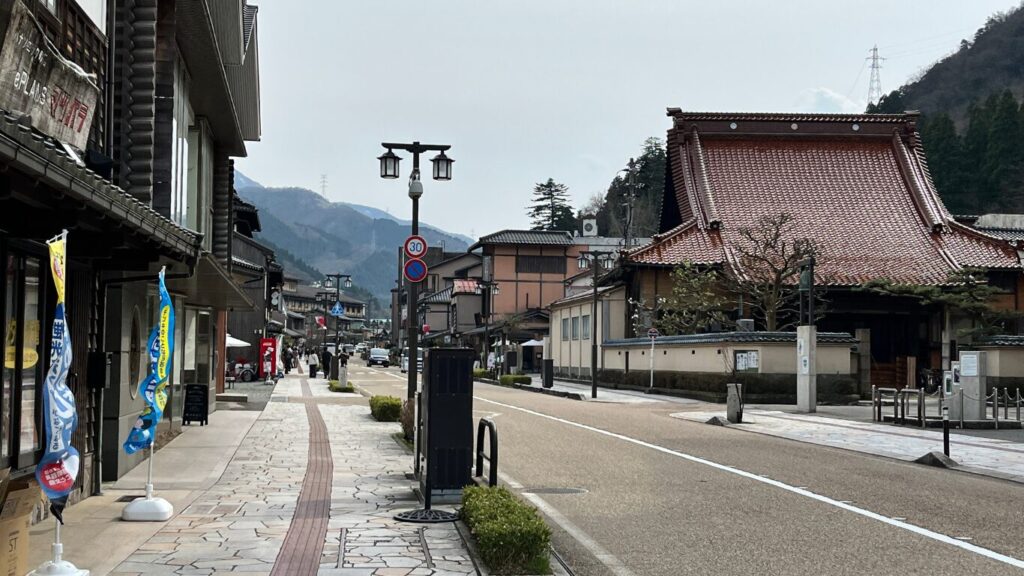
Yamanaka Onsen is one of the more accessible hot spring towns from Kanazawa in Ishikawa, located about an hour away by car. Set within a mountainous valley, it’s believed to have been discovered over 1,300 years ago during the Nara period by a Buddhist monk named Gyoki, making it one of the oldest onsen (Japanese hot spring bath) towns in the region.
Over time, it became more than just a place for hot springs, with its surroundings often described as something you might see on a postcard. Even the famous haiku (traditional Japanese short-form poetry) poet Matsuo Basho spent time here in the 1600s, drawn to its natural beauty. His writings helped bring attention to the area, and today, you will still find references to his work around the town.
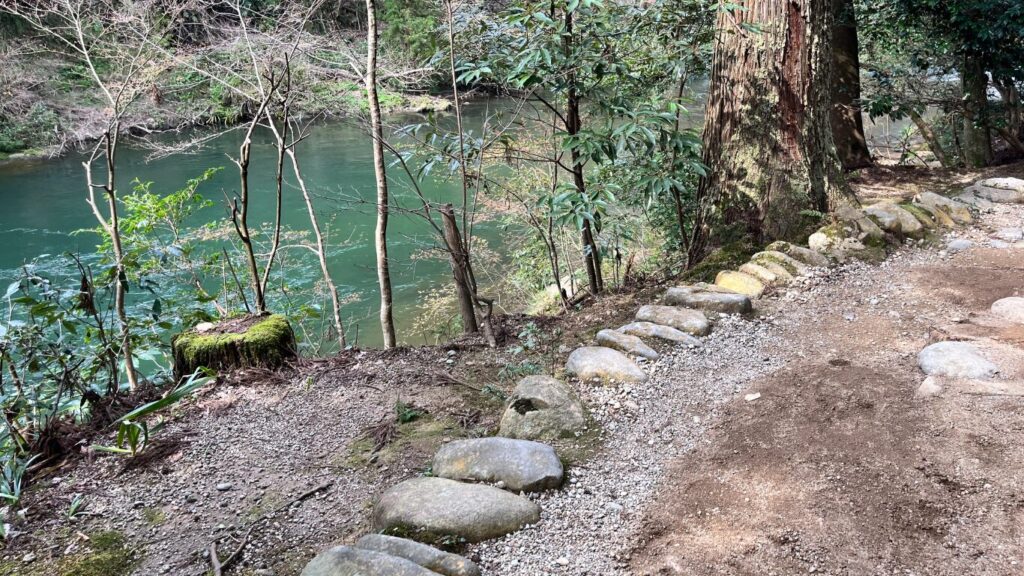
Besides the onsen (Japanese hot spring bath) itself, there are also several scenic spots worth exploring. One of the main highlights is Kakusenkei Gorge, where a walking trail runs alongside the river through the valley. It’s an easy and enjoyable route, with views that change throughout the seasons, especially during autumn when the foliage begins to turn.
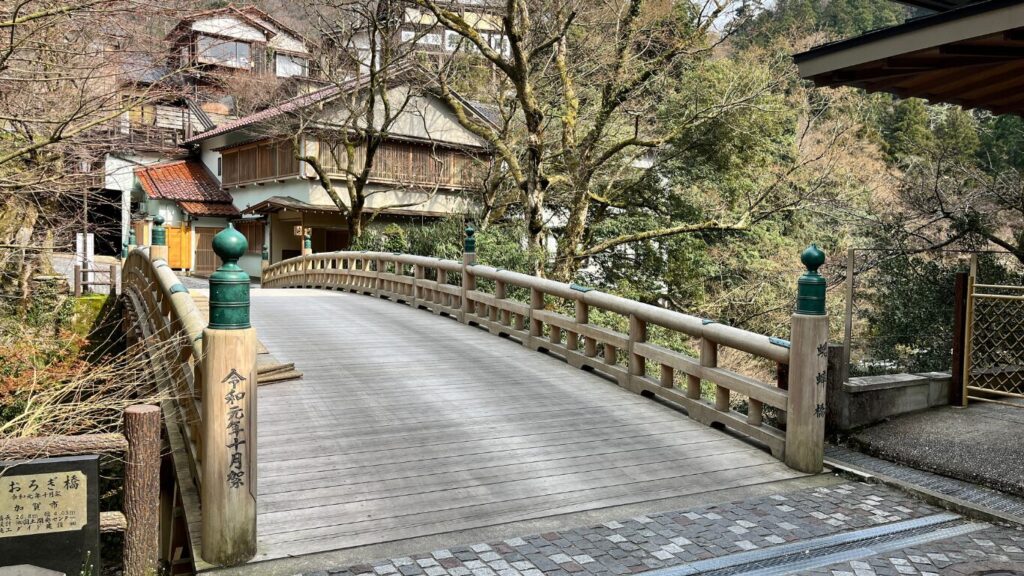
As you make your way through the gorge, you’ll come across Koorogi Bridge overlooking the river, as well as Ayatori Bridge, known for its distinctive curved design. Have your camera ready as you walk through, with scenic views appearing at almost every turn.
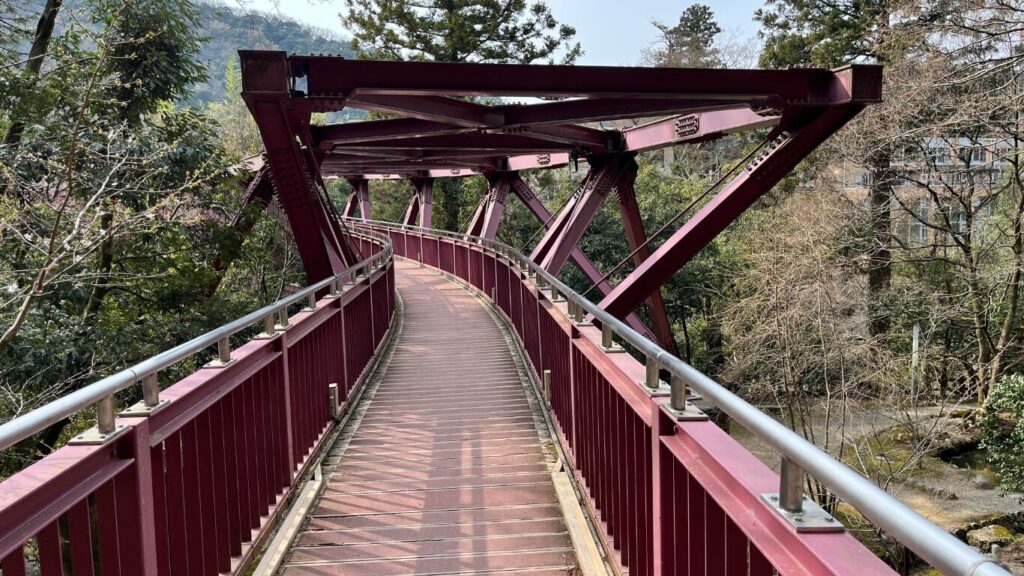
Around the town, you’ll also find small touches of local culture, from public footbaths where you can take a quick break, to specialty shops selling Kutani ware, a style of colourful Japanese porcelain known for its intricate patterns and bold designs. This town is also known for its strong craft heritage, particularly Yamanaka lacquerware (traditional Japanese lacquerware craft), which has been produced here for centuries and remains one of Japan’s leading lacquerware styles.
Of course, the main reason to visit is the onsen (Japanese hot spring bath) itself. The hot spring waters here are mineral-rich and are said to help with muscle aches and fatigue.
If you are planning to stay the night, there are ryokans (traditional Japanese inns) available where you can enjoy tatami-style rooms, seasonal meals, and access to both indoor and outdoor baths. Many also offer rooms with private baths for a more intimate experience. However, there are also public bathhouses available for day use if you’re only there for a short visit.
And while you’re here, don’t miss out on the food. Although it’s set in the mountains, Yamanaka Onsen is close to the Sea of Japan, so you’ll find fresh seafood such as crab, yellowtail, and sweet shrimp on many menus, depending on the season.
Kanazawa may not be as talked about as some of Japan’s bigger cities, but it offers a good mix of sightseeing, culture, and hands-on experiences.
From its traditional districts to its food scene and nearby onsen (Japanese hot spring bath) towns, there’s more here than meets the eye.
If you’re planning to explore a different side of Japan, Kanazawa is a good place to start.
Planning Your Trip
If you are planning a trip to Kanazawa or other parts of Ishikawa and Japan, there are options for private, customised tours to help you make the most of your time. We offer flexible itineraries tailored to your interests, so you can focus on the places and experiences you want to prioritise.
We can also arrange private experiences that may not always be easy to book on your own, including exclusive venue access and curated activities. These can be adapted to suit different travel needs, whether you are travelling as a family, with a group, or for corporate trips.
These experiences can also be planned in advance, so you do not have to worry about last-minute availability.
For certain experiences and restaurants, it is best to make a reservation in advance, especially during peak travel seasons. We can assist with these arrangements to help ensure a smoother trip.
Getting around Kanazawa is manageable, but planning your routes in advance can help you save time. For example, it is about a 16-minute walk from Omicho Market to the samurai district, though the route is quite straightforward with limited sights along the way. In this case, taking a private car can help you save time and make the most of your itinerary.
On the other hand, walking from the samurai district to Kenrokuen Garden is recommended, as there are several attractions along the way, including the 21st Century Museum of Contemporary Art,Kanazawa.
If you would like help planning your trip, get in touch with us here to find out more.
The next time you are in the Land of the Rising Sun, don’t just stick to the usual favourites. Take some time to explore places outside the main cities. You might just discover something you did not expect. Check out our travel guides for more inspiration.