
What We Experienced in Wakayama, Japan: Nature, Trails and Pilgrimage Routes
-
Wakayama
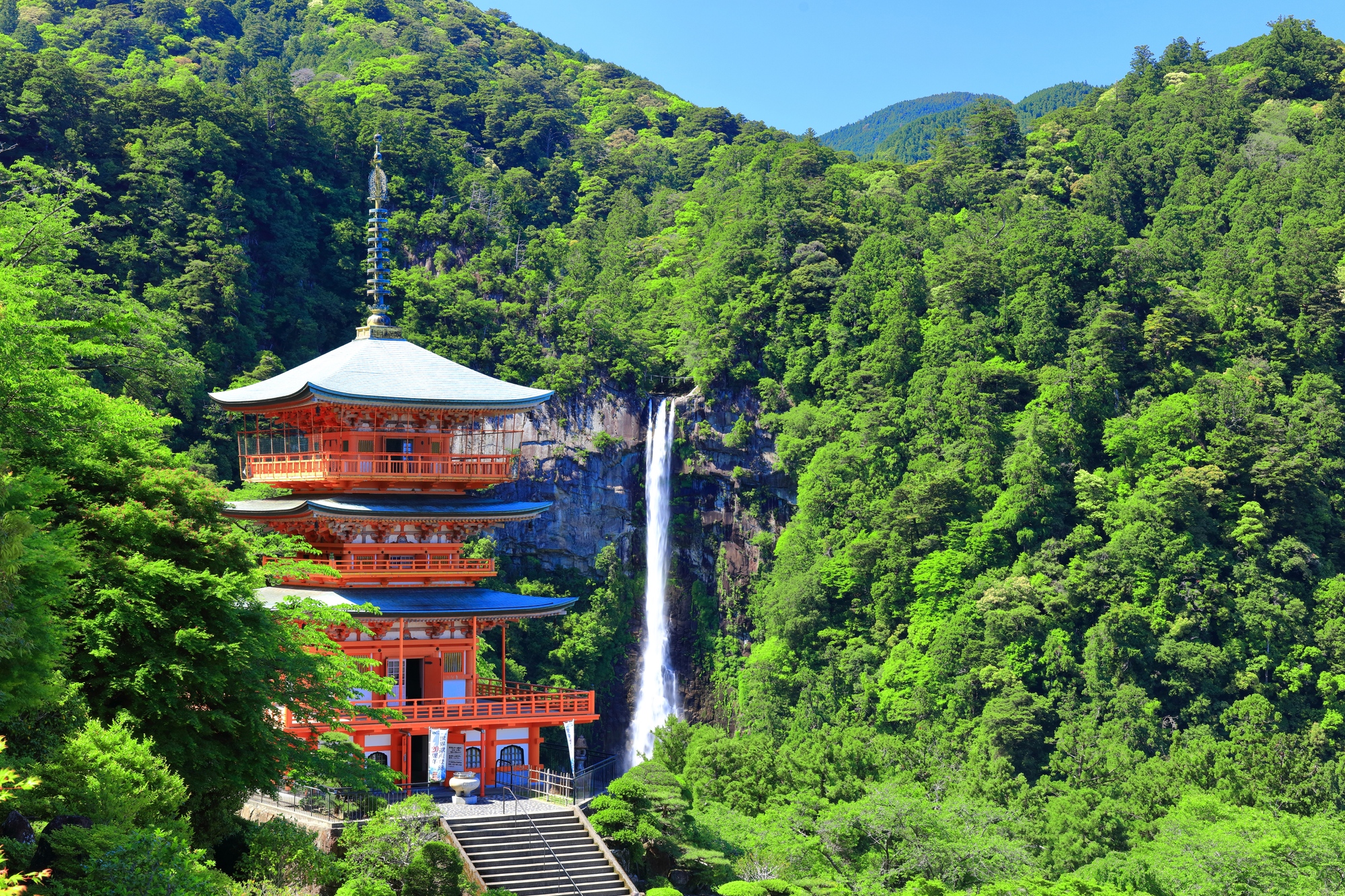
It’s not always easy deciding where to go next in Japan, especially after covering the more popular cities. Once we have checked off the main highlights, the question becomes what comes next, and where we can find something different without going too far off the map. Just south of Osaka, Wakayama offers exactly that kind of alternative.
Located about an hour from Kansai International Airport, Wakayama Prefecture is easily accessible whether by train or private car service.
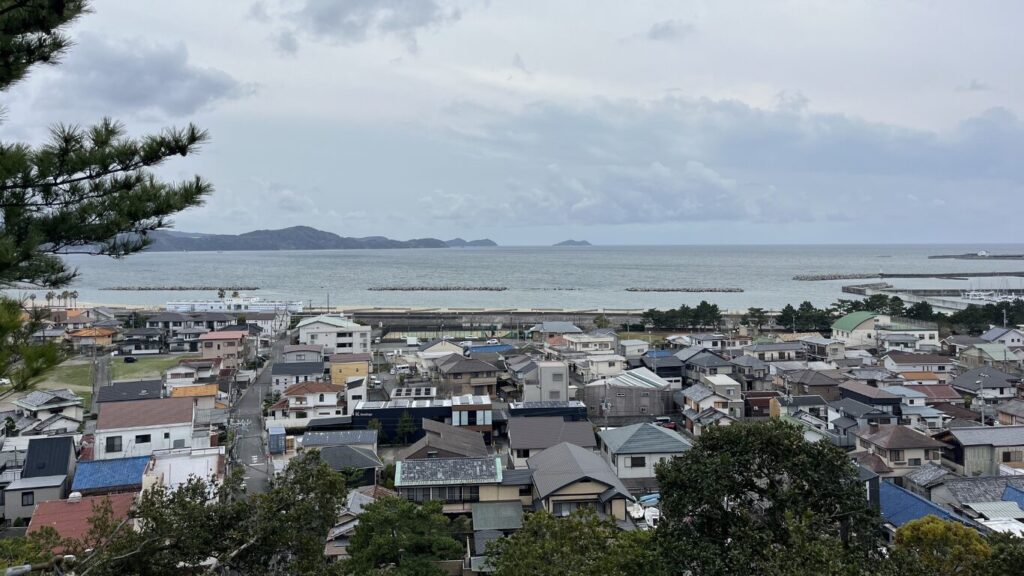
Stretching from north to south, the region brings together the sea, mountains, and rivers in one place, which means there is quite a variety of things to see and do. From onsen (Japanese hot springs) and scenic coastal views to cultural activities and local food, there is a good mix of experiences throughout. Some of you may already be familiar with Shirahama, a coastal resort area known for its beaches and hot springs, but beyond that, there are many other parts that feel just as rewarding, if not more.
Another thing we noticed is that Wakayama is not limited to a specific season. Whether visiting in spring, autumn, or even outside peak travel periods, there are activities that can be enjoyed throughout the year.
In spring and autumn, the weather is great for visiting the Kumano Kodo pilgrimage route, a UNESCO World Heritage site, or even going for a cycling route around the area. Summer is when things get a bit more lively, with activities by the sea and rivers, along with seasonal highlights like fireworks and the Nachi Fire Festival. In winter, it’s all about enjoying hot springs and seasonal food, with unique experiences like the Sennin-buro, a large open-air bath created by damming a river.
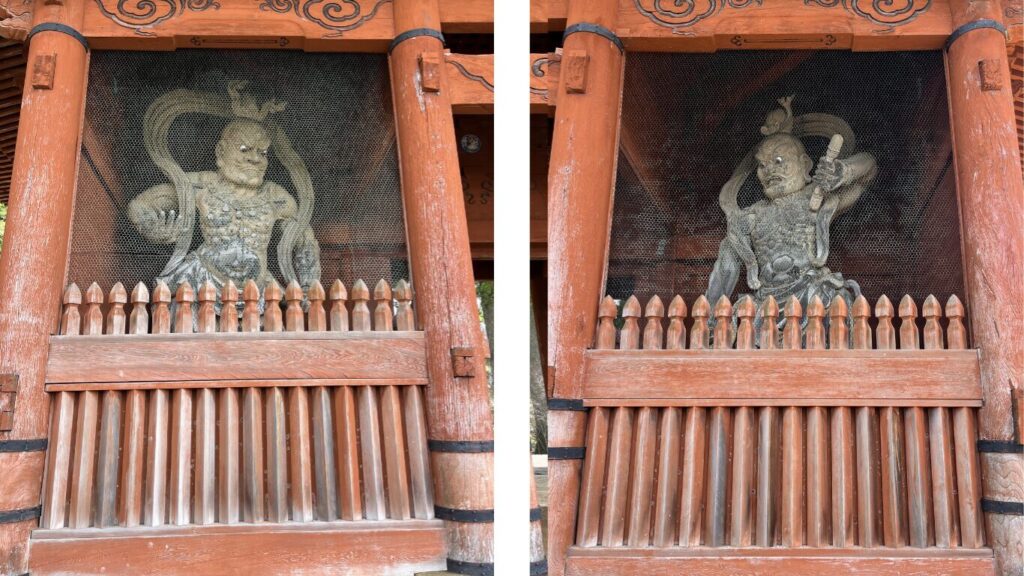
During our time here, our Japan Navi team explored places like Koyasan (Mount Koya) and the Kumano Kodo pilgrimage route to better understand the experience and share what it is really like. Both offer a different perspective of the region, from historical landmarks and coastal scenery to spiritual retreats and nature trails. Wakayama feels like a slower, more restorative trip that goes beyond the usual shopping-focused travel.
Planning your Wakayama trip already? Chances are you’ve got a few tabs open and your itinerary in the works. We know planning can get a little overwhelming, but we’re here to help. At Japan Navi Journey, we help plan your Japan trips and tailor each trip to your preferences, from transport to local experiences that match your travel style. Scroll on to see what we did in Wakayama and find out more about our customisable private tours.
Highlights from Wakayama City
We kicked off our trip in Wakayama City, the capital of the prefecture, and it turned out to be a solid introduction to what Wakayama has to offer. With both the sea and mountains nearby, you get a nice mix of scenery, from coastal views to greenery and historical spots, all within reach.
Wakayama City started out as a castle town under the Kishu Tokugawa family, a powerful feudal family that governed this region. They were one of the three main branches of the Tokugawa clan, the ruling shogunate that led Japan during the Edo period (1603–1868), and you can still notice traces of that past around the city today.
If you’re planning your time here, these are some of the spots we checked out and think are worth adding to your list.
Wakayama Castle
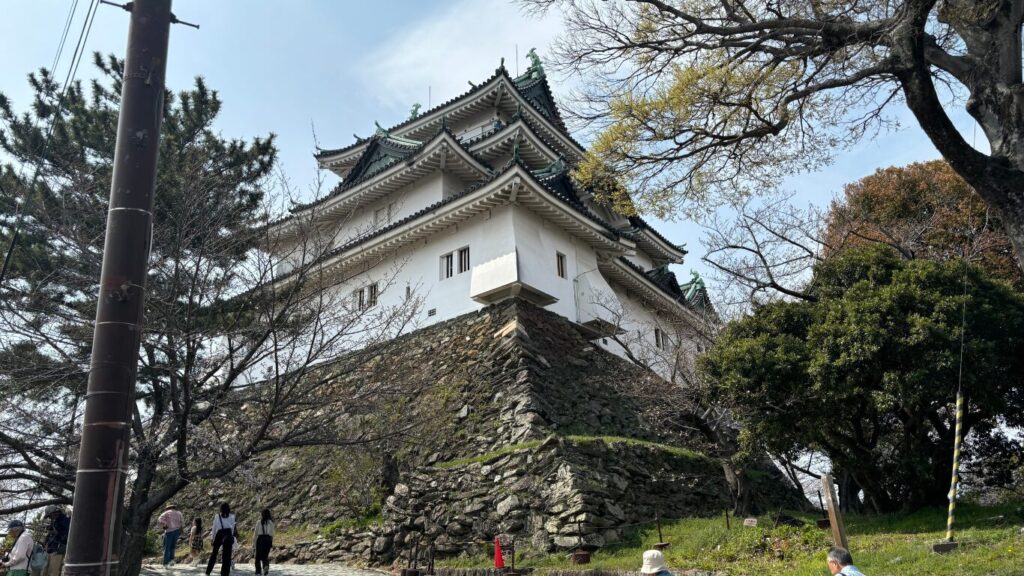
Of course, we couldn’t miss Wakayama Castle, especially since it sits right in the centre of the city and is one of its most recognisable landmarks.
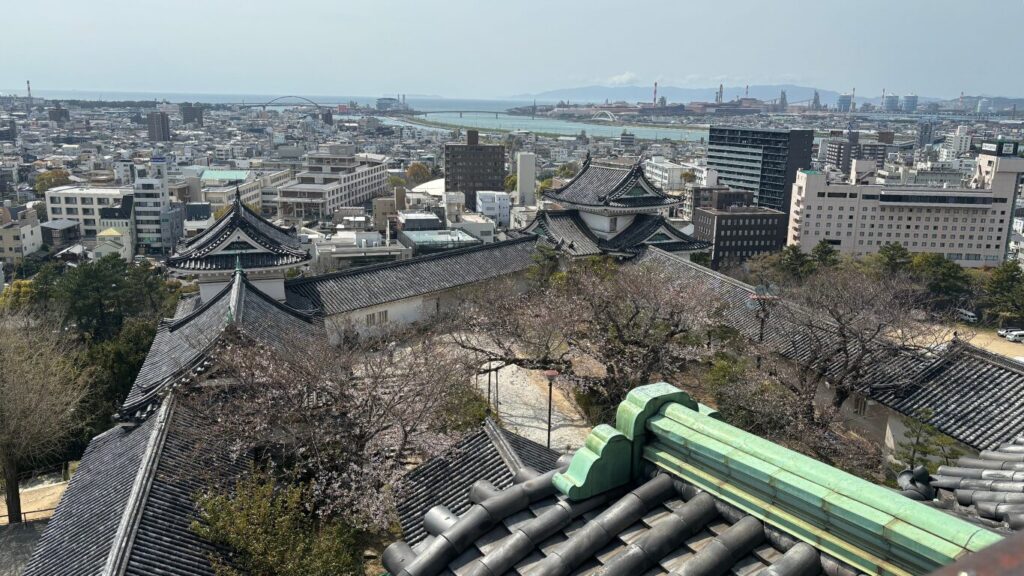
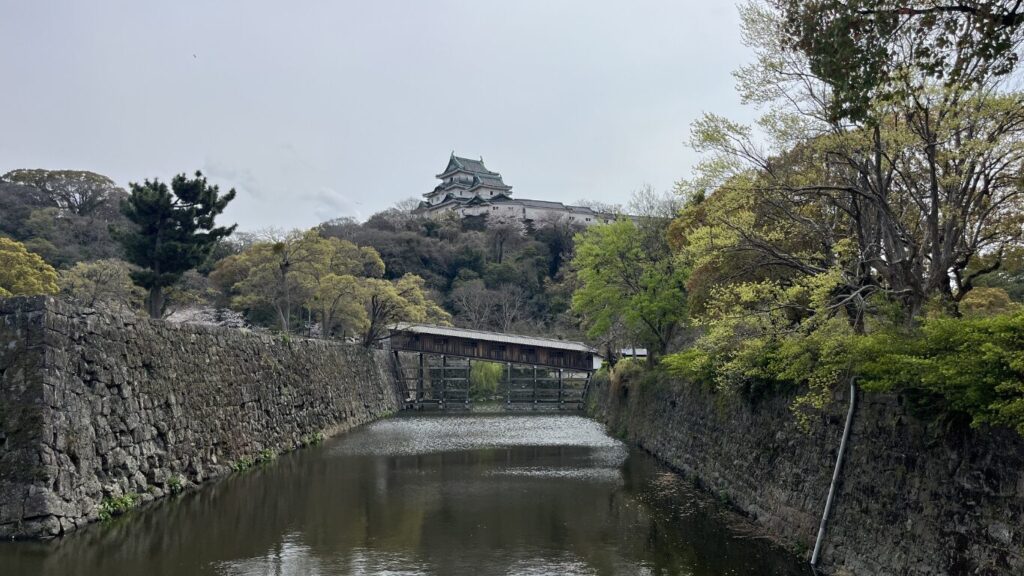
Set on Torafusuyama, the castle stands out with its white three-storey keep. While the current structure was rebuilt in 1958, it was once home to the Kishu Tokugawa family, a powerful feudal family that governed this region, and played an important role in the area. The original structure was destroyed during World War II, and the current main keep has since been reconstructed, now serving as a museum showcasing the history of the region. Inside, you’ll find exhibits on samurai culture, armour, and the role Wakayama played during different periods of Japan’s past. We made our way up to the top of the castle keep, and the 360-degree view was definitely one of the highlights. From here, we could see the Kinokawa River, one of the main rivers that runs through Wakayama, along with the mountain ranges in the distance.
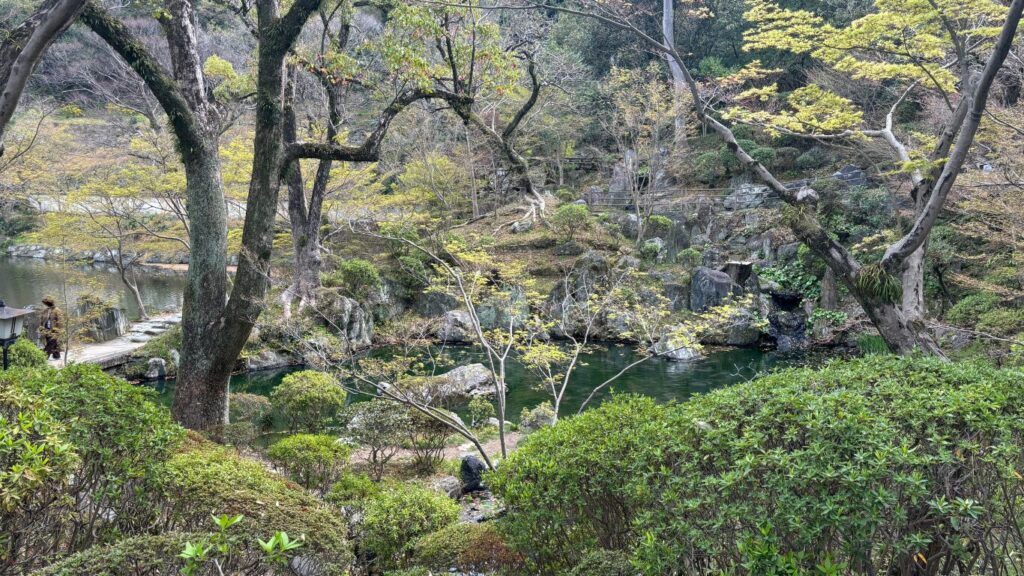
Around the castle, there is quite a bit to see. We spent some time walking through Nishinomaru Garden, a traditional daimyo garden built during the early Edo period (1603–1868), and also passed by original stone walls and castle gates that have been preserved over time. There is even a small zoo within the castle, so it is a nice stop if you are visiting with kids.
What we liked most was how the experience here goes beyond just viewing the castle. There are hands-on activities like trying on samurai armour, and even seasonal boat rides around the moat. Visitors may also come across friendly ninjas around the castle grounds, helping with directions, assisting along steeper paths, and even taking photos, which adds a more fun and welcoming touch to the overall experience. It felt much more interactive compared to other castles we have visited.
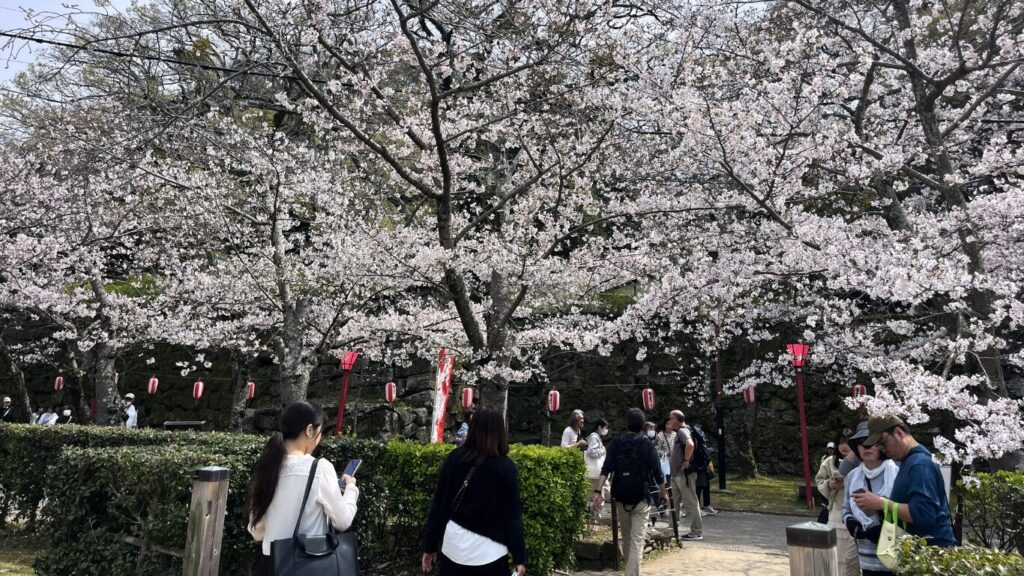
If you are planning to visit, it is worth setting aside about 1.5 to 2 hours to walk through the place. The scenery also changes with the seasons, with cherry blossoms in spring and autumn foliage making it even more enjoyable to spend time here.
Wakanoura
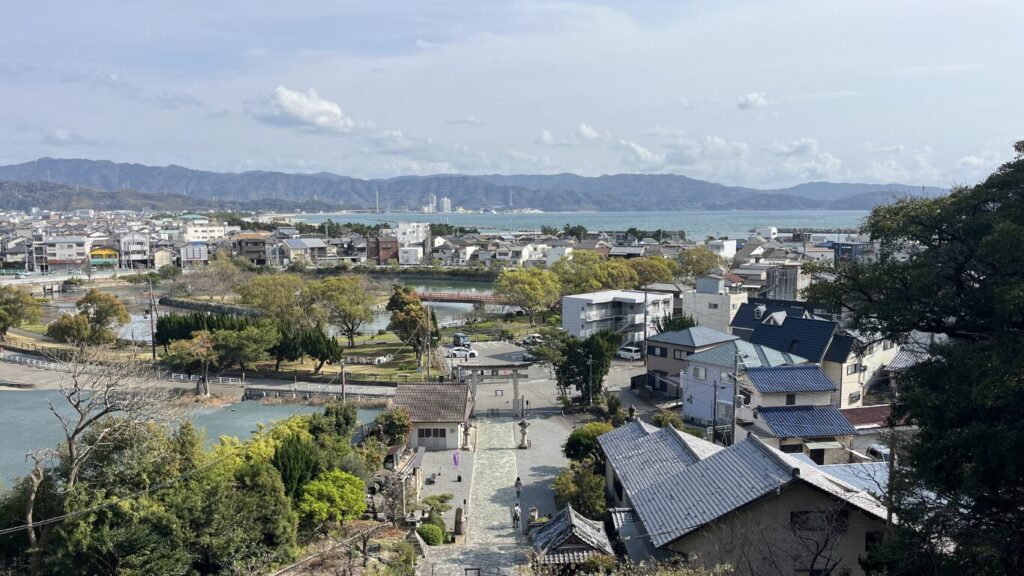
Located just south of Wakayama City, Wakanoura is a coastal area known for its scenic views, with a bay, small offshore islands, and low hills in the distance shaping the place.
Wakanoura has been appreciated for centuries and was even mentioned in the Manyoshu, one of Japan’s oldest poetry anthologies. It was once visited by emperors and court poets, which explains its strong connection to waka poetry, a traditional Japanese poem that captures emotions and scenery in a short, structured form.
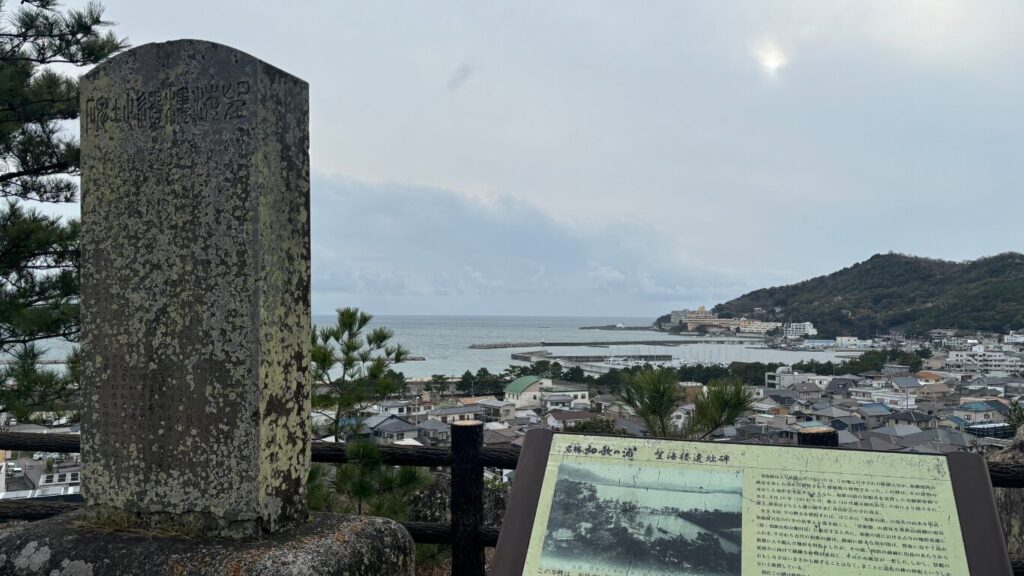
We spent time walking around the area and stopping at different viewpoints along the way. One of the highlights for us was Tamatsushima Shrine, an ancient seaside shrine dedicated to three goddesses associated with poetry and beauty.

Here, we tried the waka poetry writing experience, where visitors can write their own poem and offer it at the shrine. It is a simple activity, but it encourages us to reflect and appreciate the scenery in a more thoughtful way instead of just taking photos. If you are keen, our team can help arrange this activity during your trip.
Wakanoura is also known for how the scenery changes with the tide.When the tide goes out, sandbars known as Kataonami and tidal mudflats appear. From viewpoints like Tenguyama, we could see the coastline and sandbars stretching out in a straight line, a view that has been referenced in historical records and poems.
A Spiritual Retreat in the Mountains of Wakayama
What’s a trip to Wakayama without escaping into the mountains for a proper reset?
Koyasan (Mount Koya)
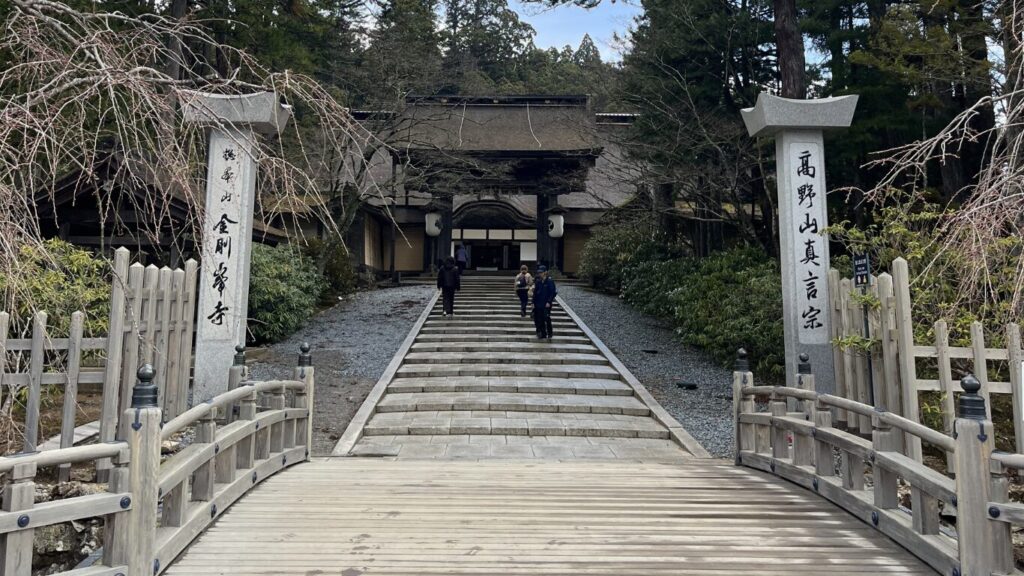
Hidden up in the mountains of Wakayama, Koyasan (Mount Koya) dates back to 816, when the monk Kobo Daishi Kukai, an influential Buddhist figure who founded Shingon Buddhism in Japan, established it as a centre for spiritual practice. Set within a mountain basin often said to resemble a lotus flower, the setting itself holds symbolic meaning in Buddhism. Today, it remains one of Japan’s most important religious spots and is also recognised as a UNESCO World Heritage site. Over time, the area grew into a key centre for Buddhist practice, attracting monks and pilgrims, with different parts of Koyasan used for different purposes, from training spaces to more sacred areas dedicated to Kobo Daishi himself.
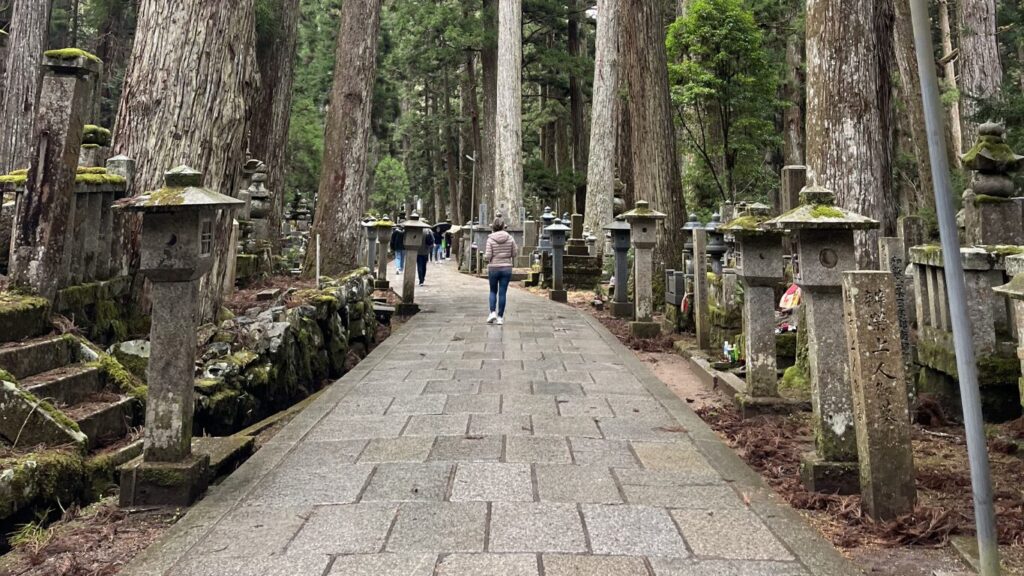
When we got here, we were surrounded by forest, with quiet paths and temples tucked all around, and the whole place just felt peaceful. With over a hundred temples in Koyasan (Mount Koya), there’s this calm, almost hushed vibe that you pick up on pretty quickly. It’s the kind of place where we naturally start to notice the small things, like the sound of footsteps on gravel or just how quiet everything is around us.
Places to Visit in Koyasan
There are a few main places in Koyasan (Mount Koya) that you should definitely make time for.
Kongobuji Temple is one of the key highlights in Koyasan (Mount Koya), and it gave us a closer look at how spiritual traditions are still deeply woven into everyday life here. One interesting thing we learnt is that “Kongobuji” does not just refer to a single temple building. In Koyasan, the entire mountain is considered part of the temple grounds, a concept known as “Issan Keidaichi”, which means the whole mountain is treated as one sacred temple space.
The current Kongobuji Temple also has ties to Toyotomi Hideyoshi, who built a temple here in the late 1500s in memory of his mother, which was later merged into what is now known as Kongobuji. Today, it serves as the head temple of the Koyasan Shingon sect, while the mountain itself is home to more than 100 smaller sub-temples scattered throughout the area.
As we walked through the temple grounds and surrounding paths, it felt less like visiting a single attraction and more like stepping into a place where the entire environment carries spiritual meaning.
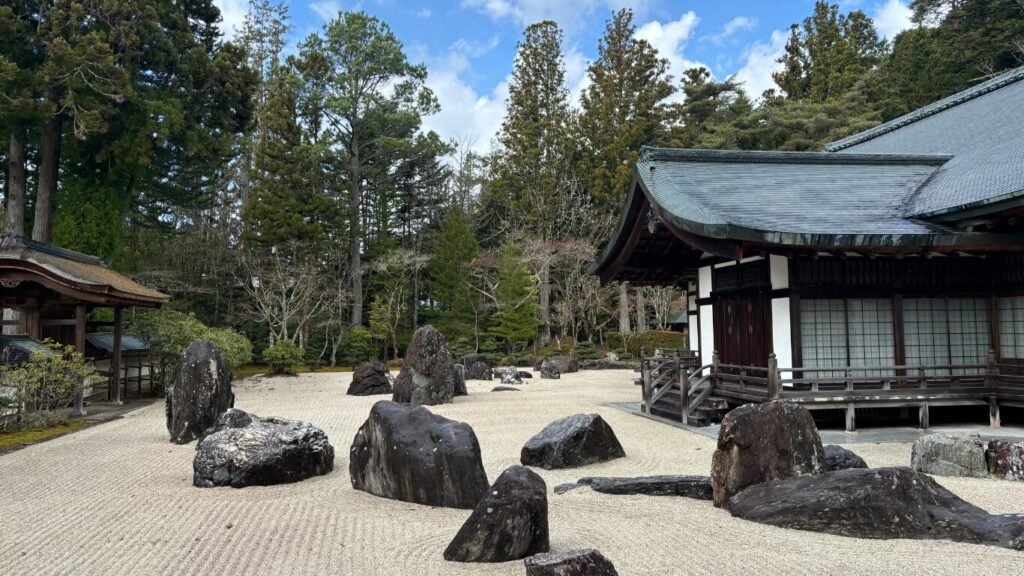
As we move through the temple, we pass through a series of large halls and rooms, including the main hall where important ceremonies are still held today. Just behind it is a private Buddha room, where a seated statue of Kobo Daishi is quietly enshrined. The interiors are detailed but not overwhelming, with sliding screen paintings and traditional rooms that were once used to host important guests, including members of the imperial family. Some rooms also carry their own stories, like the Willow Room, which is linked to historical events from the past. Even today, these spaces are carefully maintained and still used.
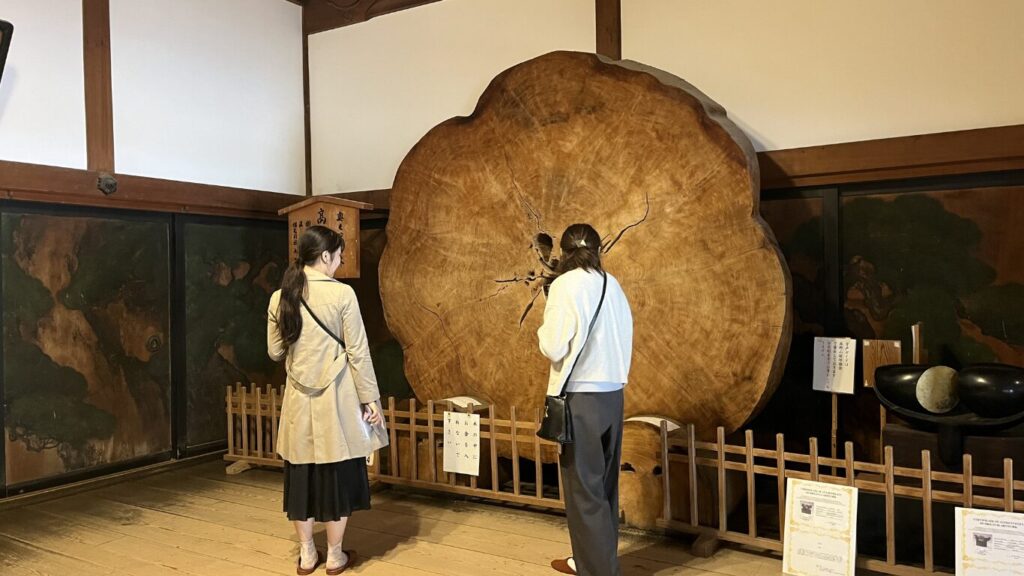
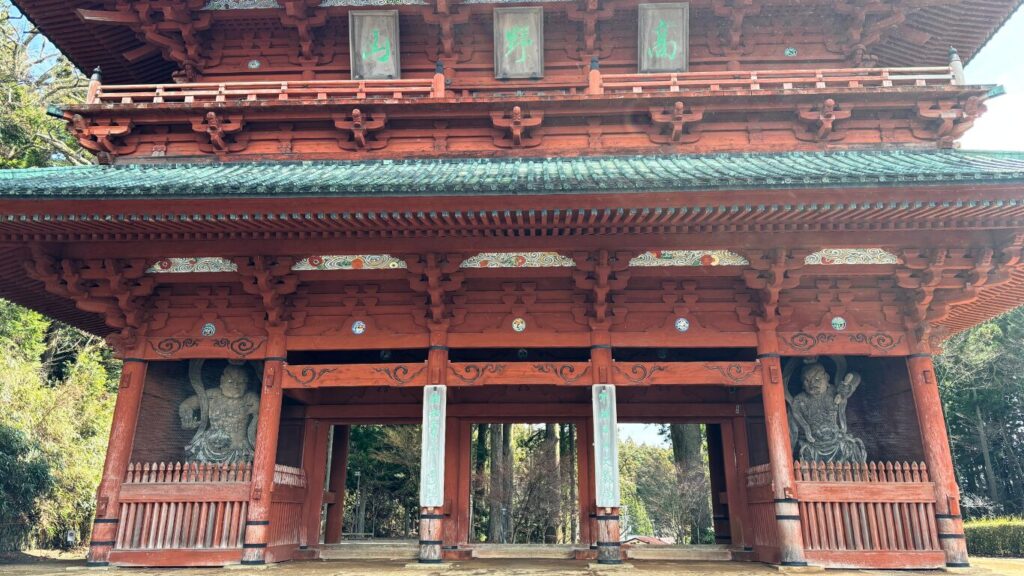
Danjo Garan is where Koyasan first began, originally built by Kobo Daishi Kukai as a training ground for Buddhist practice. This is where we’ll find some of the most recognisable structures in Koyasan, including the main hall and the large vermilion pagoda that stands out right away. The area is made up of several halls, each with its own significance, and it’s believed that praying at each one connects us to different aspects of Buddhist teachings.
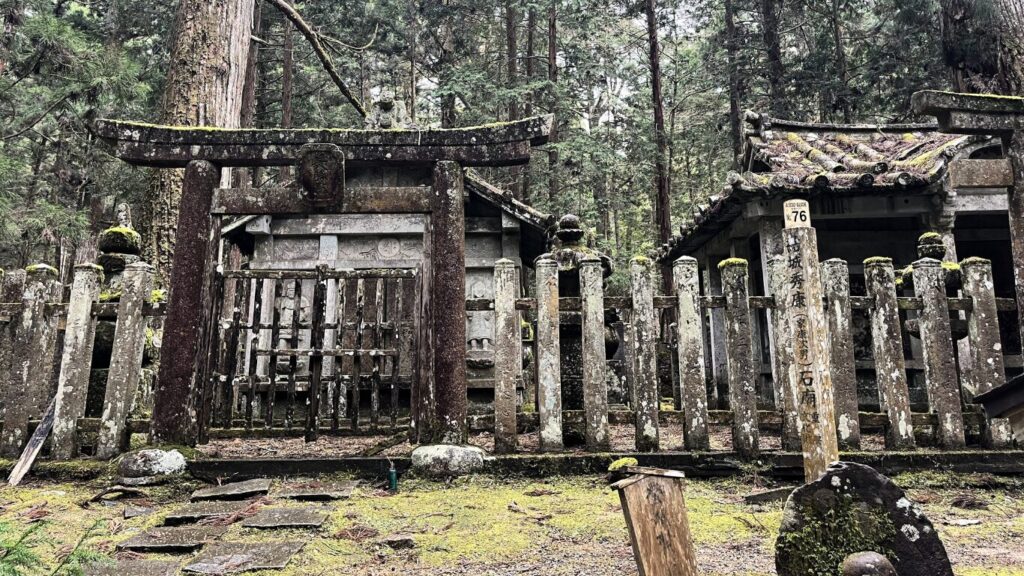
Then there’s Okunoin, which easily becomes one of the most memorable parts of the trip. It’s one of the most sacred places in Koyasan (Mount Koya), and the site of the mausoleum, a resting place built to honour an important figure, of Kobo Daishi Kukai, the monk who founded Koyasan. He is believed to still be in eternal meditation here, continuing to watch over and guide people even today. The walk towards the mausoleum takes us along a long path lined with towering cedar trees and thousands of stone monuments, giving the whole place a quiet, almost otherworldly feel.
Temple Stays in Koyasan (Mount Koya)
Staying in a temple is something we’d really recommend trying at least once. It’s not just about the accommodation, but a chance for us to relax and ease into a more zen-like pace.
We spend the night at the temple here, where we’re able to observe how monks go about their daily routines and get a glimpse into this way of life. Some stays also include morning prayers or simple activities, giving us a better understanding of the spiritual practices and the culture behind them.
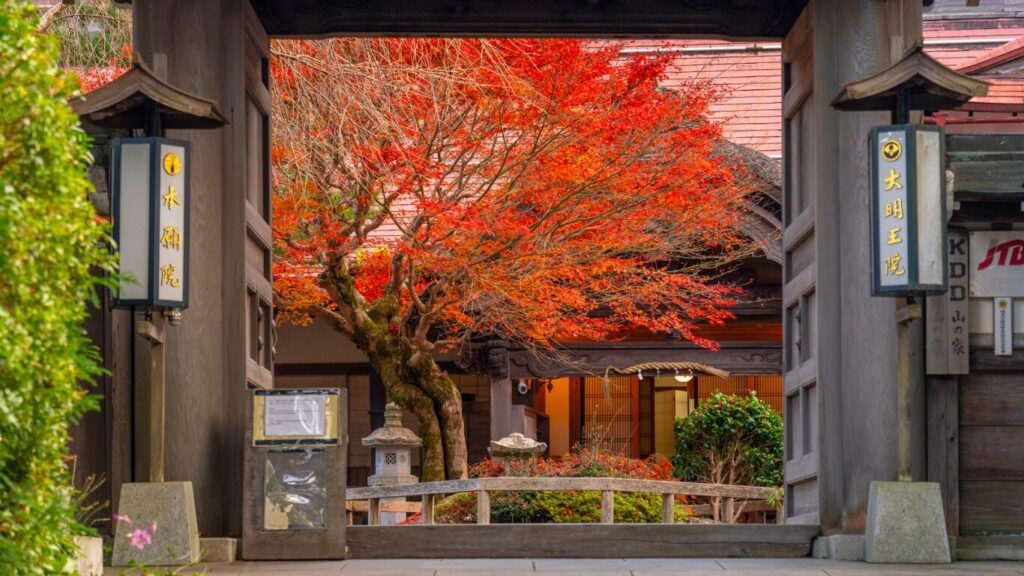
These temple stays are especially popular during cherry blossom and autumn seasons, so they tend to get booked out quite early. If you’re planning to try a temple stay, we can also help arrange more private experiences or meal options to make the visit a little more fuss-free.
Not forgetting about the food, during our stay, we get to try Shojin Ryori, a style of Buddhist vegetarian cuisine that celebrates the profound beauty of natural ingredients.The word Shojin means to abstain from evil, perform good deeds, and apply oneself diligently to one’s path. In the Buddhist traditions of Wakayama, eating is considered a vital part of spiritual practice. Shojin Ryori is the embodiment of this belief: it is a cuisine prepared with mindfulness, received with gratitude, and crafted to nourish both the body and the spirit.

Rooted in the precept of non-violence, this cuisine avoids meat and fish, instead highlighting seasonal vegetables, mountain plants, and soy-based ingredients. Local specialties like Koya dofu (freeze dried tofu) and Goma dofu (sesame tofu) are symbols of the wisdom and compassion born from monastic life.
Beyond its simple appearance, Shojin Ryori holds a profound sense of gratitude for nature. This culinary culture, nurtured in the mountains of Wakayama, offers a gentle moment to realign our modern lives and find inner peace.
Beyond its humble appearance lies a truly rewarding experience; the flavours are remarkably nuanced and intentionally harmonized to nourish both the body and soul. We enjoyed the sesame tofu, which was smooth, light, and subtly flavourful. Everything is prepared in a way that really lets the ingredients stand out without being too heavy.
Exploring the Kumano Kodo Pilgrimage Route
If we’re already in Wakayama, it almost feels like a waste to stop at Koyasan. Just a short distance from Koyasan (Mount Koya), we made our way to the Kumano Kodo, a UNESCO World Heritage pilgrimage route that’s especially worth visiting if you enjoy being close to nature.
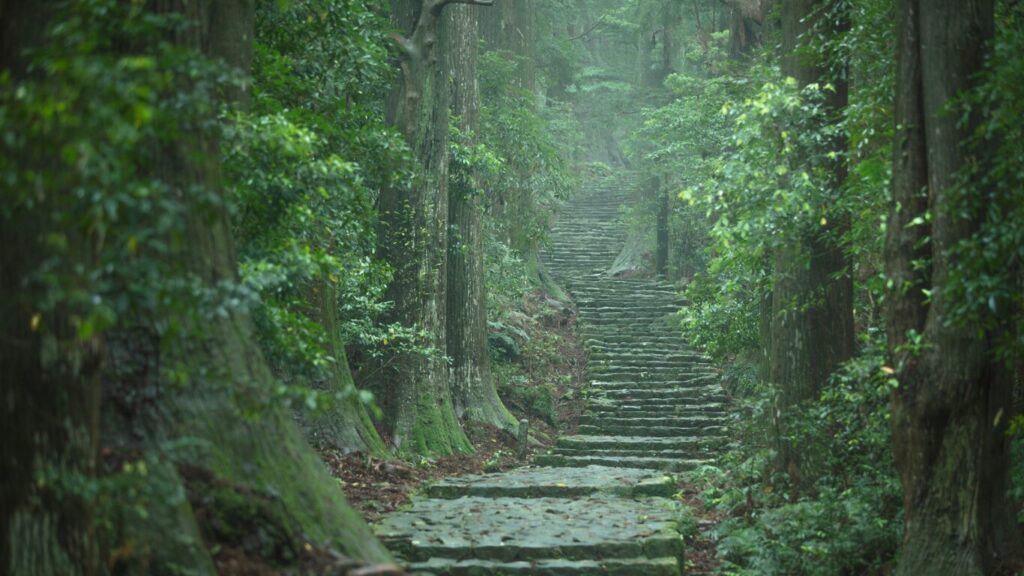
Unlike most places we visit, the Kumano Kodo isn’t about ticking off famous sights. If we’re expecting big attractions or dramatic viewpoints, this might not be it. At first glance, it really just looks like a quiet forest trail. But once we start walking, we begin to appreciate how different the experience feels.
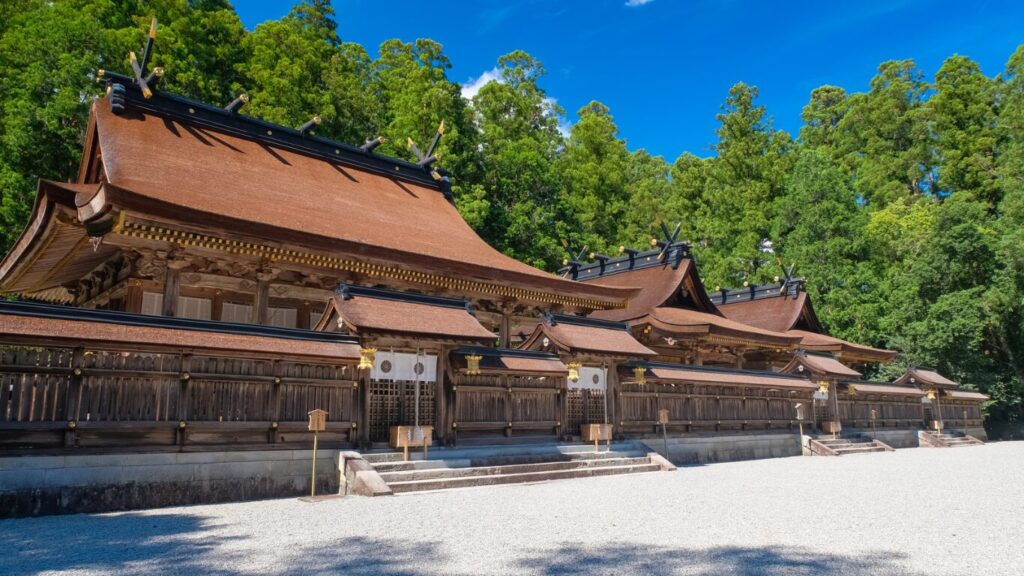
The Kumano Kodo is actually a network of routes that connect different parts of Japan to the Kumano Sanzan, which refers to three important shrines in the region, Kumano Hongu Taisha, Kumano Nachi Taisha, and Kumano Hayatama Taisha. Some of these routes stretch across multiple prefectures, so it’s not something we can fully cover in one trip. But even though we only managed to walk a small section in a day, it was enough for us to get a sense of what the experience is like.
What Draws People to Kumano Kodo
You might be wondering what draws so many people here, even though it’s just a trail. The history behind it goes back more than a thousand years, long before modern transport, when people would make the trip entirely on foot, sometimes over days or even weeks.
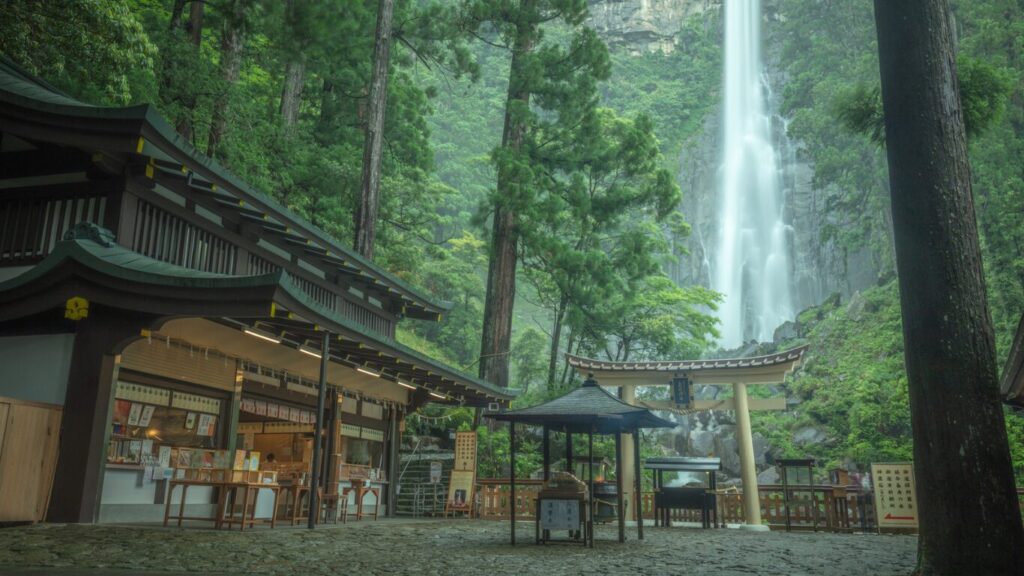
Not forgetting the scenery, the route takes us through mountains, waterfalls, and quiet forest paths that really let us disconnect from everything else and just be close to nature.
During the Heian period (794-1185), even members of the imperial family made their way here. Later on, in the Edo period (1603-1868), it became something that everyday people would do too. Visiting places like Ise Grand Shrine in Mie Prefecture, one of Japan’s most important Shinto shrines dedicated to the sun goddess Amaterasu, and the Kumano Sanzan, which refers to the three sacred shrines of Kumano, was once considered something many people hoped to achieve at least once. This is where the saying “seven times to Ise, three times to Kumano” comes from, reflecting how these pilgrimages held great importance and were widely popular.
Planning the Walk
Planning your Kumano Kodo walk is actually pretty flexible, whether you’re going for a short hike or something longer.
If you want to better understand what you’re seeing along the way, going with a guide is something we’d recommend. It adds a lot more context to the experience, from the history behind the trail to small details we might otherwise miss. If needed, our team can help arrange a local guide, including options in your preferred language, to make the experience more immersive.
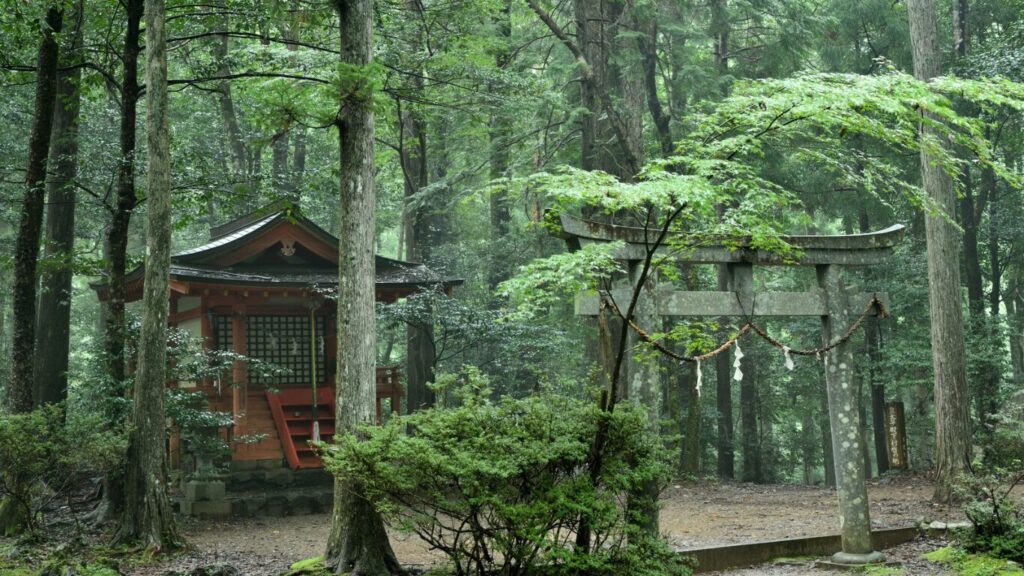
There are also routes that are suitable for beginners, especially parts of the Nakahechi route. One popular option is the stretch from Hosshinmon-oji to Kumano Hongu Taisha, which is relatively easy to walk and mostly a gentle downhill, taking about 2 to 3 hours. It’s manageable even if it’s your first time, as long as you come prepared.
If you have more time, you can also consider a multi-day walk. A common option is a 2 to 3 day route starting from Takijiri-oji and ending at Kumano Hongu Taisha, passing through small villages, forest paths, and historical spots along the way.
Since this is still a hiking route, a bit of preparation helps. Comfortable walking shoes are important, especially for uneven paths and slopes. It’s also good to bring water, light snacks, and rain gear, as the weather in the mountains can change quite quickly. Wearing something breathable will make the walk more comfortable too.
From our own experience, we encountered heavy rain during the trip, and the weather changed much faster than expected. The paths became slippery, visibility dropped, and we had to adjust our plans along the way.
Interestingly, experiencing the Kumano Kodo in the rain also had its own charm. The fog, quiet surroundings, and overall atmosphere felt even more immersive, making it a completely different experience from a sunny day.
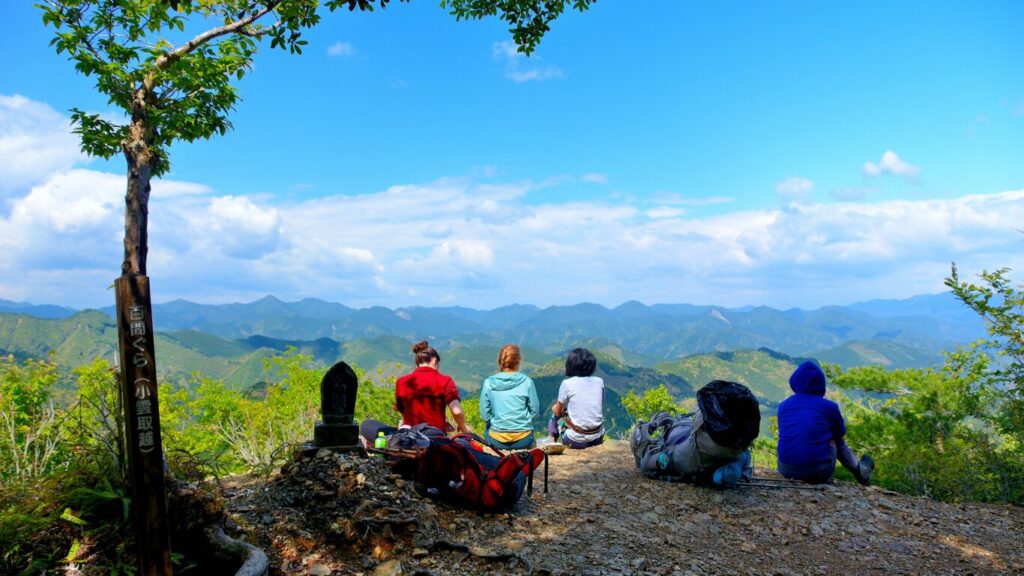
If you’re deciding when to go, spring from late March to May and autumn from October to November are usually the best times to visit. The weather is more comfortable for walking, and the scenery makes the experience even more enjoyable.
One thing to note is that food options can be quite limited in some areas, especially at night. So if you’re planning to stay along the route, it’s usually better to book accommodation that includes meals so everything is taken care of. Our team can also help arrange your stays and meals in advance, ensuring everything is taken care of before your trip.
As the Kumano Kodo is a UNESCO World Heritage site, it’s important to be mindful while you are here. Staying on marked paths, respecting nature, and keeping the trail clean are simple ways we can help preserve the area. It’s also good to be mindful of others along the way.
Wakayama is a place where we can take things a little slower and spend more time appreciating what’s around us. From visiting heritage sites in Koyasan to walking sections of the Kumano Kodo, it’s a place where we can enjoy the scenery while learning more about its history, culture, and stories along the way.
If you’re looking for a laid-back trip where you can enjoy nature while learning more about Japan’s cultural and historical side, Wakayama is definitely worth considering.
The next time you are in the Land of the Rising Sun, don’t just stick to the usual favourites. Take some time to explore places outside the main cities. You might just discover something you did not expect. Check out our travel guides for more inspiration.
Plan Your Trip With Us
Through our collaboration with local tourism associations and partners in Wakayama, we are able to arrange exclusive experiences that are not readily available, including premium temple lodging stays and curated meal arrangements.
We can also organise foreign language-speaking guides who are familiar with the region, allowing you to better understand the history, culture, and stories behind each place. For those looking for something more unique, we are able to propose special cultural experiences, such as a waka poetry session at Tamatsushima Shrine.
We will work closely with you to create a bespoke itinerary tailored to your preferences, ensuring an experience that is both well-curated and enriching.
If you’re interested in exploring Wakayama in a more personalised way, feel free to contact us for more details.