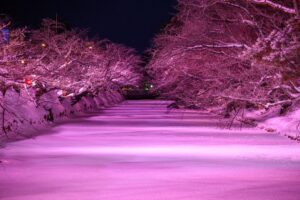
Hirosaki and Hakodate in Summer: A 4 Day Itinerary from Aomori to Hokkaido
What if you could experience both Aomori and Hokkaido in one trip? From the apple orchards and castle town of Hirosaki to the historic port city of Hakodate, there is plenty to discover on both sides of the Tsugaru Strait.
Hirosaki in Aomori Prefecture is a castle town surrounded by apple orchards, with Mount Iwaki in the background. Across the Tsugaru Strait in Hokkaido, Hakodate is a port city that opened to foreign trade in 1859 and still has the brick warehouses and hillside churches from that period. This four-day itinerary gives you two nights in Hirosaki and one night in Hakodate, before ending your trip at Hakodate Airport.
At Japan Navi Journey, we work closely with local communities across Japan, and this route was put together with Hirosaki City and Hakodate City. In mid September, we also travelled through most of the itinerary with a guest from Singapore.
Read on as we share our four day itinerary from Hirosaki to Hakodate, along with some of our own experiences from the trip.
When Is the Best Time to Visit?
For this itinerary, we recommend visiting from late August to mid September. Two experiences in this itinerary are seasonal.
Dake-kimi, a variety of sweet corn grown around the slopes of Mount Iwaki, is sold at roadside stalls from early August to mid September and is usually at its best from mid August to early September. Grown at a higher altitude, Dake-kimi benefits from the large difference between daytime and nighttime temperatures, which helps give the corn its distinctive sweetness.
Apple picking at Hirosaki City Apple Park runs from early August to mid November. Different varieties are available throughout the season, depending on when they ripen.
Visiting between late August and mid September gives you a good chance to experience both. We visited in the middle of September and had very good weather throughout our trip. If you travel later in September, apple picking will still be available, but the Dake-kimi season may already be over.
This period is also a good time to experience the last part of Hokkaido’s cooler summer weather before temperatures begin to drop towards autumn.
If you are more interested in summer festivals, consider visiting during the first week of August. The Hirosaki Neputa Festival is usually held from 1 to 7 August, when large fan shaped lantern floats decorated with warrior designs are paraded through the streets at night. Across the Tsugaru Strait, the Hakodate Port Festival is usually held from 1 to 5 August, with fireworks and parades where thousands of participants perform the city’s famous Squid Dance.
Festival dates may change, so check the official schedules before planning your trip. Accommodation can also fill up quickly during this period, so it is best to book early.
Day 1: Travel Along the Sea of Japan and Explore Aomori’s Scenic Spots
Ride the Resort Shirakami Along the Sea of Japan
Start your trip aboard the Resort Shirakami, a sightseeing train that travels along the JR Gono Line on the Sea of Japan coast.
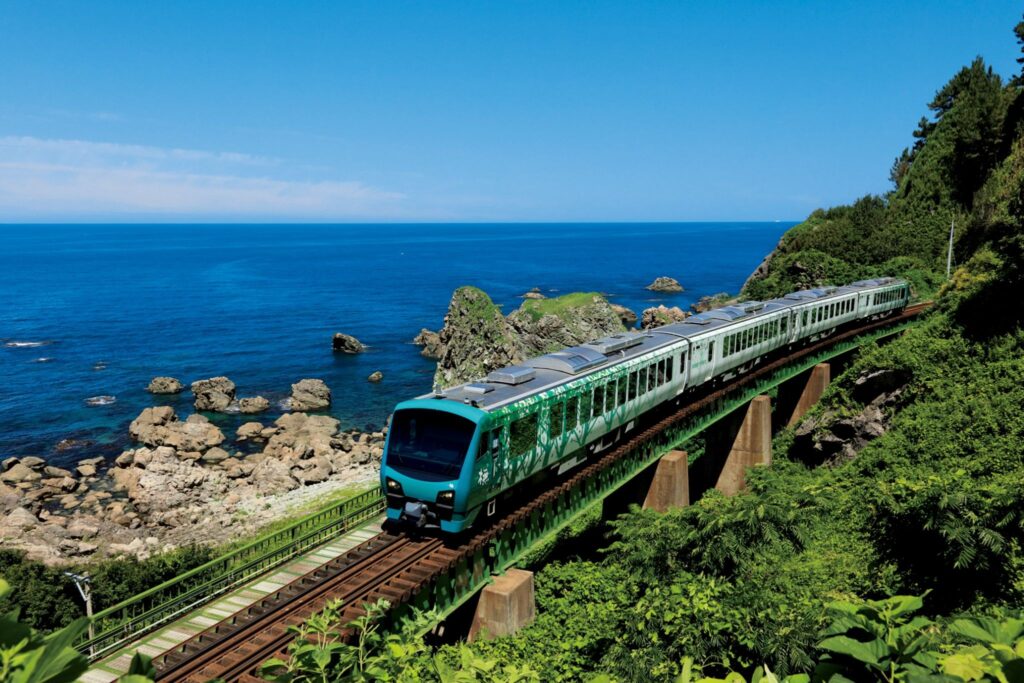
Large windows give you wide views of the coastline, and for parts of the journey, the tracks run close to the sea. Selected services also feature live performances of the Tsugaru shamisen, a traditional three-stringed instrument from the region.
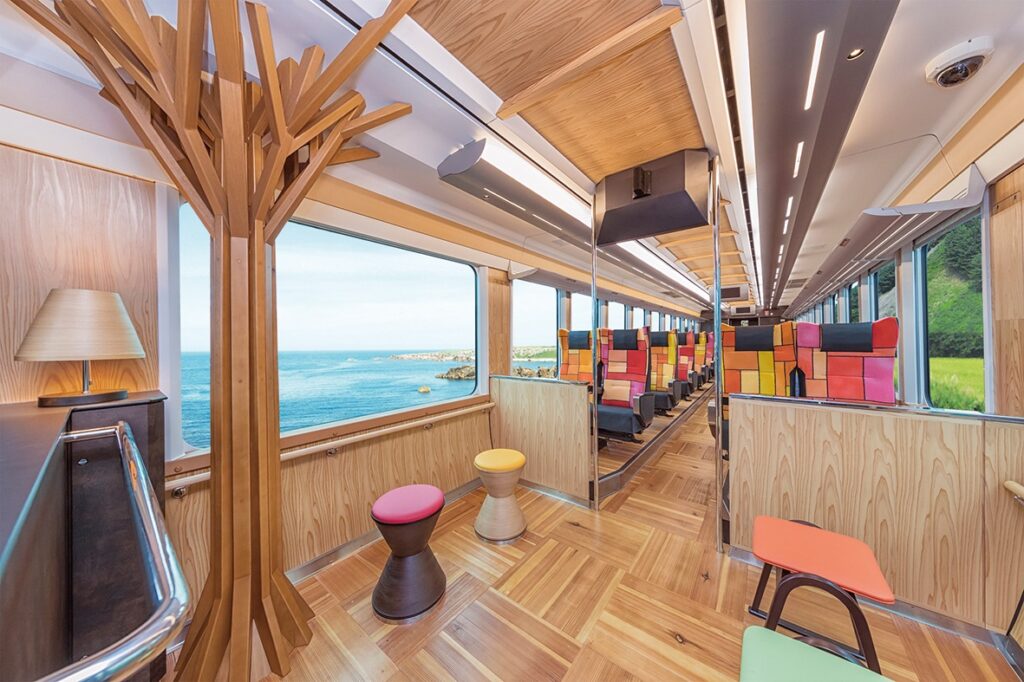
All seats on the Resort Shirakami are reserved, and there are only a few services each day, so we recommend booking this part of the trip early. If you plan to take a morning train, it is recommended to stay in Hirosaki or Aomori the night before.
Explore the Rocky Coastline at Senjojiki
Senjojiki is one of the scenic spots you can visit while travelling on the Resort Shirakami. Some services stop at Senjojiki Station for around 15 minutes, giving passengers time to step off the train and explore part of the coastline just in front of the station.
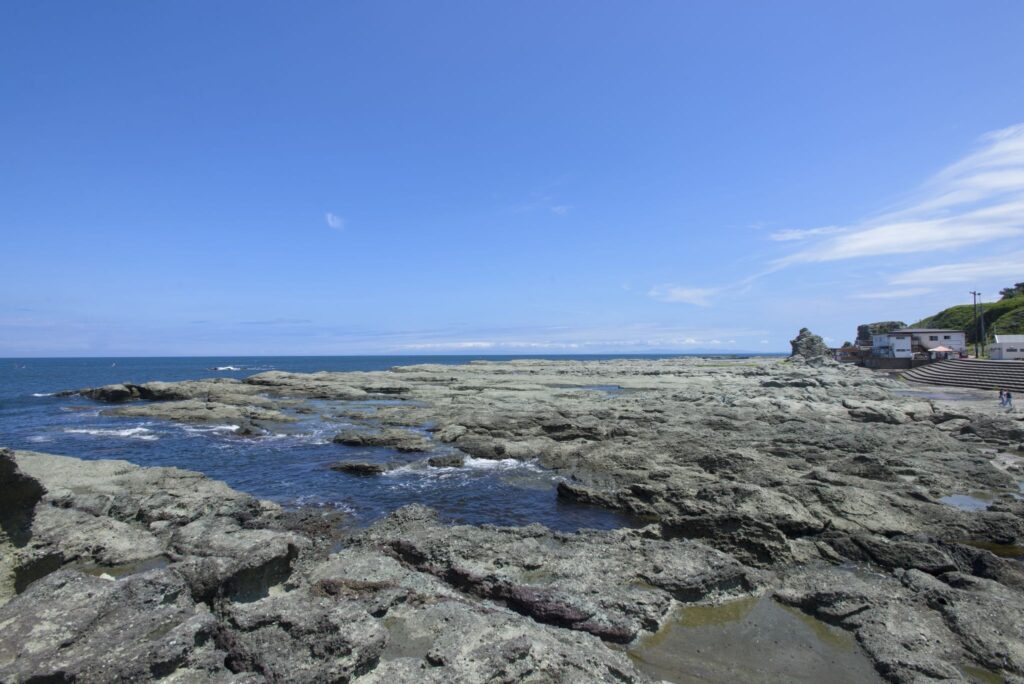
The landscape here was formed after an earthquake in 1792 caused the seabed to rise, creating a wide stretch of flat, uneven rock along the Sea of Japan. The name “Senjojiki”, which means “one thousand tatami mats”, is said to come from a story that the lord of the Tsugaru domain was so impressed by the unusual landscape that he had one thousand tatami mats laid out here for a banquet.
Senjojiki also appears in Tsugaru, a work by famous Japanese author Osamu Dazai, who was born in Aomori Prefecture.
During the short stop, you can walk from the station to the rocky coastline before returning to the train for departure.
Discover the Deep Blue Waters of Aoike Pond
The Resort Shirakami stops at Juniko Station, where you can continue by bus for around 15 minutes to the Juniko area at the foot of Shirakami-Sanchi, a UNESCO World Heritage Site.
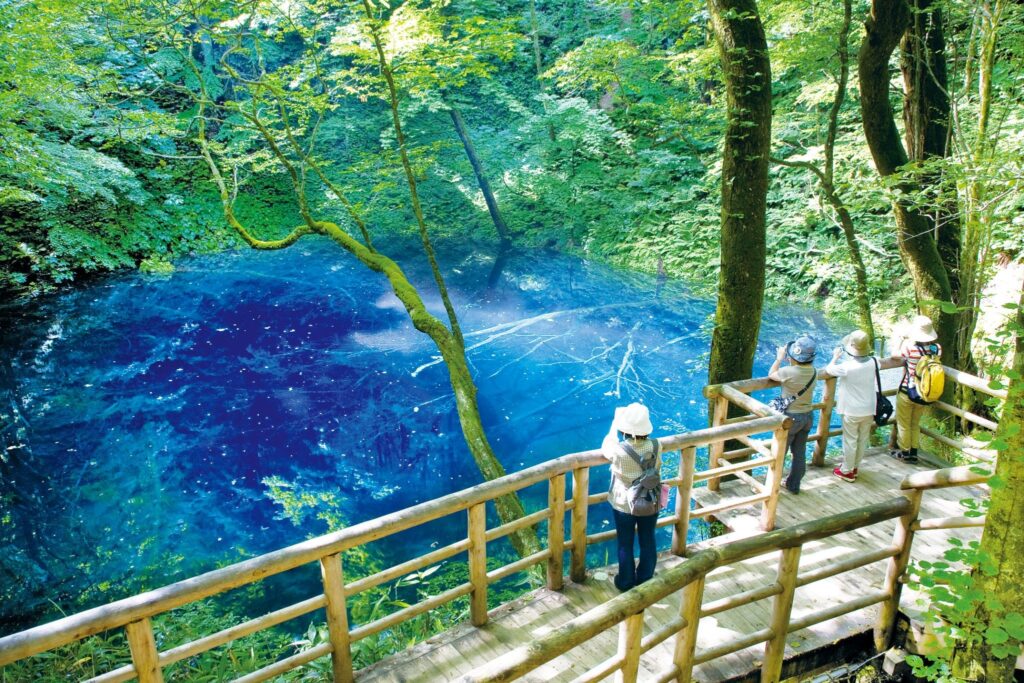
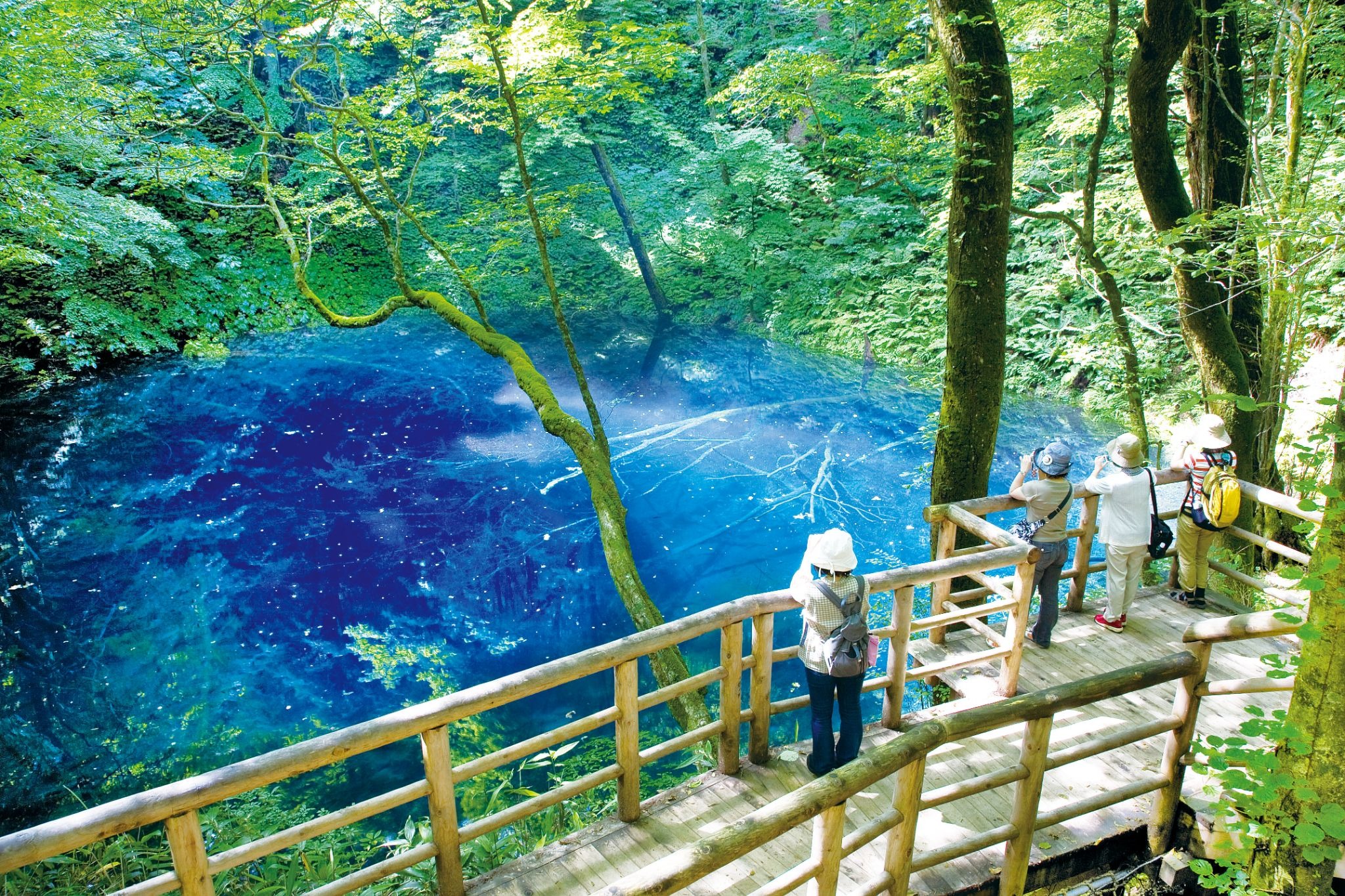
One of the best known spots here is Aoike, which means “Blue Pond”. It is one of the Twelve Lakes and is known for its clear, deep blue water surrounded by beech forest. The pond reaches a depth of around nine metres, yet the water is so clear that you can see all the way to the bottom.
Its distinctive blue colour comes from a combination of factors, including the clarity of its spring water, the depth of the pond and its light-coloured bottom, which reflects light through the water. The shade of blue can also look different depending on the season, weather and amount of sunlight, adding to the mysterious appearance of the pond.
For a more convenient way to explore the area, you can also arrange a private car with Japan Navi Journey. This gives you more flexibility to travel between Aoike Pond and other nearby spots without having to plan your day around bus schedules, especially if you are visiting several places in one day.
See the Giant Floats at Tachineputa no Yakata
After spending time in nature at Aoike Pond, continue to Goshogawara for a very different experience at Tachineputa no Yakata, a museum dedicated to the city’s famous Tachineputa Festival and its giant floats.
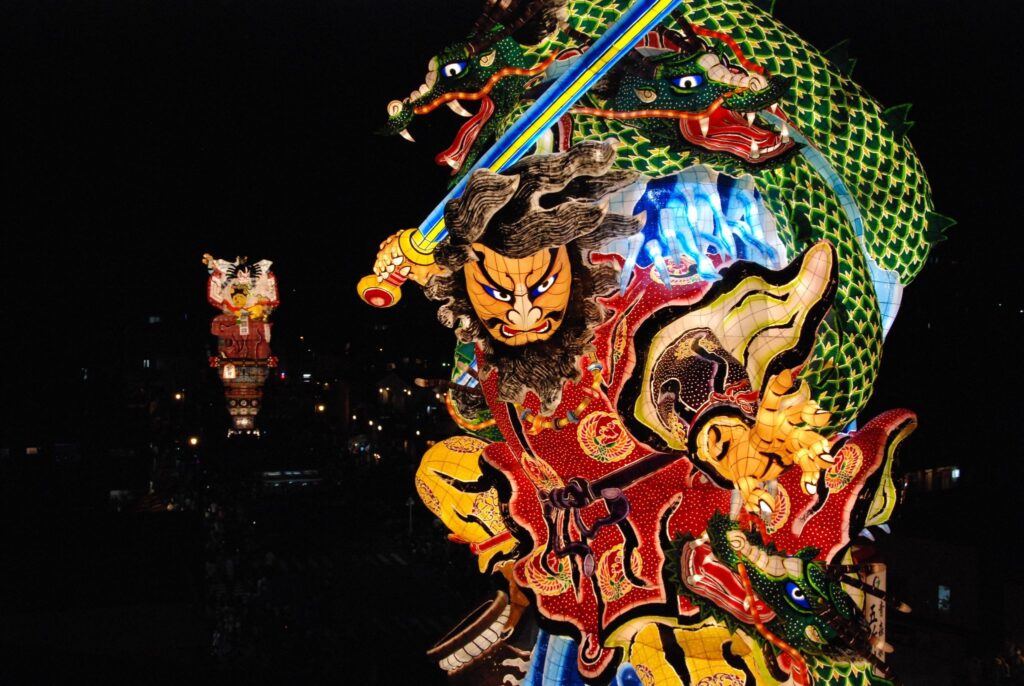
In Goshogawara, festival floats are built upwards rather than outwards. The Tachineputa floats can reach around 23 metres in height, roughly equivalent to a seven storey building. At Tachineputa no Yakata, you can see these large floats up close throughout the year.
Inside the museum, take the lift to the upper floor before following the walkway down around the floats. This gives you a chance to see their details at different heights before reaching the bottom and looking up at the full structure.
A short video is also shown inside the exhibition hall. As the room darkens, the floats light up from within, giving you an idea of how they look during the festival. During the Goshogawara Tachineputa Festival in August, the floats displayed here are taken out into the streets.
Stay at Asobe-no-Mori Iwakiso
For the night, we stayed at Asobe-no-Mori Iwakiso, an onsen inn at the foot of Mount Iwaki.
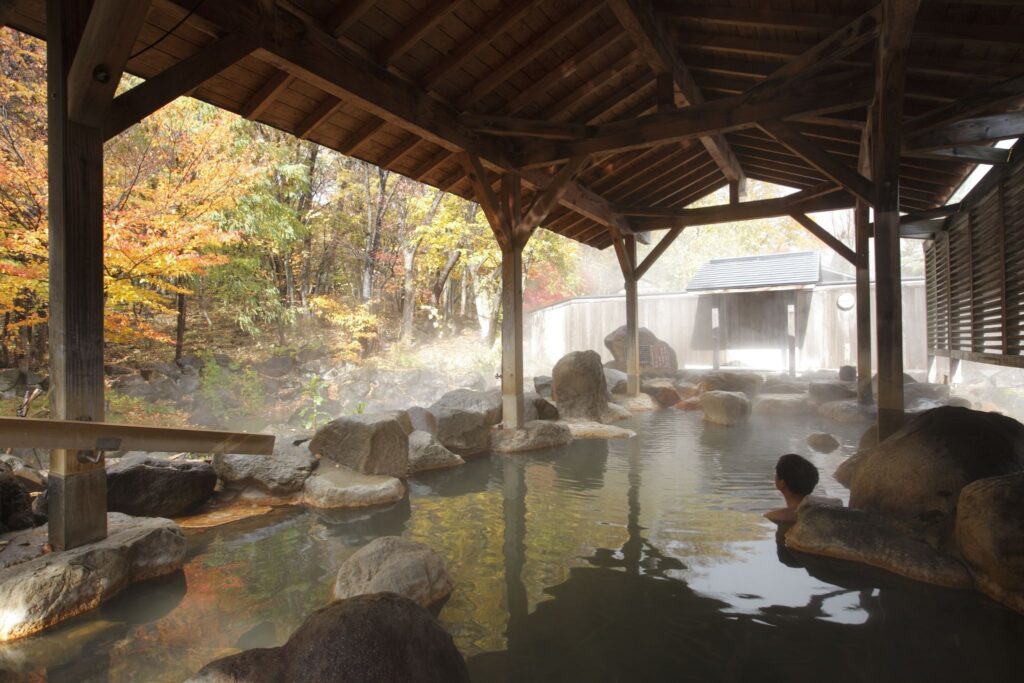
The inn uses free flowing hot spring water from Hyakusawa Onsen, a well-known hot spring in the area that is also known as the “Hot Spring of Heat”. Guests can soak in a large indoor bath made with Aomori cypress wood or relax in the open-air bath while enjoying the fresh mountain air.
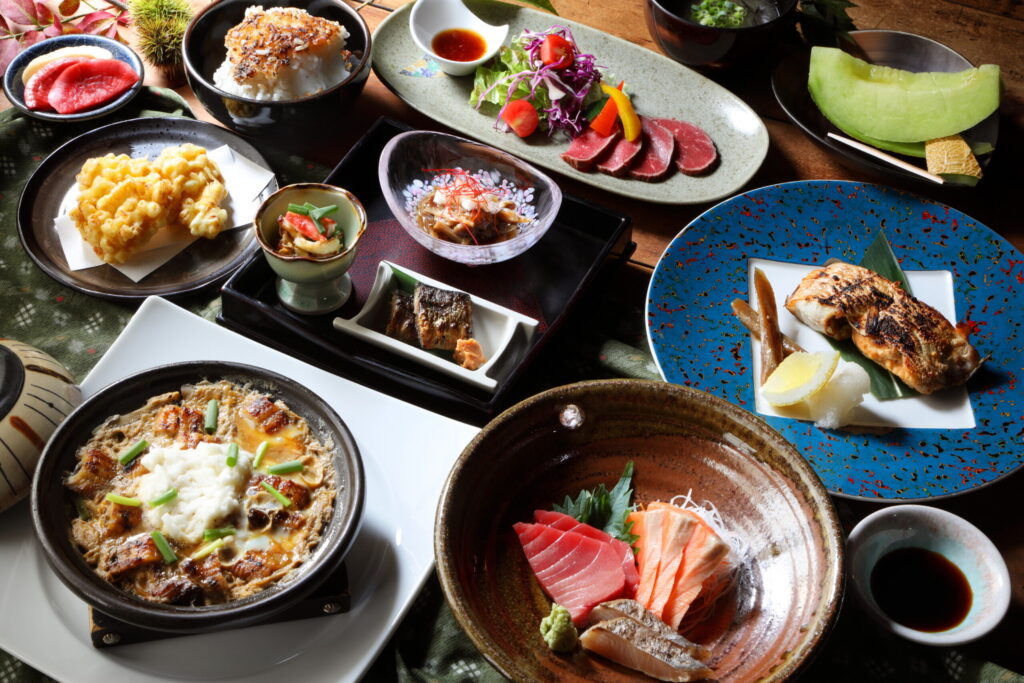
Dinner is served in a traditional farmhouse. The menu changes with the seasons, with rice cooked in a wood fired kamado stove and fish slowly grilled over charcoal, which were some of the most memorable parts of the meal for us.
The inn is around 30 minutes from central Hirosaki, and public transport in the area is limited. Japan Navi Journey can arrange a private car for your stay, making it easier to explore Mount Iwaki and the nearby areas before continuing with the rest of your itinerary.
Day 2: Spend the Day Around Mount Iwaki and Hirosaki
Drive Up Mount Iwaki on the Tsugaru-Iwaki Skyline
The Tsugaru-Iwaki Skyline is a 9.8 kilometre toll road that climbs Mount Iwaki through 69 hairpin bends.
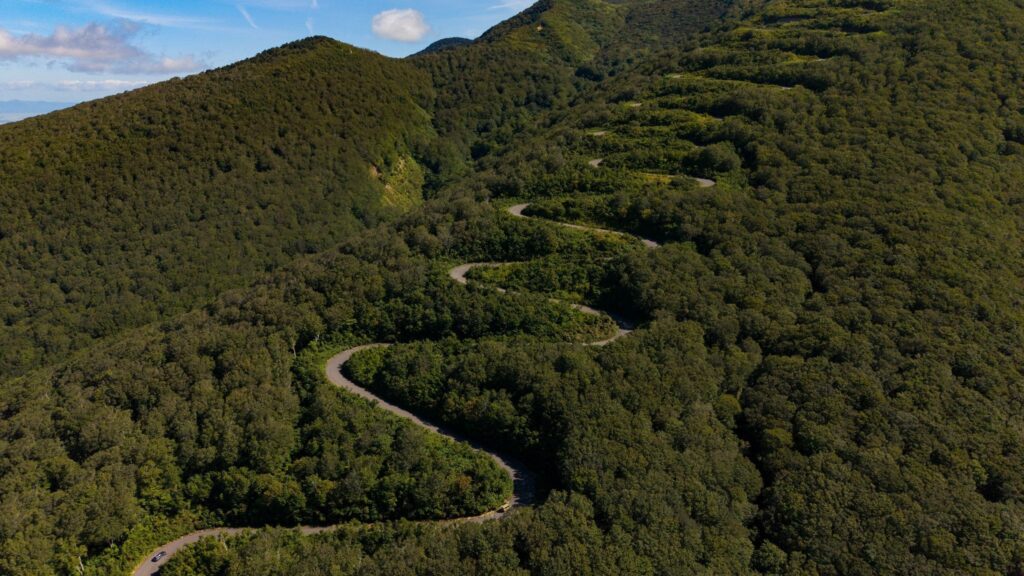
The drive takes around 30 minutes, passing through forest before reaching the car park at the eighth station, 1,247 metres above sea level.
We visited on a clear and warm morning. From the eighth station, we could see the surrounding mountains and towns below, while the summit of Mount Iwaki could be seen above us. On especially clear days, views can extend towards the Sea of Japan and even Hokkaido.
For us, this was one of the most memorable experiences in Hirosaki. Being able to drive this far up the mountain also makes the scenery more accessible for travellers who may not be able to complete a full hike.
With 69 hairpin bends along the way, we recommend travelling with a local driver. This allows everyone in your group to enjoy the views without having to concentrate on driving the winding mountain road.
Weather conditions can change quickly. The eighth station may be covered in cloud even when it is sunny in Hirosaki, and temperatures are generally lower at this elevation, so bring an extra layer.
The Tsugaru-Iwaki Skyline is generally open from around late April to early November.
Try Seasonal Dake-kimi Corn
“Dake” refers to the area at the foot of Mount Iwaki, while “kimi” means corn in the local Tsugaru dialect. Grown at a higher altitude, Dake-kimi benefits from the large difference between daytime and nighttime temperatures, which helps give the corn its distinctive sweetness.
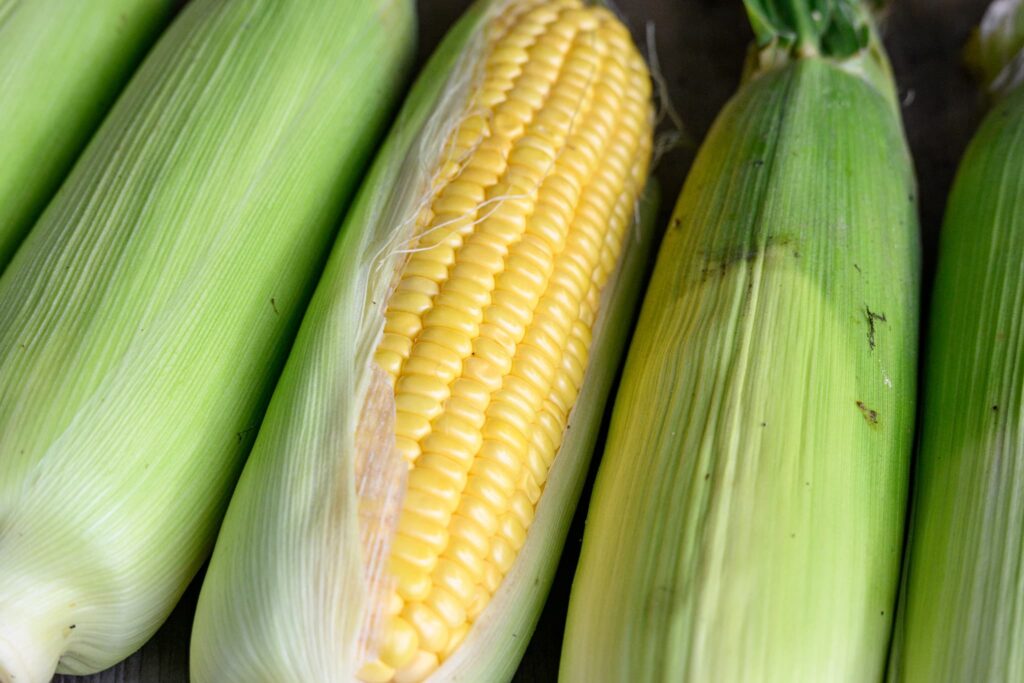
From early August to mid September, roadside stalls selling Dake-kimi corn appear along the road, an area sometimes known locally as the Dake-kimi Road.
The corn is often picked that morning and sold either fresh or boiled, ready to eat on the spot. At the nearby ANEKKO roadside station, you can also try Dake-kimi soft serve.
With Japan Navi Journey’s private car service, you can stop at the roadside stalls along the way while your local driver takes care of the driving, so everyone can enjoy the experience together.
Pick Apples at Hirosaki City Apple Park
Hirosaki is one of Japan’s leading apple producing areas, so apple picking is an experience worth adding to your visit.
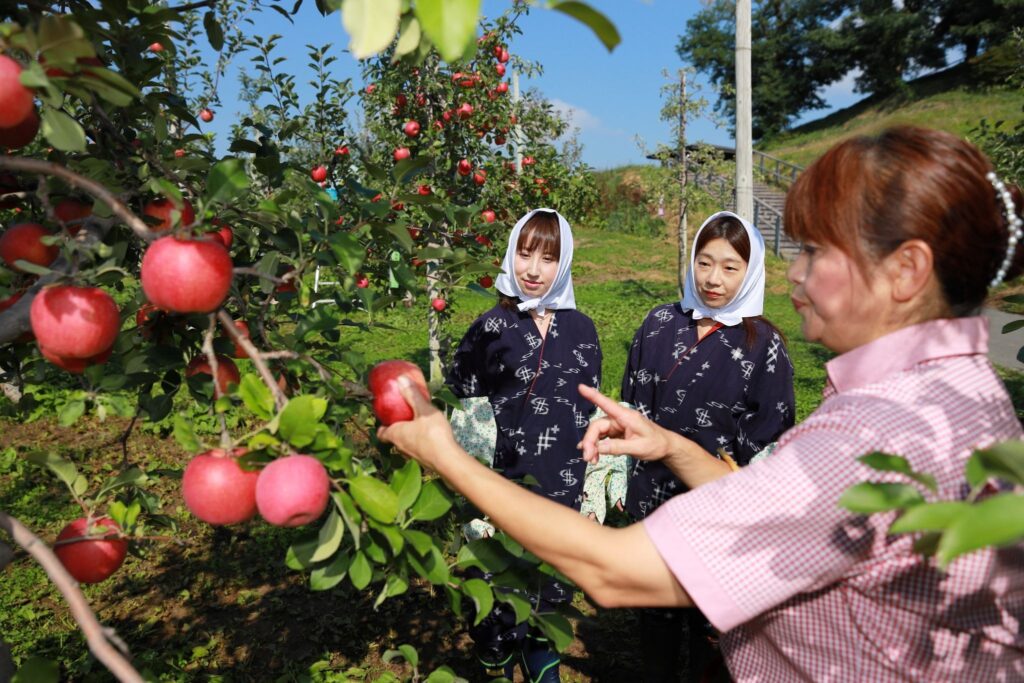
At Hirosaki City Apple Park, you can pick apples directly from the trees, with Mount Iwaki in the background. The varieties available depend on when you visit, as different types of apples ripen throughout the season.
After apple picking, head to the restaurant inside the park, where you can try different apple pies and apple juices.

We recommend ordering a few to compare. The flavours can be surprisingly different depending on the apple variety, so it is a fun way to find your favourite.
Enjoy a Tsugaru Home Style Lunch
For lunch, we stopped at a local restaurant serving home style dishes from the Tsugaru region.
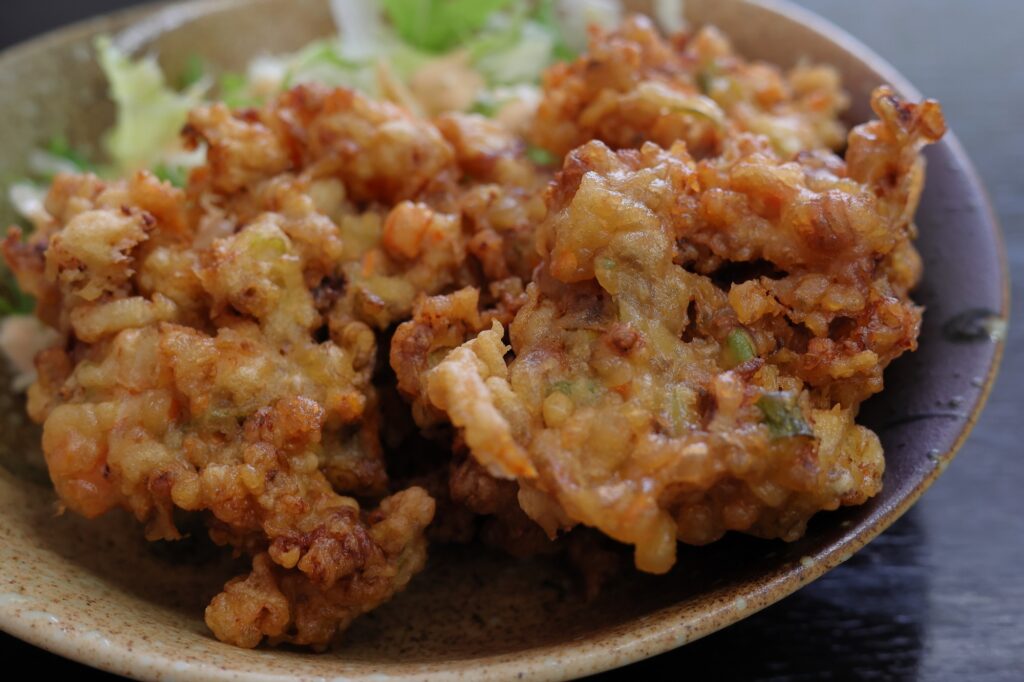
These included igamenchi, fried patties made with chopped squid and vegetables; kaiyaki miso, a mixture of miso and egg cooked in a scallop shell; and kenoshiru, a soup made with finely chopped root vegetables.
It was a good chance to try some of the dishes commonly enjoyed in the region before continuing our afternoon in Hirosaki.
Try Traditional Indigo Dyeing at Kawasaki Somekojo
Aizome is a traditional dyeing technique that uses dye made from indigo plants. The indigo is fermented to create the dye, and when the fabric is dipped into it and exposed to air, the colour gradually develops into its distinctive blue. Repeating the process creates different shades of blue.
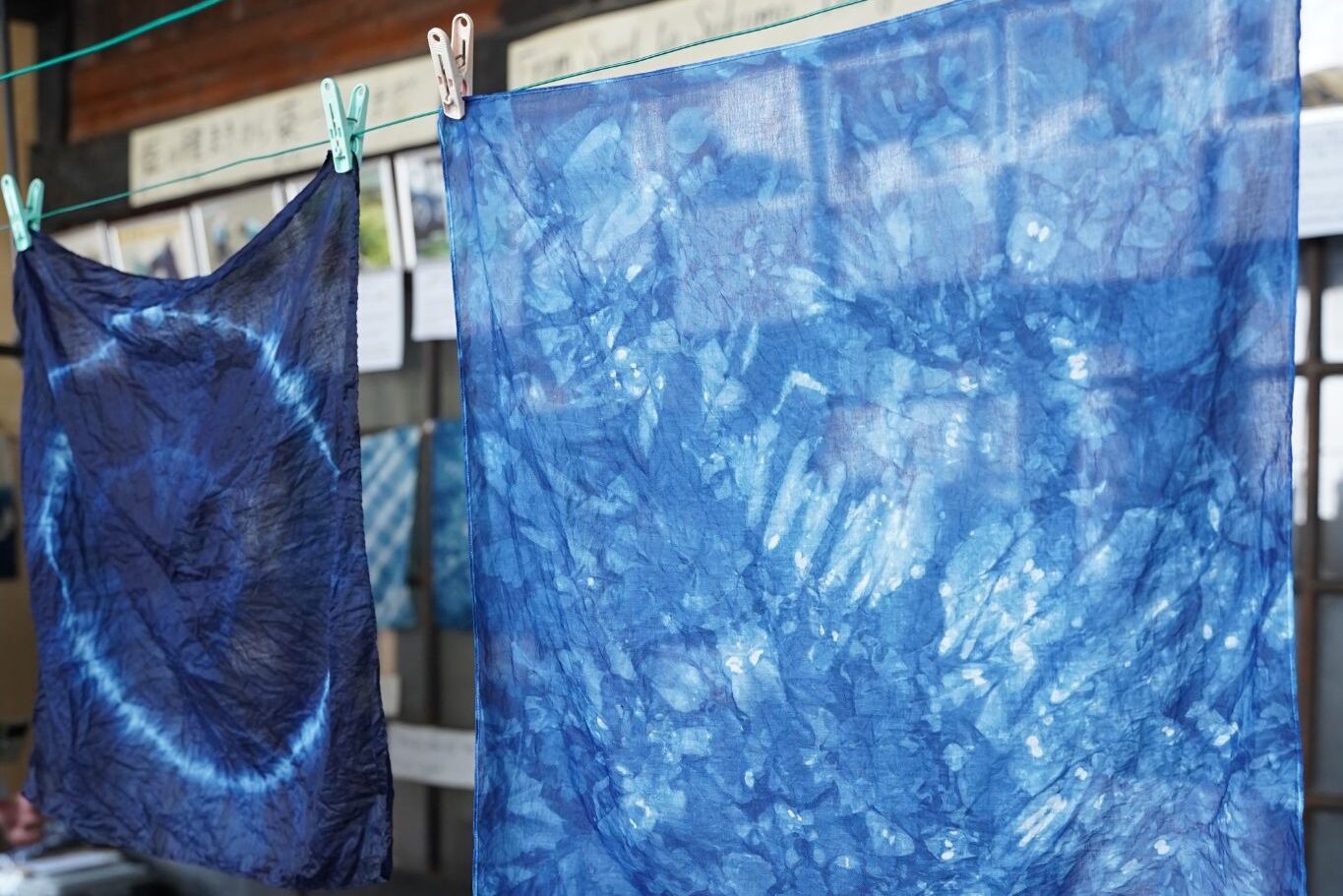
Indigo dyeing has a long history in Hirosaki. During the Edo period, a dyeing district was established west of Hirosaki Castle, with more than 100 dyeing shops operating in the area. While traditional natural indigo dyeing gradually declined with the introduction of chemical dyes, the craft is still being preserved today.
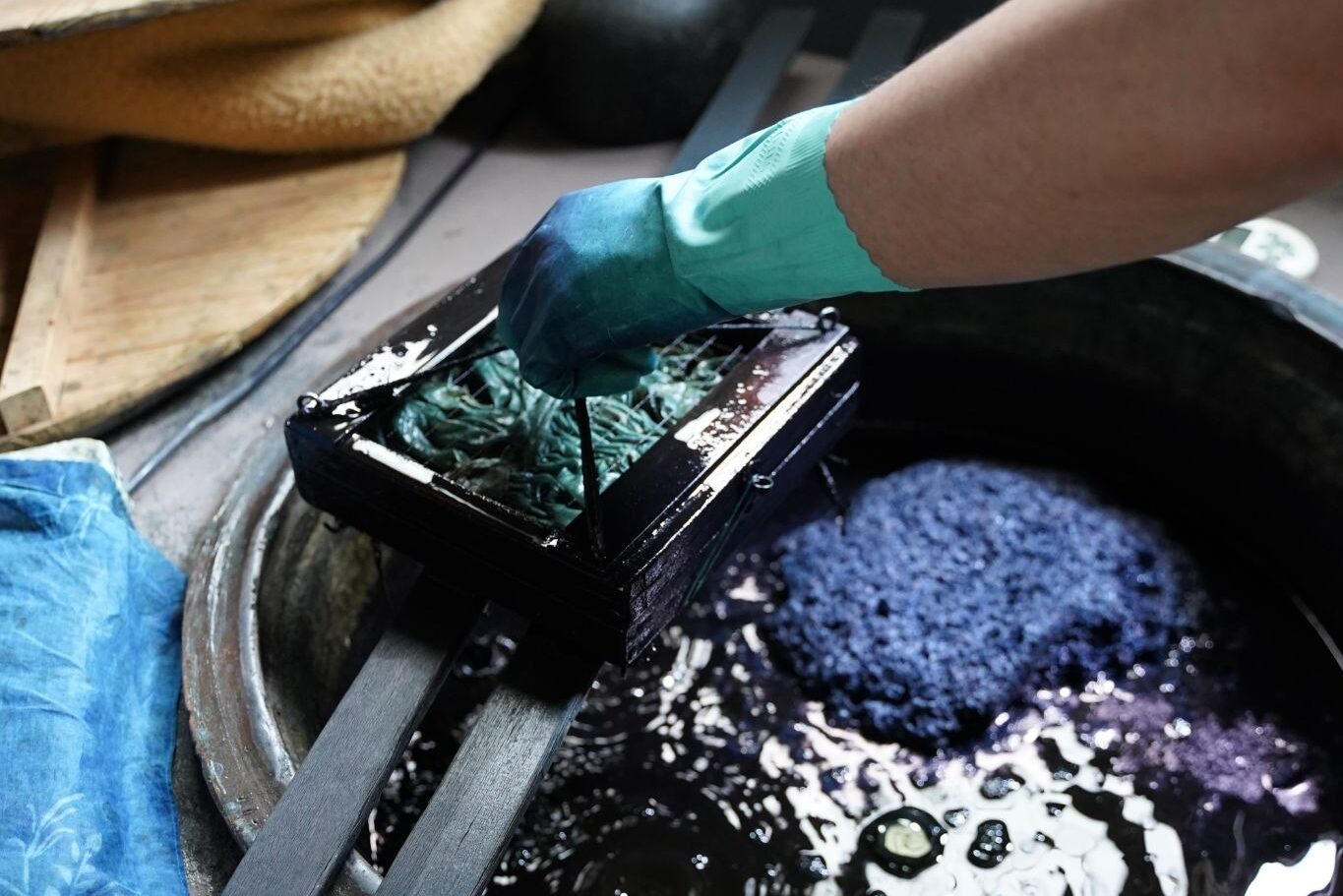
One place continuing this tradition is Kawasaki Somekojo. The workshop has restored its original buildings and indigo vats from the Edo period, giving visitors a closer look at the traditional dyeing process.
We tried dyeing our own handkerchiefs, an experience that takes around 40 minutes. Before dipping the fabric into the dye, you tie and bind it in different ways. The way you fold and tie the cloth determines the final pattern, which means every finished piece looks slightly different.
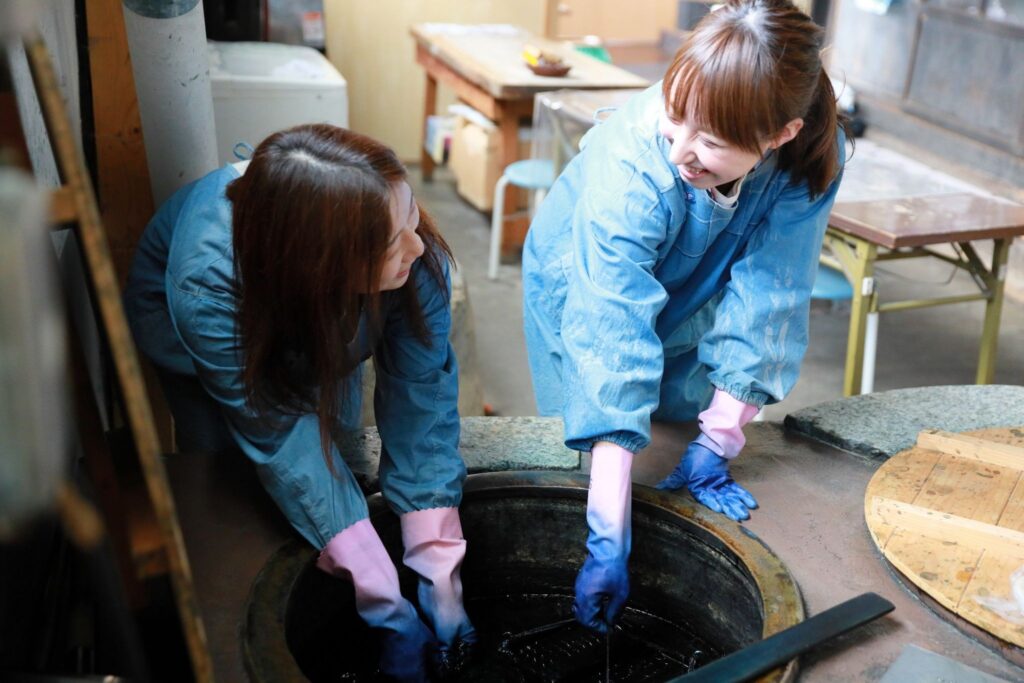
For us, this was one of our favourite experiences in Hirosaki.
Explore Hirosaki in a Yukata
Next, change into a yukata and explore Hirosaki with a local guide and professional photographer.
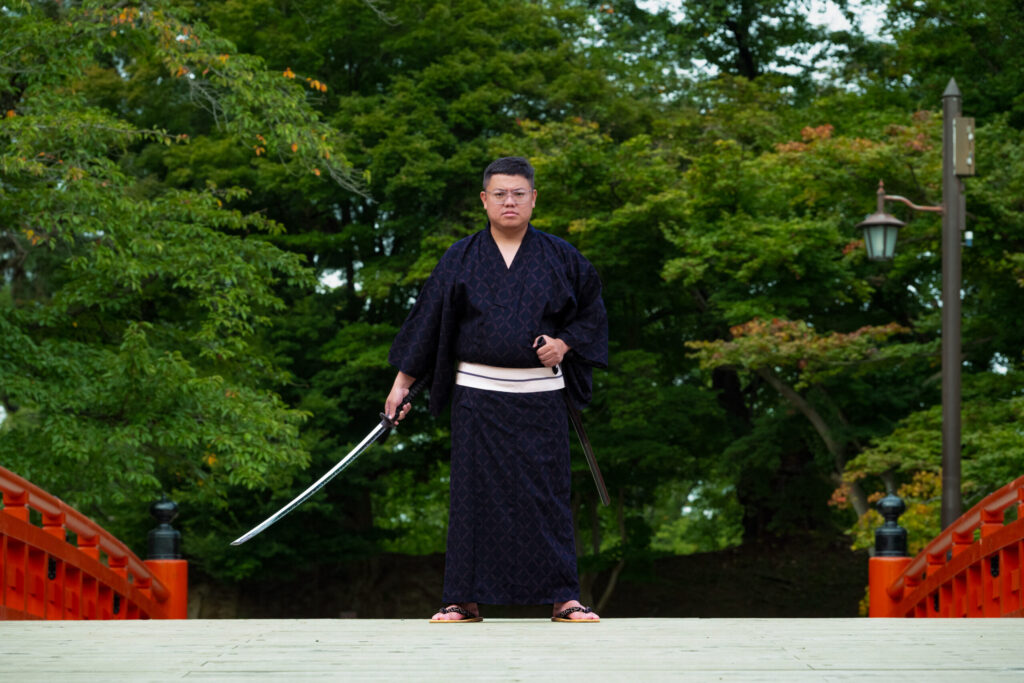
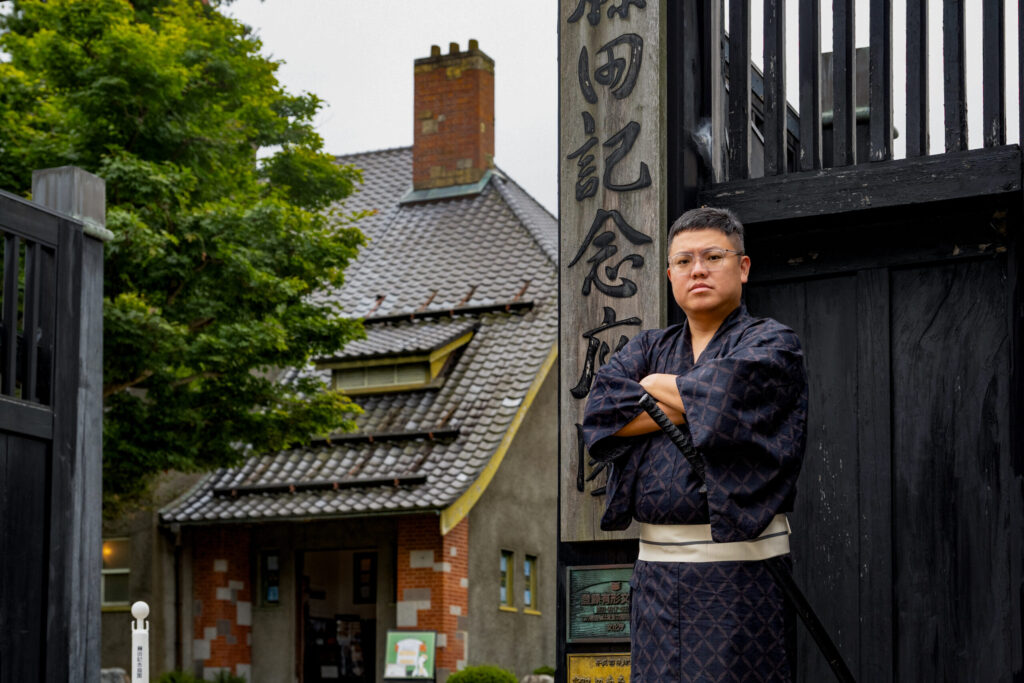
Our walk included the traditional samurai houses in the Nakamachi district, Hirosaki Park, the Former Hirosaki City Library and Fujita Memorial Garden.
The full experience takes around three hours. If you prefer a shorter walk, the itinerary can be adjusted to cover fewer locations.
See Hirosaki Castle from the Moat
Hirosaki Castle was completed in 1611, and its historic moat system remains an important part of Hirosaki Park today.
A small private boat takes you along the moat for around 30 to 40 minutes while the boatman shares stories about the castle and its history.
Seeing the castle grounds from the water gives you a different view from walking through the park and is a relaxing way to end the afternoon.
End the Day with Niboshi Ramen and a Local Bar
For dinner, end the day with a bowl of Hirosaki’s niboshi ramen.
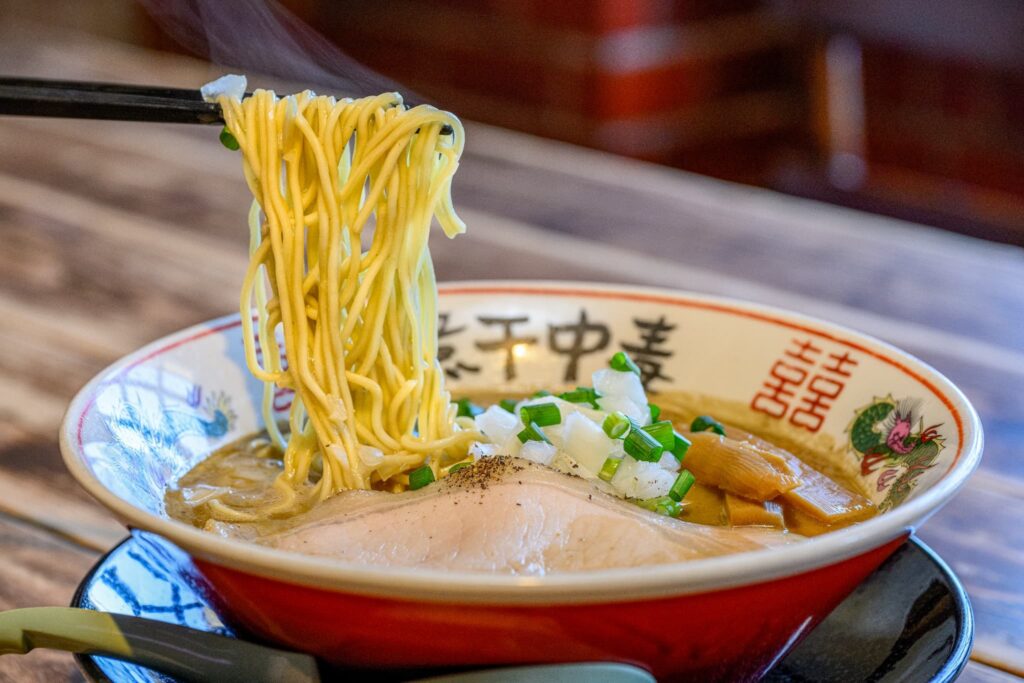
The broth is made using dried sardines, giving it a rich and distinctive flavour that is popular in the Tsugaru region.
After your meal, you can visit one of Hirosaki’s small cocktail bars. As one of Japan’s leading apple-producing areas, Hirosaki has developed different ways of using and processing its locally grown apples, including apple brandy, a distilled spirit made from fermented apples. During our trip, we tried a cocktail made with local apple brandy, a fitting way to end a day in Japan’s apple country.
For the night, we stayed at Tsugaru no Yado Hirosakiya, a Japanese style inn around a three-minute walk from Hirosaki Station. The inn has a private bath made with Aomori Hiba cypress and a wood burning stove that uses apple wood, adding another local touch to our stay.
Day 3: Travel to Hokkaido and Spend the Day in Hakodate
Cross the Tsugaru Strait by Shinkansen
Day 3 begins with a train ride from Aomori to Hokkaido.
From Hirosaki, take the JR Ou Line to Shin-Aomori Station before changing to the Hokkaido Shinkansen. Part of the trip passes through the 53.85 kilometre Seikan Tunnel beneath the Tsugaru Strait.
Construction of the Seikan Tunnel began in 1964 and took 24 years to complete, with the tunnel finally opening in 1988. At the time, it was the longest railway tunnel in the world. Its 23.3 kilometre undersea section connects Honshu and Hokkaido beneath the strait, and the Hokkaido Shinkansen began running through the tunnel in 2016.
Beyond the Seikan Tunnel, the Tsugaru Strait is also known for marking the Blakiston Line, a major biogeographical boundary between Honshu and Hokkaido. The deep waters and strong currents of the strait have historically made it difficult for land animals to cross, which is one reason the wildlife found in Hokkaido differs from that of Honshu. For example, brown bears, Hokkaido flying squirrels and Blakiston’s fish owls are found in Hokkaido but not in Honshu.
Once you reach Shin-Hakodate-Hokuto Station, change to the Hakodate Liner for the final ride to Hakodate Station.
Visit the Kanemori Red Brick Warehouses
After arriving in Hakodate, we headed to the bay area near Hakodate Station for lunch before visiting the Kanemori Red Brick Warehouses.
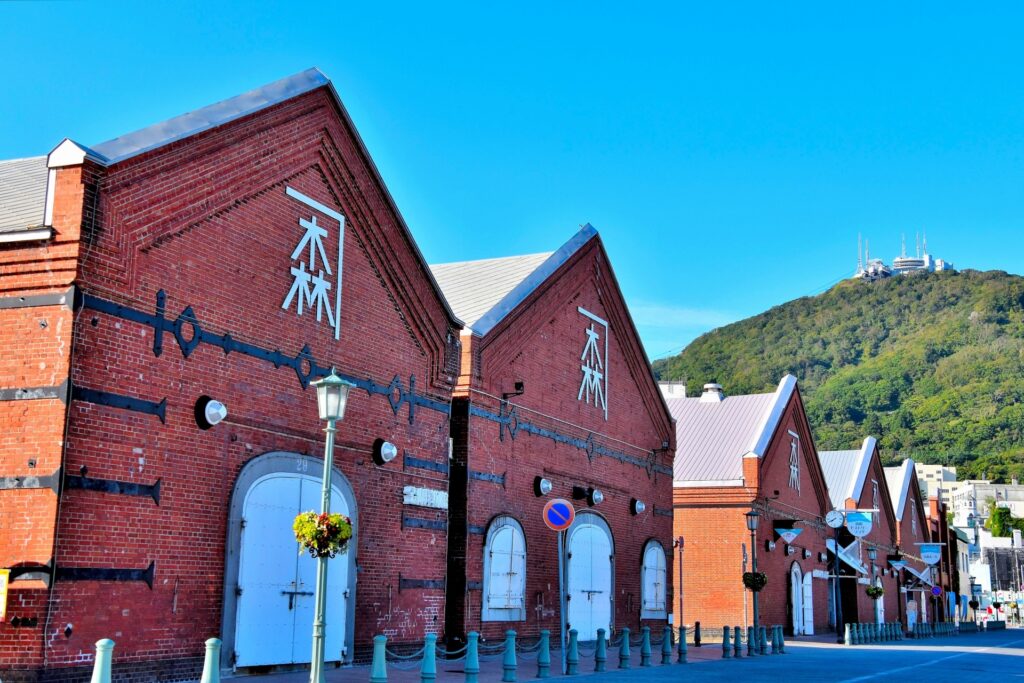
The history of the warehouses dates back to 1887, when founder Kumashiro Watanabe started a warehousing business as Hakodate’s shipping industry was growing. Six of the warehouses were later destroyed in the Great Fire of 1907 and rebuilt two years later using fire-resistant materials. As transportation methods changed and the warehousing industry declined, the buildings eventually took on a new purpose and were developed into a commercial complex in 1988.
Today, the historic red brick buildings are one of the best known sights in Hakodate’s bay area and are now home to shops, cafés and restaurants. The waterfront is also a good place to stop for something sweet, with crêpes, cakes, melon bread and other desserts available nearby.
Take in the Views from Motomachi and Hachimanzaka
From the waterfront, head uphill towards Motomachi, where Hakodate’s international history can still be seen in its streets and architecture.
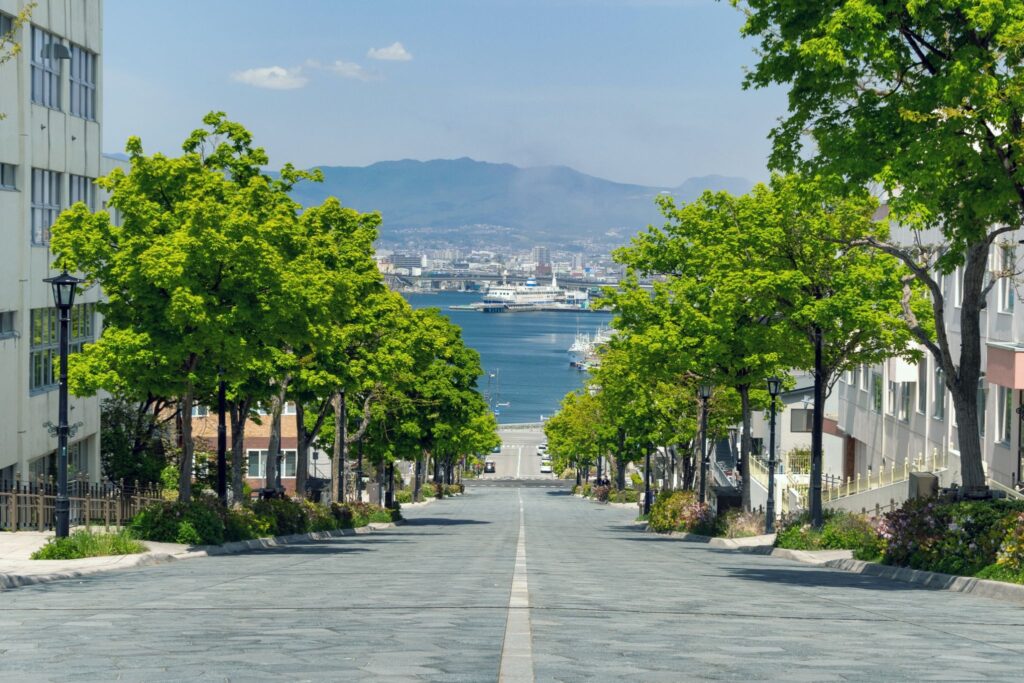
After Hakodate opened to international trade in 1859, foreign residents settled in this part of the city and built churches, consulates and Western-style buildings. Many of them remain today.
While in the area, make your way to Hachimanzaka, a steep, tree-lined slope that leads straight down towards Hakodate Bay. From the top, you can look along the road towards the harbour, making it one of Hakodate’s most recognisable views. The scenery also changes with the seasons. In winter, the trees along the slope are illuminated, creating a particularly beautiful view after dark.
See Hakodate at Night from Mount Hakodate
In the evening, take the ropeway up Mount Hakodate, which stands 334 metres above the city.
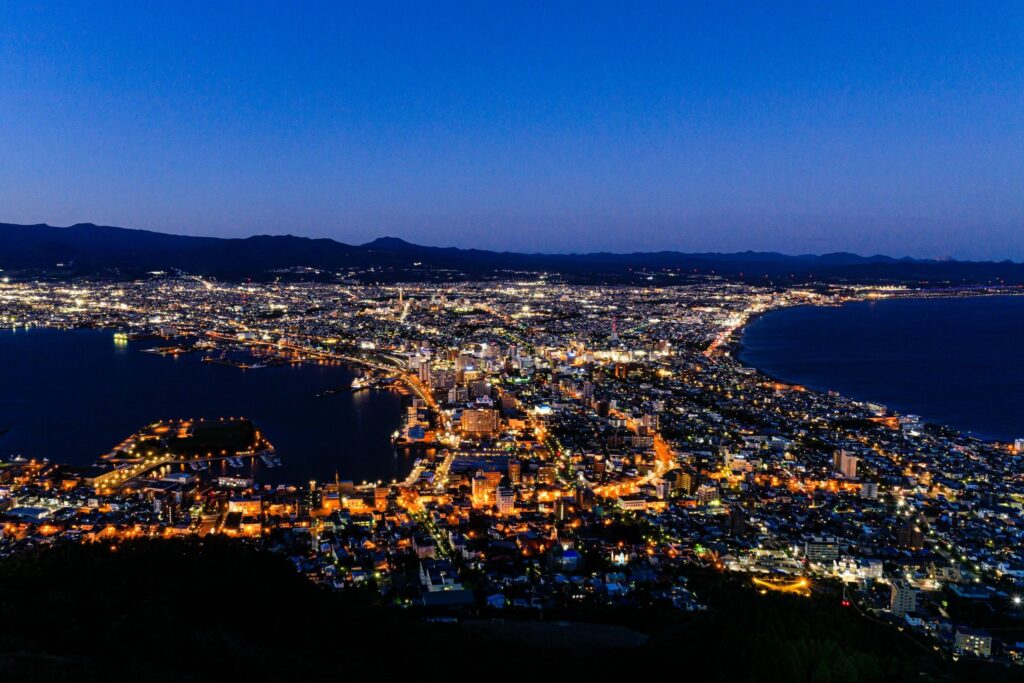
The ride takes around three minutes. From the observation deck, you can see Hakodate stretching across a narrow strip of land between two bodies of water, giving you a clear view of the city’s unique shape from above.
We went up shortly after 8pm, when the city was already lit up below us. The viewing deck was busy, although we were told it was considered a relatively quiet evening compared with peak travel periods. If you want to avoid the larger crowds, consider visiting outside the busiest travel periods.
Day 4: See More of Hakodate Before You Leave
Watch the Live Squid Auction
The final day starts early. We met our English-speaking guide at Hakodate’s wholesale market at around 5am. As this is a working wholesale market, general visitors cannot normally enter the auction area. Japan Navi Journey can arrange a special guided tour that gives you access to this part of the market.
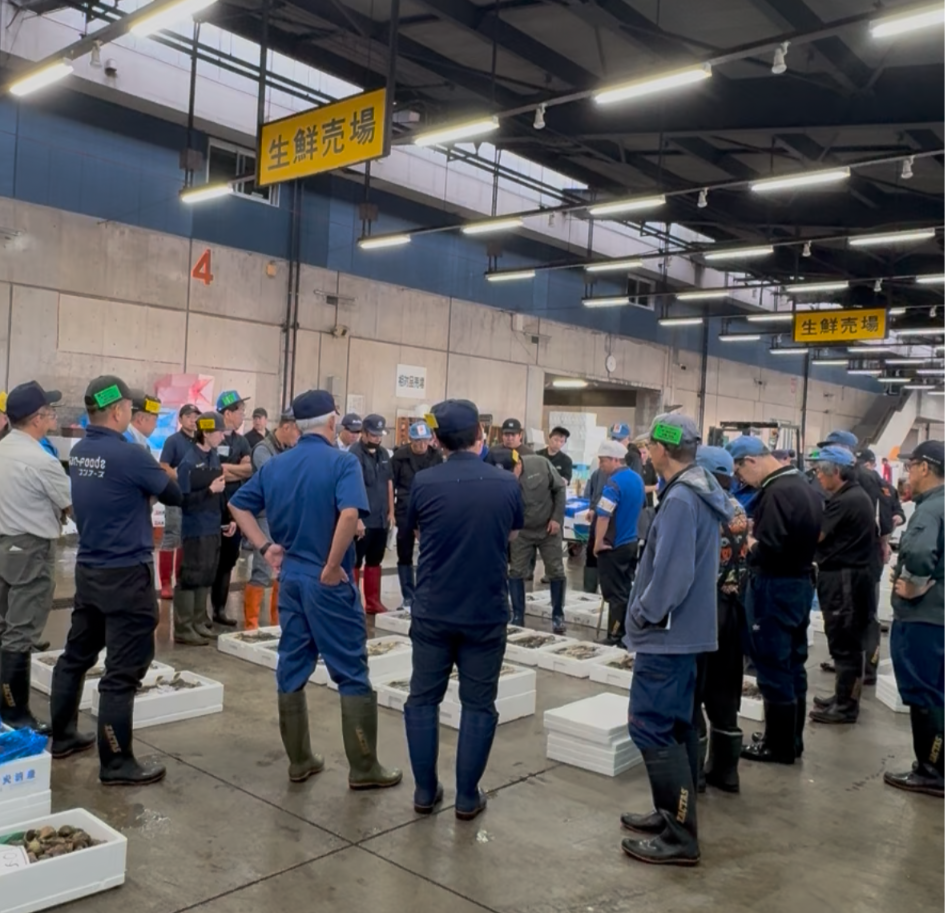
The squid auction began at around 5:30am as buyers gathered around the auction floor. Everything happens quickly, so having a guide made a big difference. Our guide explained what was happening, how the auction worked and the roles of the different people in the market.
The main fish auction followed. Afterwards, we walked around the market with our guide and had the opportunity to speak with some of the people working there.
Being able to see the auction up close while learning how the market operates made this one of the highlights of our time in Hakodate. Our guest from Singapore also described it as “the most interesting experience in Hakodate.” Compared with some larger fish markets, we were able to take our time, follow what was happening and learn more about the auction directly from our guide.
The tour lasts around two hours and is limited to small groups of two to six people. It operates through most of the year, depending on the market schedule, and reservations need to be made at least one week in advance.
Catch Your Own Squid for Breakfast
After the wholesale market, head to Hakodate Morning Market for breakfast.
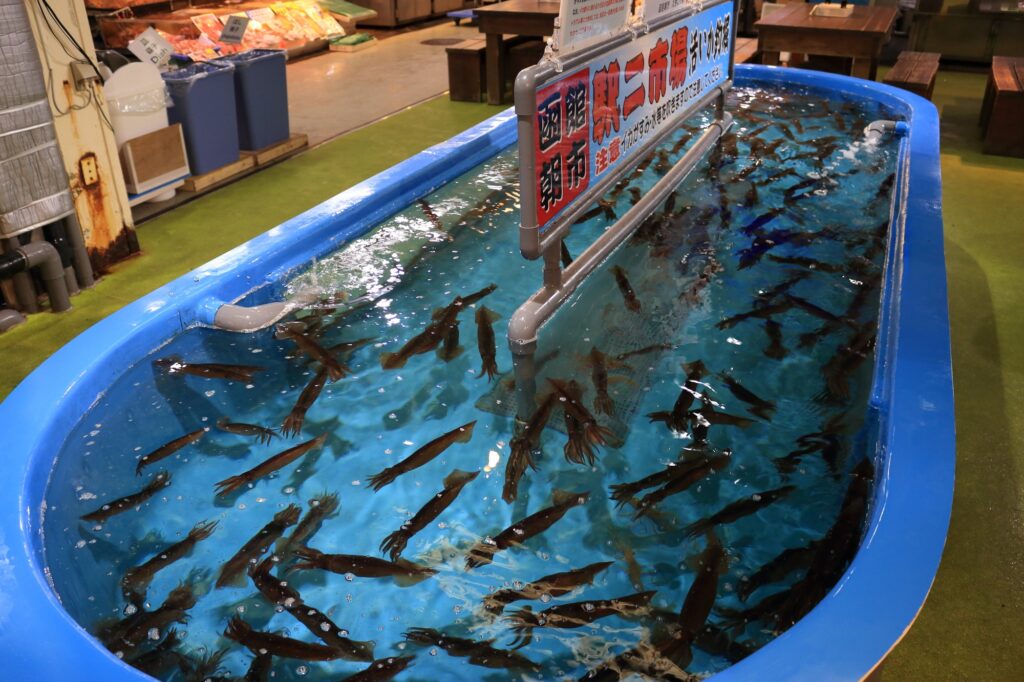
Here, you can catch a live squid from a tank using a small fishing rod before having it prepared fresh as sashimi. The type of squid available changes with the season, with Japanese flying squid typically found from summer to winter and spear squid from winter to spring.
Young children can also take part, making this a fun activity for families. Once your squid is prepared, you can enjoy it with rice or as part of a set meal for a fresh taste of one of Hakodate’s local specialties.
See Goryokaku from Above
Next, take the tram from Hakodate Station towards Goryokaku. Goryokaku is a star-shaped fort completed in 1864. At ground level, you can walk through the park and around its moat, but the fort’s full shape is much easier to see from Goryokaku Tower.
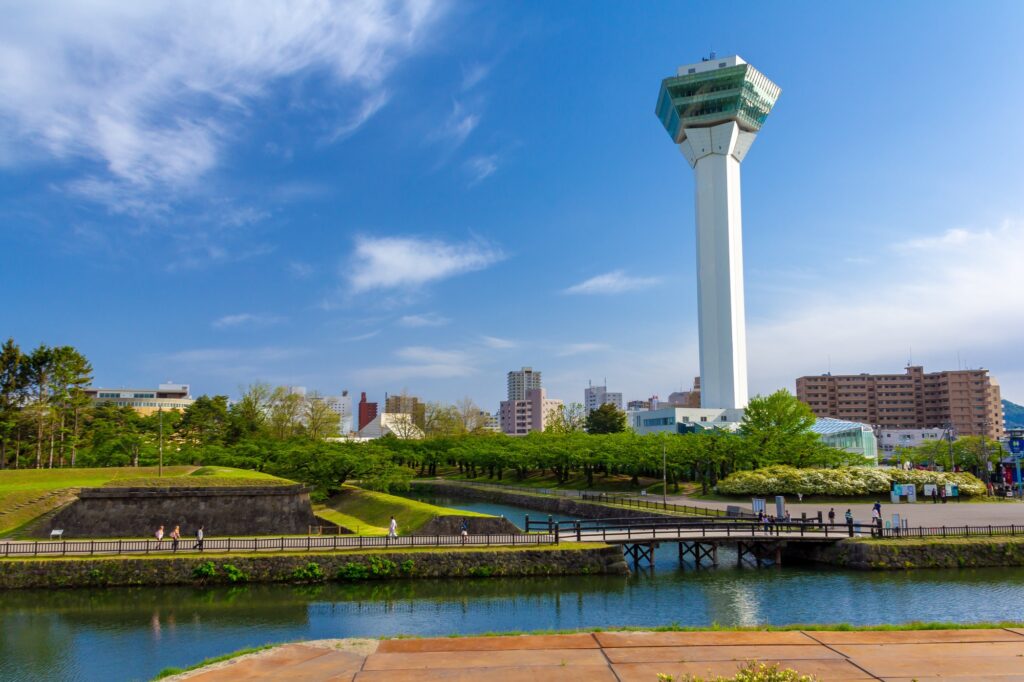
From the observation deck, around 90 metres above the ground, you can look down over the five-pointed fort and the surrounding city.
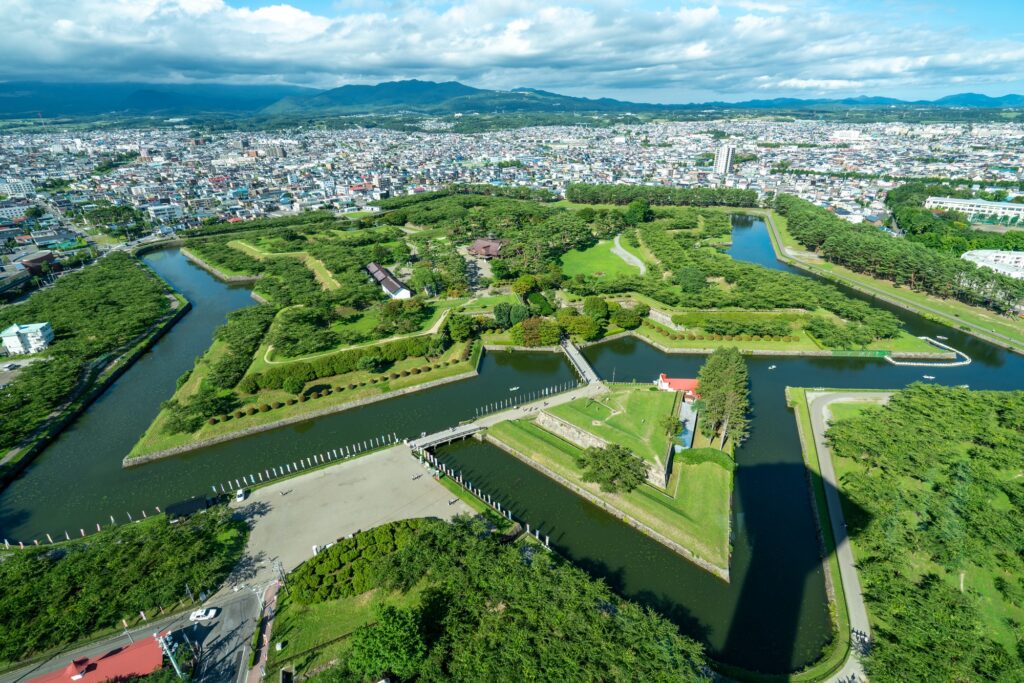
After visiting Goryokaku, continue your afternoon with lunch and try another of Hakodate’s local specialties.
Try Hakodate’s Shio Ramen
Hokkaido is known for three major regional ramen styles: Sapporo miso ramen, Asahikawa shoyu ramen and Hakodate shio ramen.
Compared with the richer miso based broth of Sapporo and the soy sauce based broth of Asahikawa, Hakodate ramen is known for its clear, salt-based soup and lighter flavour.
After trying Hirosaki’s rich niboshi ramen earlier in the trip, Hakodate’s shio ramen shows just how different the ramen styles can be between Aomori and Hokkaido.
Visit a Hakodate Dairy Farm
To conclude the trip, head to a dairy farm just outside Hakodate.
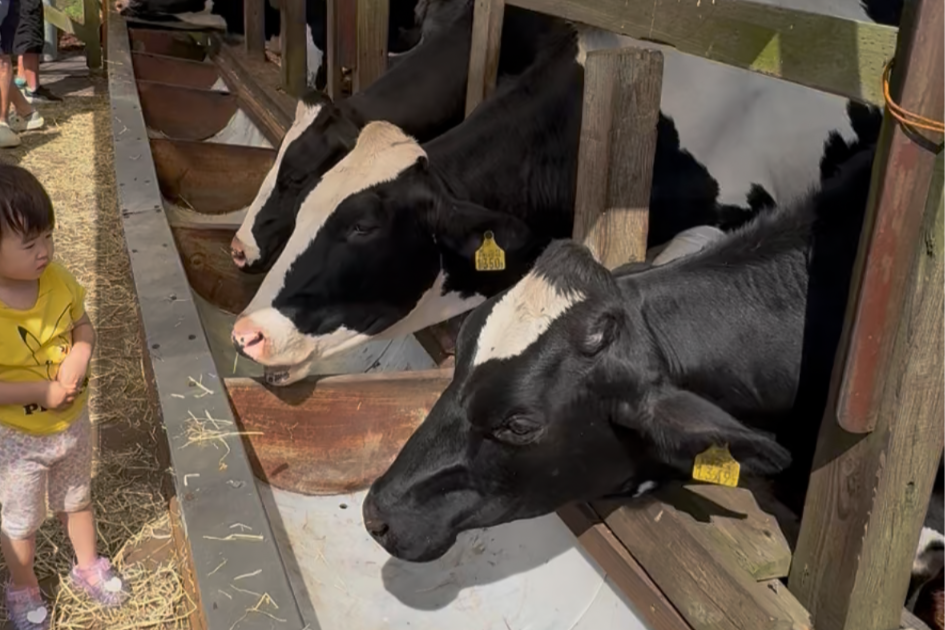
Here, you can see the cows up close and feed them grass before trying the farm’s soft serve, made with fresh milk. You can sit outside and enjoy your soft serve while looking out over the pasture.
From the farm, Hakodate Airport is around 10 minutes away by car, so you can head directly to the airport after your visit.
Getting to Aomori and Hokkaido from Singapore
There are several ways to plan a trip to Aomori and Hokkaido from Singapore, depending on where you would like to start and how you want to travel.
One option is to fly directly from Singapore to Tokyo, with flights available to both Haneda and Narita airports. From Tokyo, you can continue to Aomori by domestic flight or take the Tohoku Shinkansen to Shin-Aomori Station before changing to the JR Ou Line for Hirosaki.
Another option is to fly from Singapore to New Chitose Airport in Hokkaido and begin the trip from Hokkaido instead. From there, you can make your way south towards Hakodate before crossing the Tsugaru Strait into Aomori, following the itinerary in the opposite direction.
The four day itinerary in this article starts in Hirosaki and ends in Hakodate, but it does not have to be followed in the same order. At Japan Navi Journey, we can adjust the starting point, transport and itinerary based on your travel plans and preferences, whether you prefer to begin in Aomori or Hokkaido or include these destinations as part of a longer trip around Japan.
Plan Your Trip with Japan Navi Journey
This four day itinerary brings together two very different sides of northern Japan.
In Hirosaki, you can drive up Mount Iwaki, pick apples, try local food and experience traditional crafts. Then cross the Tsugaru Strait to Hakodate for its historic port area, night views, seafood markets and local food.
Several experiences in this itinerary also need to be arranged in advance, including reserved seats on the Resort Shirakami, the indigo-dyeing workshop, the yukata experience with a photographer, the moat boat ride and the squid auction tour. Travelling around Mount Iwaki is also much easier by car.
At Japan Navi Journey, we can help you plan a personalised itinerary based on your interests and travel style. We can also arrange a private car with a local driver, English-speaking guides and advance bookings for the experiences you would like to include.
Contact our team to start planning your Hirosaki and Hakodate trip.