
Why the Tateyama Kurobe Alpine Route Should Be on Your Japan Bucket List
-
Toyama
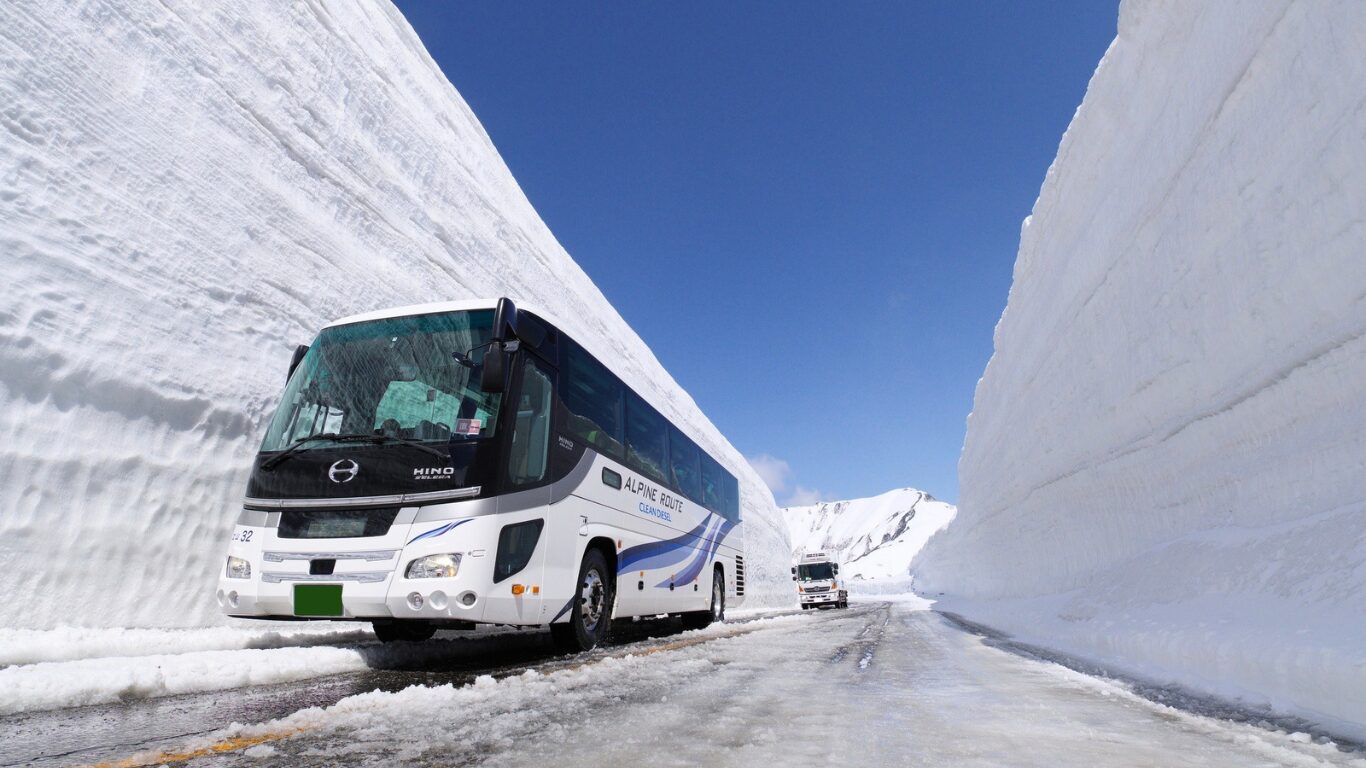
Did you know you can walk beside towering snow walls in Japan during spring?
The Tateyama Kurobe Alpine Route is one of the few places where you can experience this unique sight. Connecting Toyama and Nagano prefectures, this world-famous mountain sightseeing route traverses the Northern Alps, where peaks rise above 3,000 metres. Along the way, you’ll move through spectacular mountain scenery, pass scenic spots above the clouds, and experience the changing beauty of Japan’s four distinct seasons.
Stretching approximately 37.2 kilometres with an elevation difference of nearly 2,000 metres, the Tateyama Kurobe Alpine Route offers an easy and comfortable way to explore the breathtaking landscapes of Chubusangaku National Park. By transferring between cable cars, highland buses, ropeways and electric buses, visitors can enjoy different views of the surrounding mountain scenery along the way.
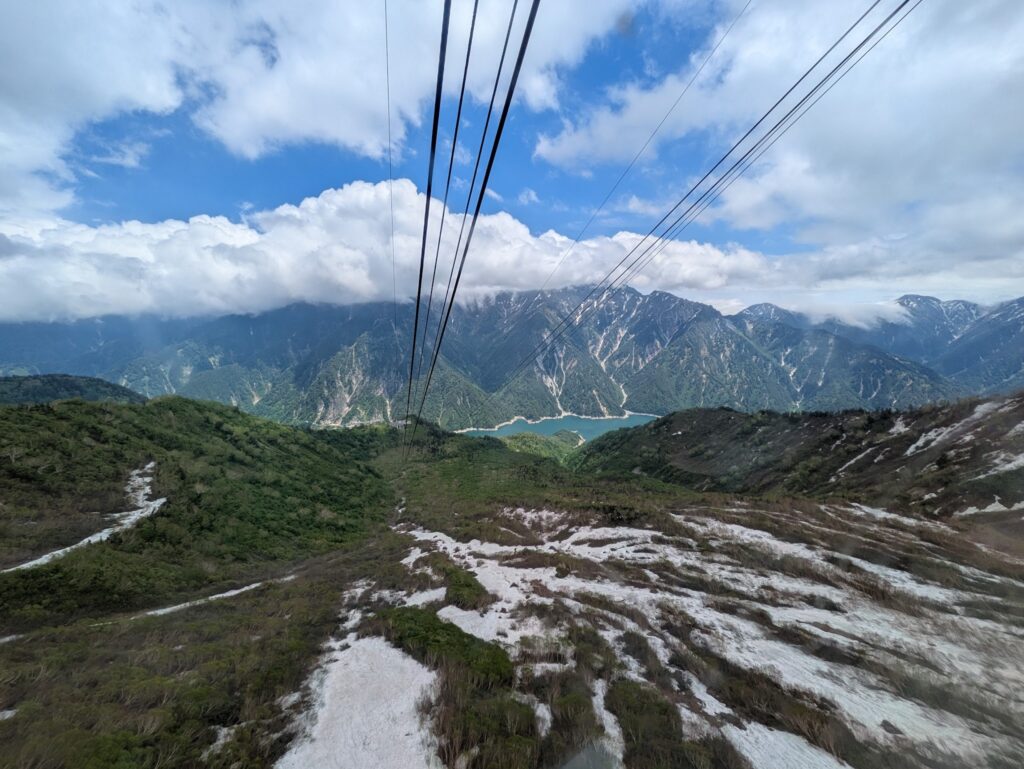
To protect the natural environment of Chubusangaku National Park, private vehicles are not permitted on the route. Electric buses are used on certain sections to reduce exhaust emissions, while the Tateyama Ropeway was built without supporting pillars between stations, allowing visitors to enjoy uninterrupted views while helping to preserve the surrounding environment. Together, these thoughtfully designed transport systems reflect the Alpine Route’s long-standing commitment to preserving the natural beauty of the Northern Alps while making it accessible to visitors.
One of the most memorable parts of visiting the Tateyama Kurobe Alpine Route is that the transportation is part of the experience. Rather than simply travelling from one attraction to the next, each mode of transport offers a different way to appreciate the surrounding mountains. As you gradually climb higher into the Northern Alps, forests and valleys give way to alpine landscapes and spectacular views above the clouds. It’s a unique way to experience Japan’s mountains, where travelling between destinations becomes part of the attraction itself.
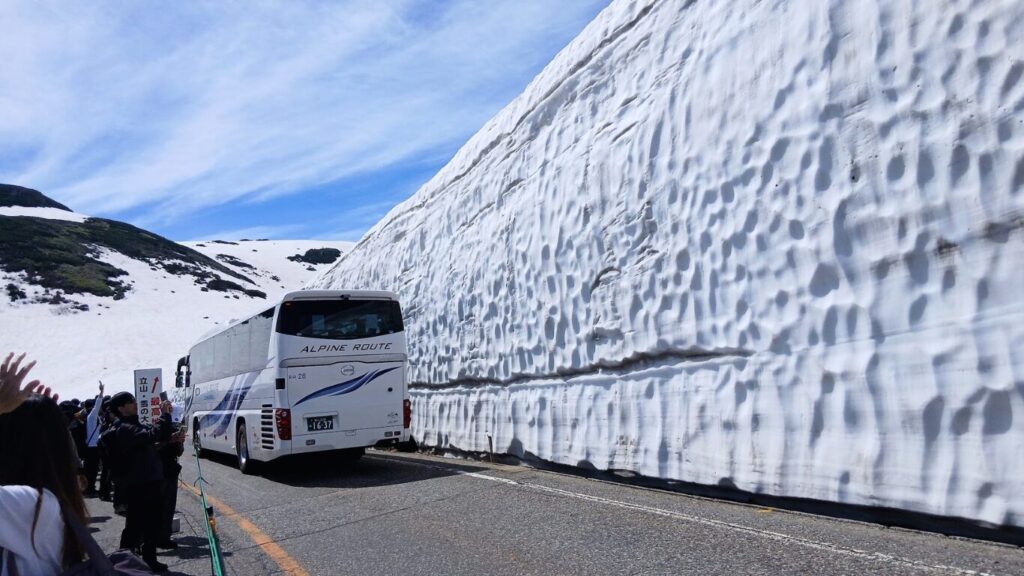
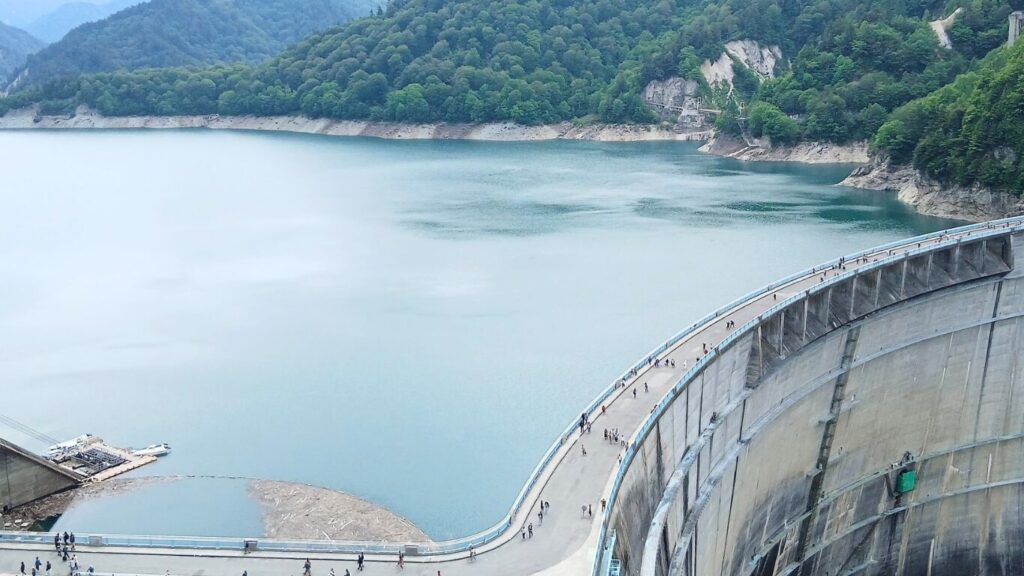
Among the route’s many highlights are Yuki no Otani (the Tateyama Snow Corridor or Snow Wall) and Kurobe Dam, also known as “Kuroyon.” These are two of the Alpine Route’s most popular attractions, and we’ll take a closer look at both later in this guide as we share our firsthand experience.
There are two ways to experience the Tateyama Kurobe Alpine Route, starting from either Toyama or Nagano. While both routes showcase the same spectacular mountain scenery, each offers a slightly different travel experience depending on your itinerary and where you plan to travel next. We’ll explore each route in more detail later in this guide.
So, what can you expect as you travel above the clouds? Read on as we explore what makes the Tateyama Kurobe Alpine Route one of Japan’s leading mountain sightseeing routes, while sharing our firsthand experience along the way.
The Story Behind the Tateyama Kurobe Alpine Route
More Than Just a Mountain Sightseeing Route
At first glance, the Tateyama Kurobe Alpine Route may appear to be a scenic route connecting Toyama and Nagano. However, after experiencing it firsthand, we realised it offers far more than simply travelling through the mountains. Behind every cable car, ropeway, bus and tunnel lies decades of engineering, careful planning, and a shared commitment to protecting one of Japan’s most spectacular alpine landscapes.
Unlike many mountain destinations around the world, the Japan Alpine Route allows visitors to cross the Northern Alps without needing any mountaineering experience. Although the route spans approximately 37.2 kilometres and climbs 1,975 metres in elevation, it remains accessible, allowing visitors of all ages to enjoy some of Japan’s most spectacular mountain scenery.
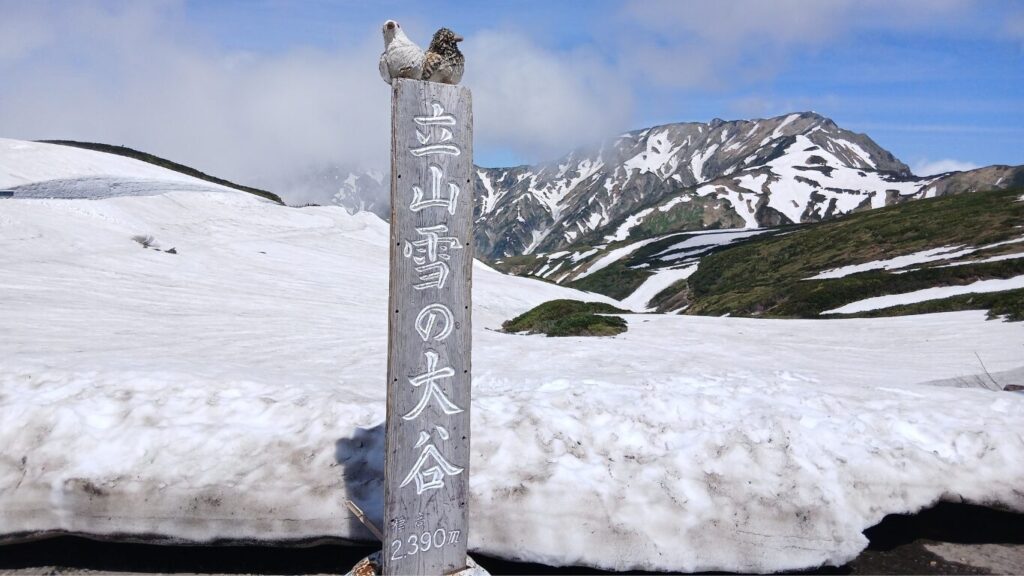
Rather than relying on a single operator, the route is made up of multiple transportation systems managed by different organisations, including Tateyama Kurobe Kanko and Kansai Electric Power. Despite this, transfers between each section are remarkably smooth. During our visit, everything felt well coordinated, allowing us to simply enjoy the changing scenery as we travelled from one stop to the next. The entire experience felt seamless, allowing us to focus on the spectacular scenery rather than the transfers between each mode of transport.
How the Alpine Route Moves You Through the Mountains
One of the most distinctive features of the Tateyama Kurobe Alpine Route is that private vehicles are not allowed. Since the entire route passes through Chubusangaku National Park, restricting private cars helps preserve the fragile alpine ecosystem while reducing traffic and pollution in the mountains. Instead, visitors rely on an integrated network of specially designed transport systems that have become part of the attraction themselves.
Each vehicle has been carefully selected for the terrain it travels through.
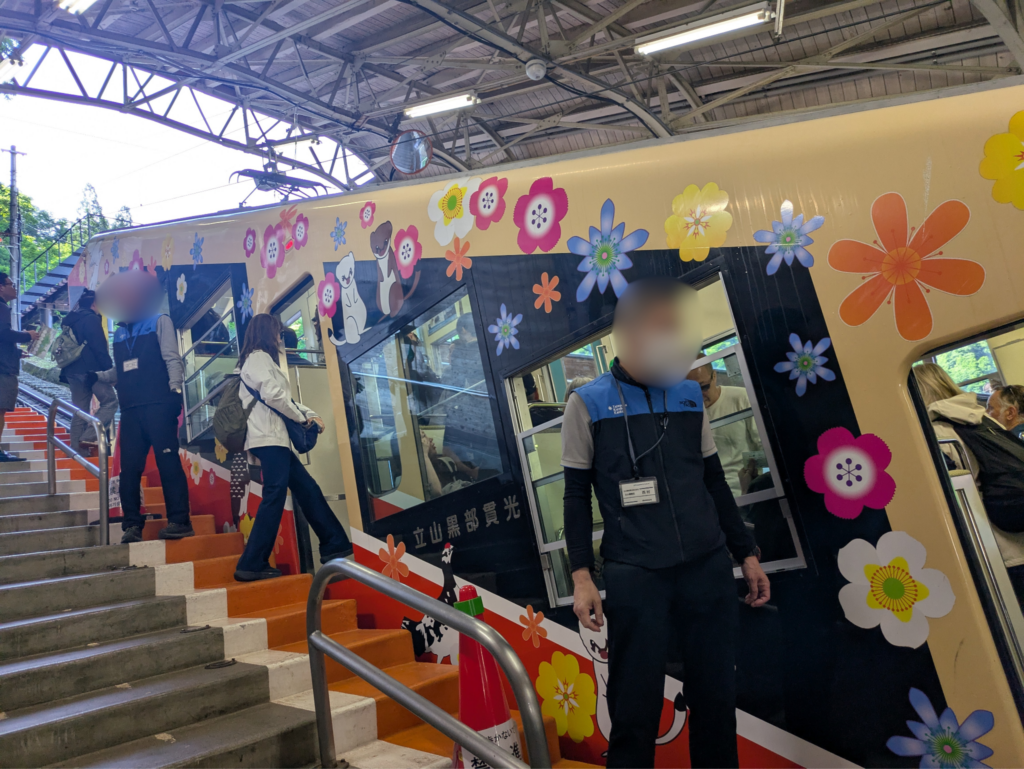
The Tateyama Cable Car climbs approximately 500 metres in elevation in just seven minutes. Originally built to support the construction of Kurobe Dam, it still features the rare cargo platform that once transported heavy equipment alongside passengers. As the cable car ascends the steep mountainside, the scenery outside the window gradually changes from lowland forests to higher mountain landscapes.
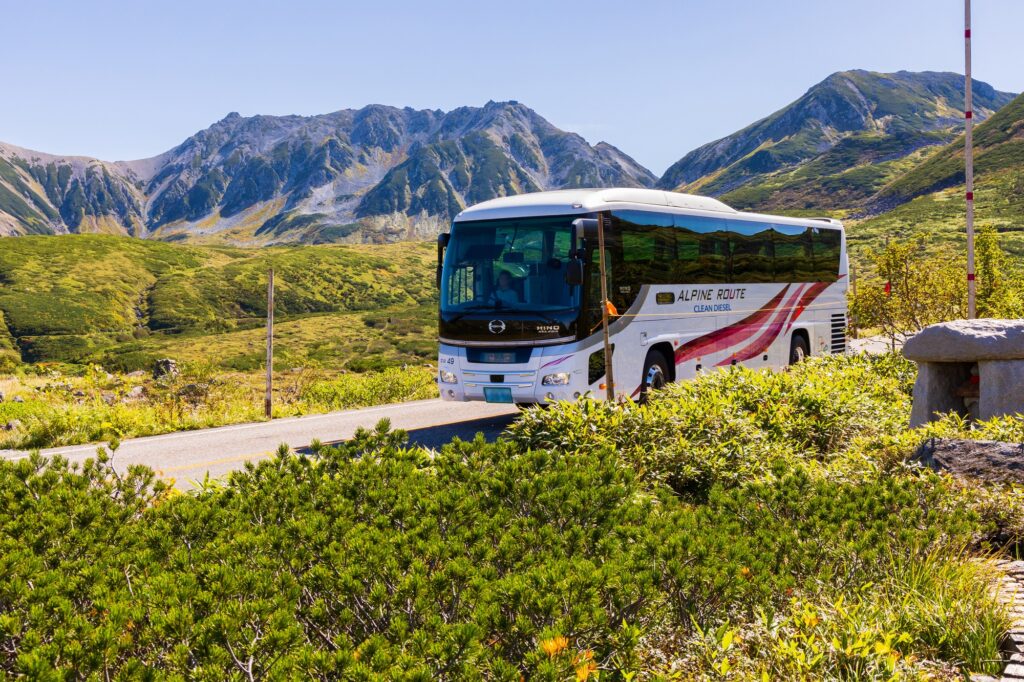
The Tateyama Highland Bus travels between Bijodaira and Murodo, climbing nearly 1,500 metres over a distance of 23 kilometres. Along the way, the scenery changes dramatically as dense forests transition into open alpine landscapes. Depending on where you are seated, you may even catch a glimpse of the magnificent Shomyo Falls before emerging above the tree line, where sweeping views extend across the Toyama Plain.
Introduced in 2025, the Tateyama Tunnel Electric Bus replaced the former trolleybuses that once operated beneath Mount Oyama, the highest peak in the Tateyama mountain range. Running entirely on electricity, the buses produce no exhaust emissions inside the tunnel, creating a more comfortable ride for passengers while supporting the Alpine Route’s ongoing environmental conservation efforts.
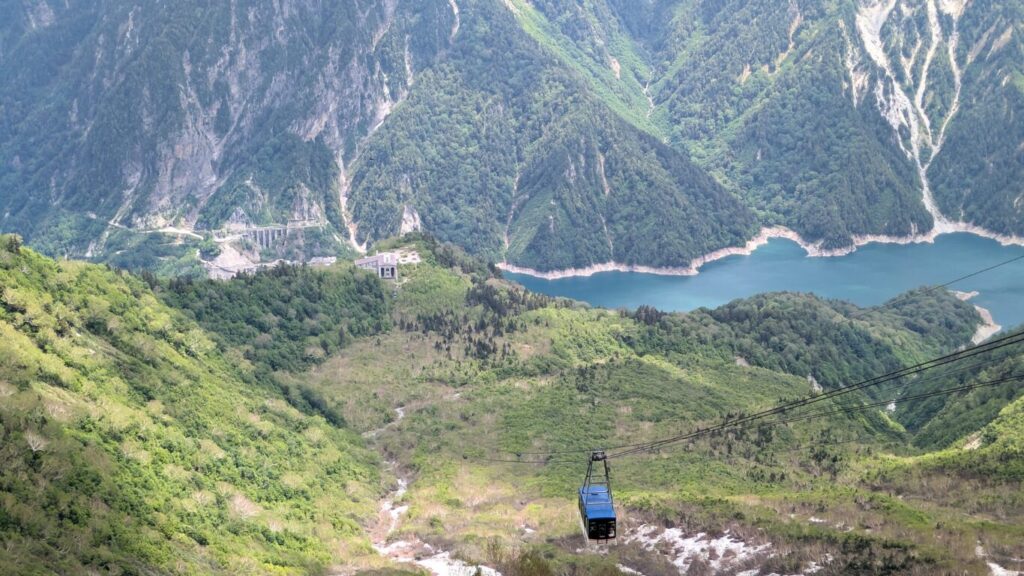
The Tateyama Ropeway is an excellent example of how engineering and conservation work together. Unlike conventional ropeways, it has no supporting towers between stations, making it the longest single-span ropeway in Japan. Without supporting towers along the route, passengers can enjoy sweeping 360-degree views across the Northern Alps while the surrounding landscape remains largely undisturbed.
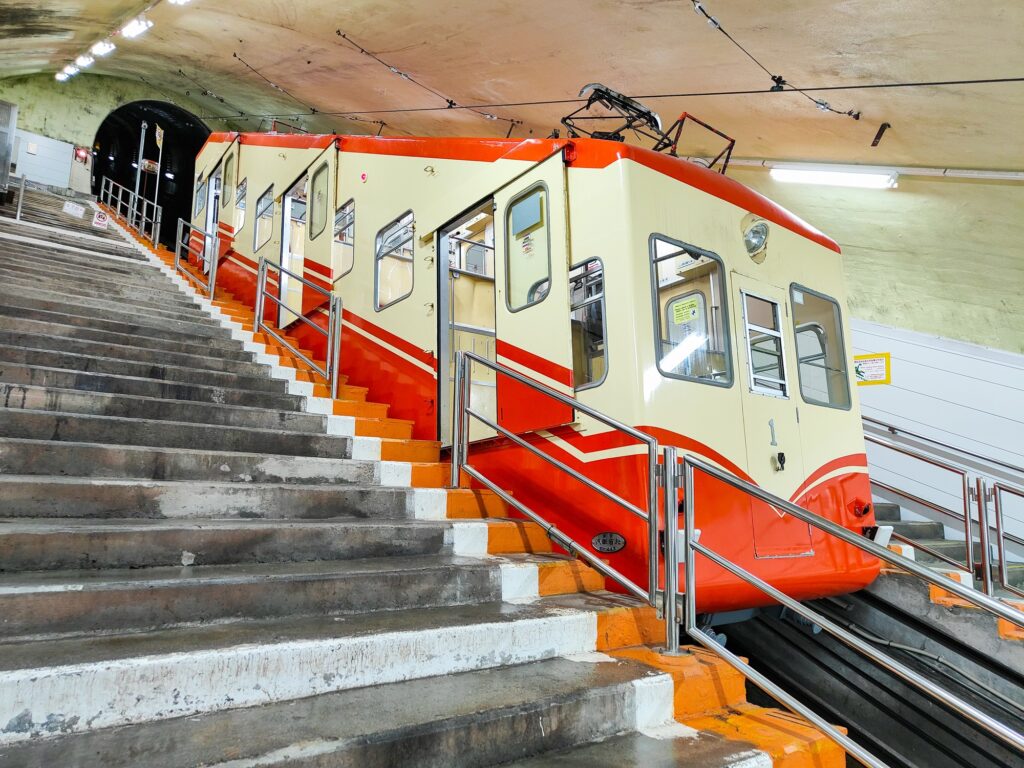
The Kurobe Cable Car is unlike any other in Japan. As the country’s only fully underground cable car, it runs entirely through a tunnel, helping to preserve the surrounding landscape while protecting the line from heavy snowfall.
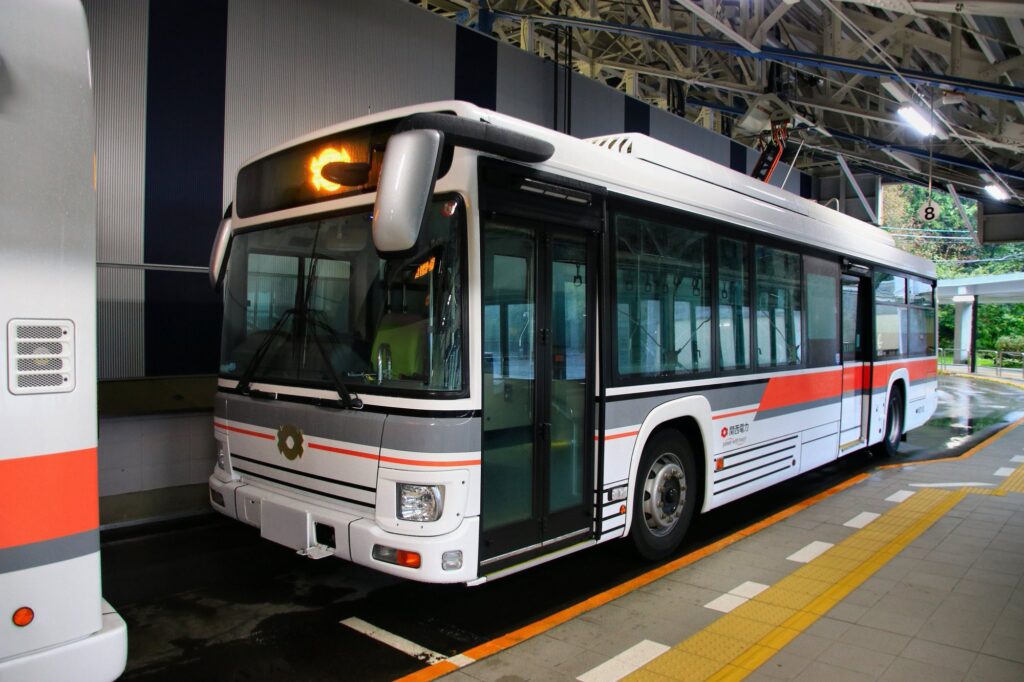
Rounding out the Alpine Route’s transport system is the Kanden Tunnel Electric Bus, which travels through a tunnel originally excavated during the construction of Kurobe Dam. Today, modern battery-powered buses follow the same historic route using fast-charging technology, demonstrating how the Alpine Route continues to combine its engineering heritage with sustainable innovation.
Although visitors naturally come for the scenery, we found ourselves equally fascinated by the engineering behind the experience. Every mode of transport has been carefully designed not only to move visitors through challenging mountain terrain, but also to preserve the remarkable landscape that makes the Tateyama Kurobe Alpine Route so special.
Preserving the Natural Beauty of the Northern Alps
Beyond the transportation system, environmental conservation can also be seen in many of the facilities along the route. Many of the facilities have been carefully planned to minimise their impact on the surrounding ecosystem. Food waste is processed at logistics centres at the foot of the mountain rather than on-site, wastewater is carefully treated before being released, and waste collected along the route is transported back down the mountain instead of being incinerated at high altitude. Even the buildings have been thoughtfully designed to blend naturally into the surrounding landscape wherever possible.
Efforts to restore alpine vegetation, remove invasive plant species, and organise nature conservation activities continue throughout the year, reflecting the long-term commitment to preserving the area’s natural beauty.
These initiatives may not be immediately obvious while travelling, but together they explain why the Alpine Route has remained one of Japan’s most remarkable mountain sightseeing destinations for decades. Visitors may also notice that rubbish bins are kept to a minimum throughout the route. This forms part of the Alpine Route’s “Take Your Trash Home” initiative, encouraging everyone to help preserve the pristine environment of Chubusangaku National Park.
These efforts have helped preserve the natural beauty of the Northern Alps while allowing visitors to experience one of Japan’s leading mountain sightseeing routes.
Now that you’ve learned what makes the Tateyama Kurobe Alpine Route so unique, it’s time to start planning your visit. The route can be accessed from either Toyama or Nagano, with each starting point offering a different way to explore the Northern Alps and continue your journey through Japan. In the next section, we will explore both options and show how we at Japan Navi Journey can help you create an itinerary tailored to your interests and travel schedule.
Choosing the Best Way to Experience the Tateyama Kurobe Alpine Route
One of the biggest decisions you’ll make when planning your visit is where to begin. Although both the Toyama and Nagano routes take you through the same spectacular mountain range, each offers a different way to explore the Tateyama Kurobe Alpine Route and continue your journey through Japan.
During our visit, we realised that there isn’t a “better” route. Instead, each starting point has its own strengths, making it easier to choose the option that best fits your itinerary.
Starting from Toyama: The Most Popular Way to Experience the Alpine Route
For many travellers, especially first-time visitors, starting from Toyama is the most popular way to experience the Tateyama Kurobe Alpine Route.
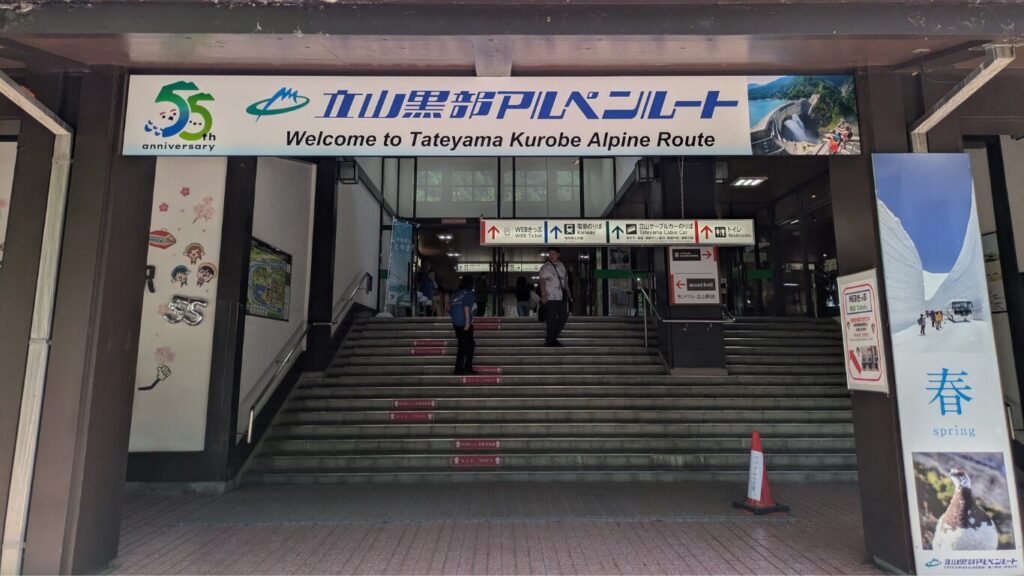
From Dentetsu Toyama Station, the Toyama Chihou Railway takes approximately one hour to reach Tateyama Station, where the Alpine Route begins. From there, you will travel across the Northern Alps using all six modes of transportation. From cable cars and highland buses to ropeways and electric buses, each mode of transport has been carefully selected for the terrain it travels through while offering a different view of the surrounding landscape.
One of the reasons many travellers choose this direction is that the scenery gradually unfolds as you climb higher into the mountains. The landscape gradually transforms from dense forests to wide-open alpine scenery, making it feel as though you are travelling through several different regions in a single day.
This route is commonly chosen by travellers following a Kansai → Toyama → Tateyama Kurobe Alpine Route → Matsumoto/Nagano → Tokyo itinerary, making it well suited for those planning to continue onwards to Nagano and Tokyo after crossing the Northern Alps.
Starting from Nagano: Ideal for Families and Travellers with Limited Time
For families, travellers with limited time, or those looking for a simpler start to their trip, beginning from Nagano is an excellent option.
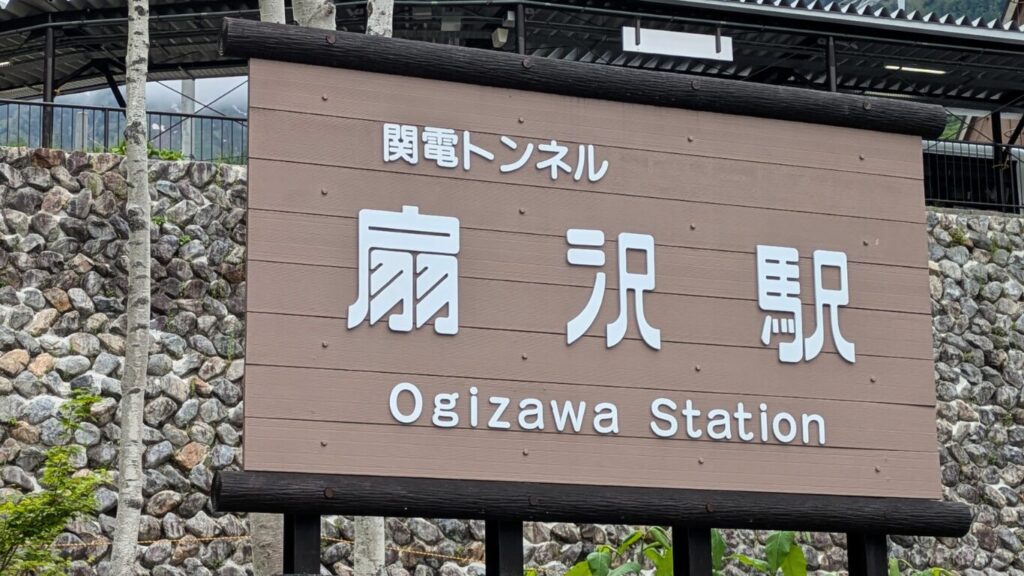
From JR Shinano-Omachi Station, a local bus takes approximately 40 minutes to Ogizawa Station, where visitors board the Kanden Tunnel Electric Bus. In around 16 minutes, you’ll arrive at Kurobe Dam, allowing you to begin sightseeing almost immediately. This makes the route particularly convenient for those travelling with young children or elderly family members.
With one of the Alpine Route’s most famous attractions reached at the very beginning of the trip, you can then continue further into the mountains or return to Nagano, depending on your itinerary.
This route is commonly chosen by travellers following a Tokyo → Nagano → Tateyama Kurobe Alpine Route → Toyama → Kanazawa/Kansai itinerary, making it an ideal option for those travelling west towards Toyama, Kanazawa and the Kansai region.
Which Route Should You Choose?
Ultimately, there is no single “best” way to experience the Tateyama Kurobe Alpine Route.
Whichever route you choose, selecting the right starting point and planning your trip in advance will help you make the most of your visit.
At Japan Navi Journey, we work closely with our local partners to create personalised itineraries based on your interests, schedule and preferred travel style. Whether you’re planning to experience the full Tateyama Kurobe Alpine Route or combine it with destinations such as Matsumoto or Kanazawa, we can recommend an itinerary that best suits your trip. Our team can also help arrange a guided tour, allowing you to gain deeper insights into the history and natural beauty of the Alpine Route while enjoying a smoother and more enriching travel experience. Contact us to start planning your personalised Japan itinerary.
Planning your route is only the beginning. Once we set off across the mountains ourselves, we realised that no amount of research could fully prepare us for what awaited along the way. From standing beside towering snow walls to spotting a rare rock ptarmigan and taking in panoramic views from the Tateyama Ropeway, every stop revealed a different side of the Northern Alps. Let us take you through the highlights of our own experience on the Tateyama Kurobe Alpine Route.
Experiencing the Highlights of the Tateyama Kurobe Alpine Route
One of the things that surprised us most about travelling along the Tateyama Kurobe Alpine Route was how quickly the scenery changed. Within a single day, we found ourselves walking between towering snow walls, standing beside a beautiful alpine lake, gliding above mountain valleys, and standing before one of Japan’s greatest engineering achievements. Every stop revealed something different, making the route feel like much more than a single sightseeing destination.
Stepping Into a World of Snow at Yuki no Otani
Our first stop was Yuki no Otani, also known as the Tateyama Snow Corridor. Located just a five-minute walk from Murodo Station, it is one of the Alpine Route’s most popular spring attractions.
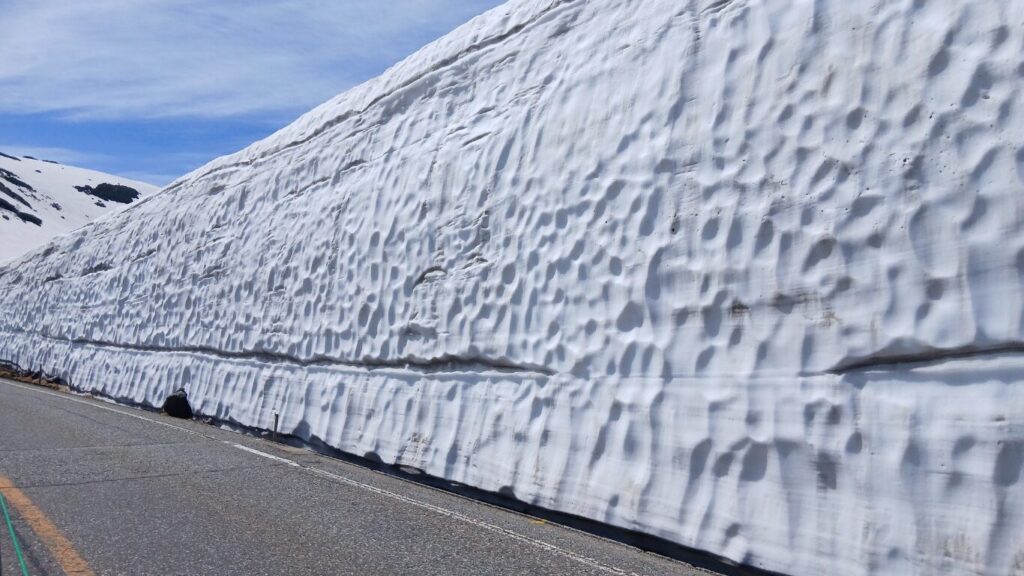
Although the famous snow walls can reach up to 20 metres when the route first opens in mid-April, they were still around nine metres high during our visit in early June. Even at this height, standing beside these towering walls of snow was an incredible experience. It is difficult to appreciate their scale until you are walking alongside them.
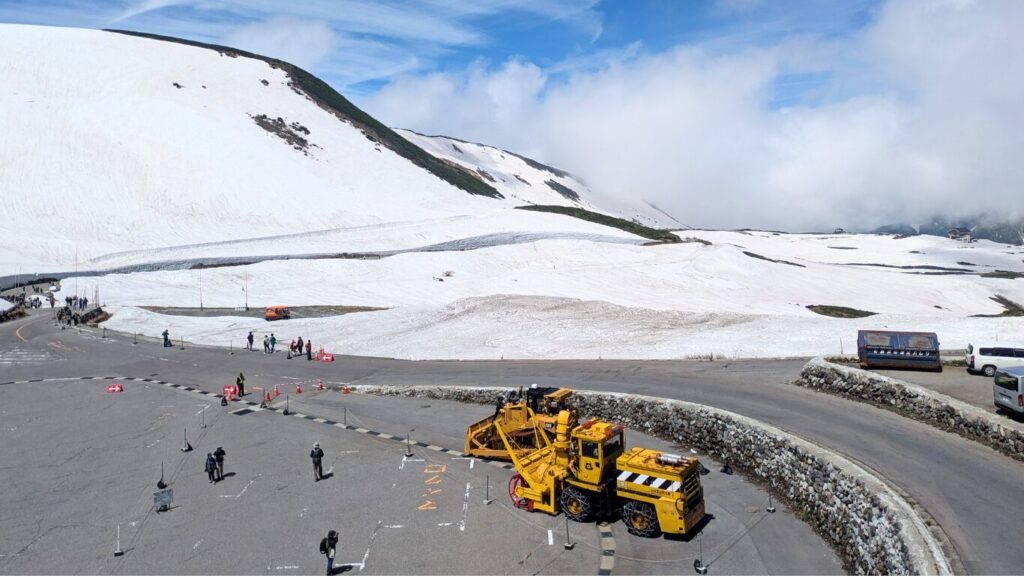
Located around Murodo at an altitude of approximately 2,450 metres, this area is one of the world’s heaviest snowfall regions. The snow corridor is formed when the roads buried beneath deep winter snow are cleared before the Tateyama Kurobe Alpine Route opens each spring. Every year, snow clearing begins months in advance, with specialised rotary snowploughs cutting through the accumulated snow to reopen the mountain roads. The result is one of Japan’s most spectacular seasonal landscapes.
Walking Through the Alpine Beauty of Mikurigaike Pond
After leaving the snow corridor, we continued to Mikurigaike Pond, one of the most scenic spots along the Alpine Route.
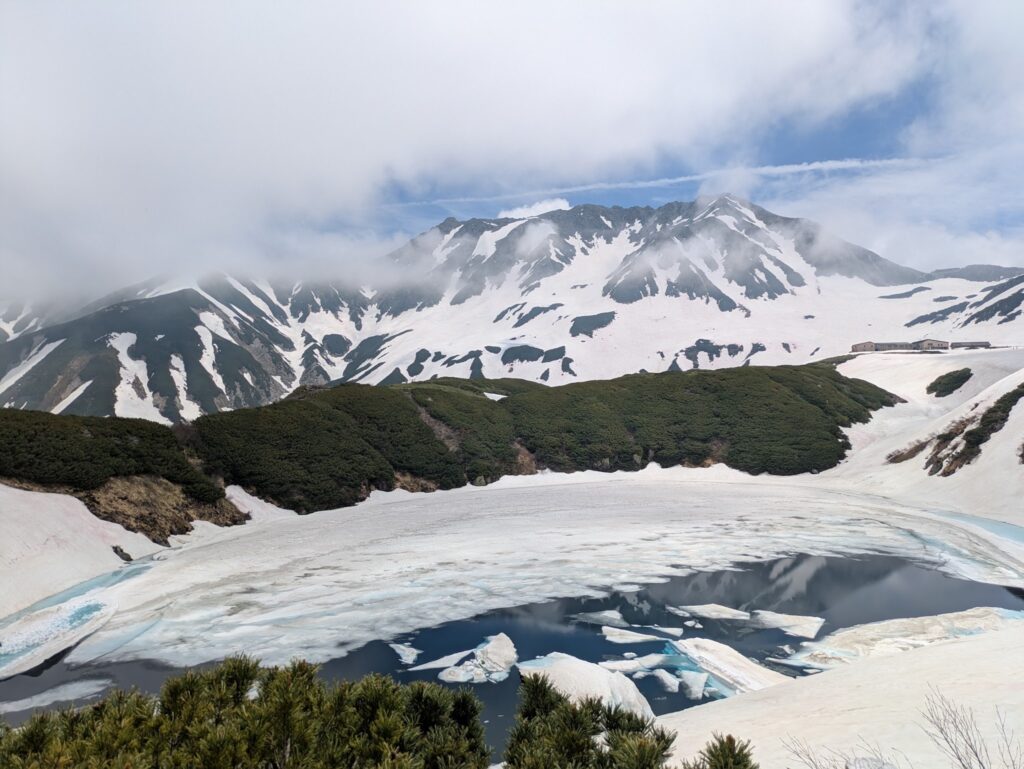
The pond is often described as being a 15-minute walk from Murodo Terminal, but the route is more challenging than it first appears. In early June, parts of the trail were still covered in snow, the path gradually climbed uphill, and there were stairs around the pond itself. If you are not accustomed to hiking, the walk may feel more physically demanding than expected, but the beautiful scenery waiting at the end makes it well worth it.
Located in Murododaira, Mikurigaike Pond is the largest volcanic lake in the area. It was formed around 10,000 years ago when water accumulated in the crater of a volcanic eruption at the foot of the mountain. Measuring approximately 630 metres in circumference and 15 metres at its deepest point, the lake is known for its crystal-clear blue waters. On calm days, the surrounding Tateyama mountain range is reflected beautifully on the surface, creating one of the Alpine Route’s most picturesque views.
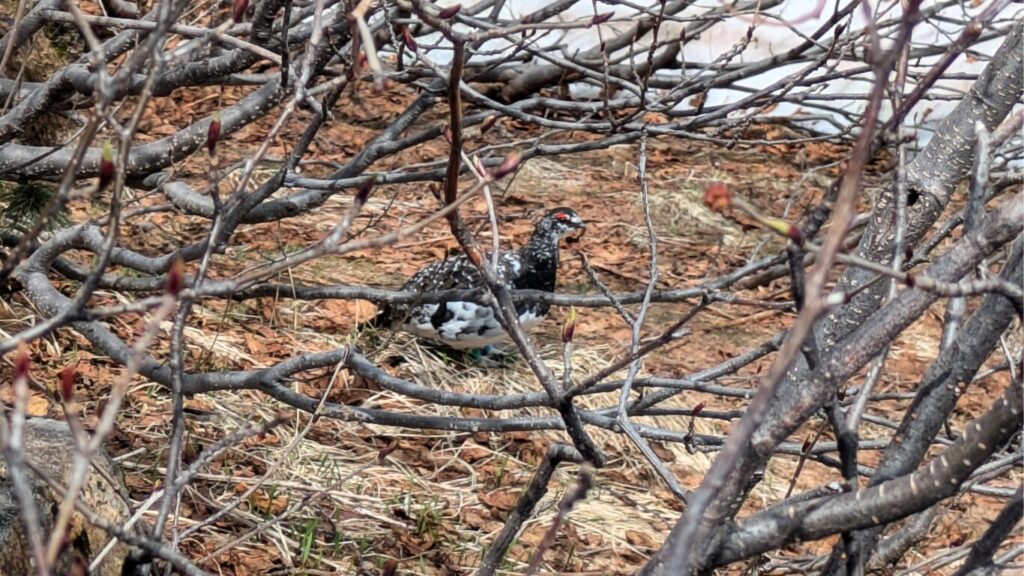
One of the highlights of our visit was spotting a rock ptarmigan, a rare alpine bird designated as a Special Natural Monument of Japan. For centuries, these birds have been regarded as “messengers of the gods” because Mount Tateyama has long been considered a sacred mountain.
Rock ptarmigans are fascinating to observe because their plumage changes with the seasons. During winter, they are almost entirely white to blend into the snowy landscape. In spring, males develop dark brown feathers while females become yellowish-brown, both retaining patches of white during the breeding season. By autumn, both sexes gradually turn dark brown before changing back to white as winter approaches.
Because rock ptarmigans live only in alpine environments above 2,200 to 2,400 metres and are carefully protected, spotting one in the wild is a rare and memorable experience.
Taking a Break at Murodo, Japan’s Highest Station
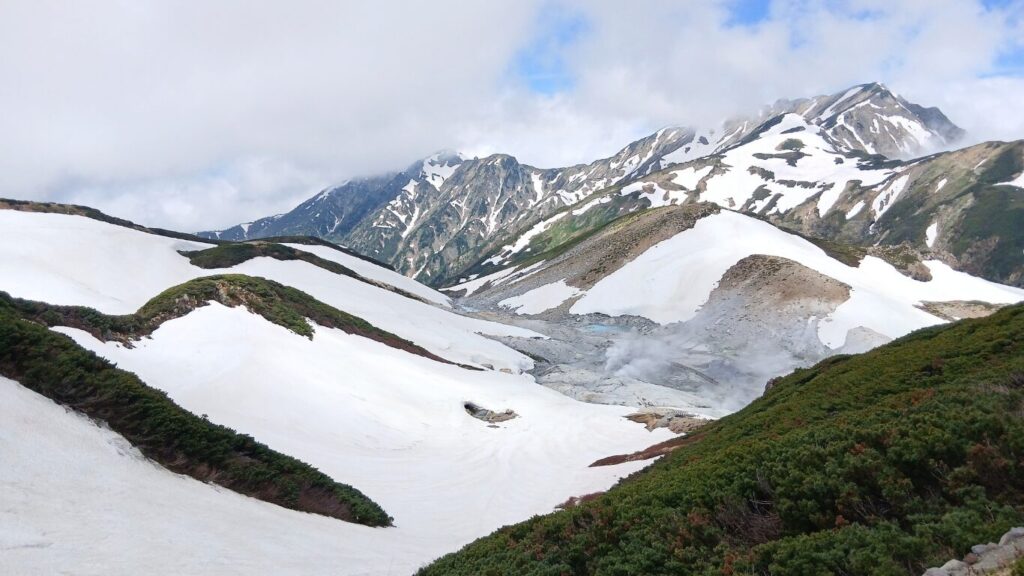
At approximately 2,450 metres above sea level, Murodo Station is the highest station in Japan and the central hub of the Tateyama Kurobe Alpine Route.

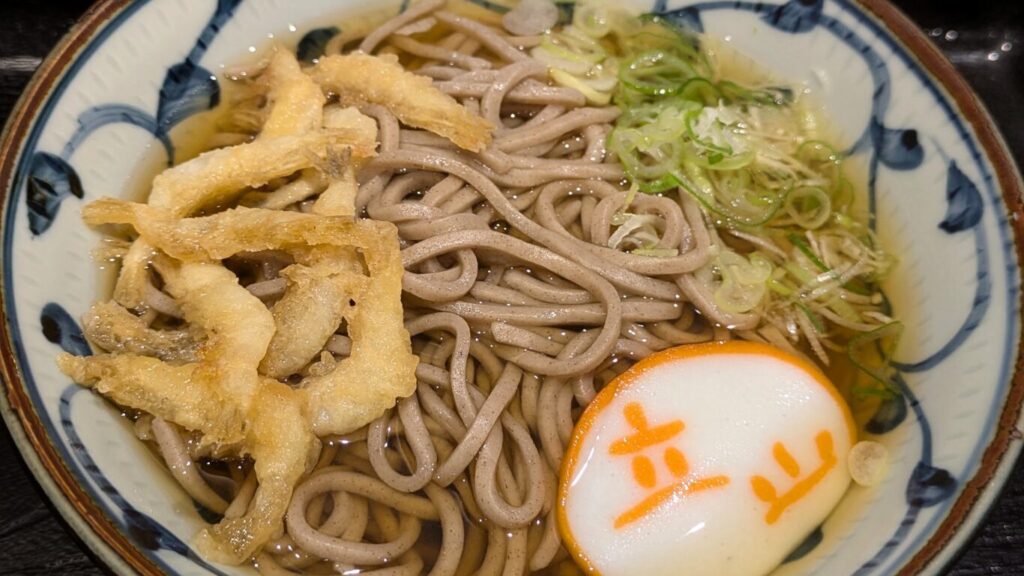
Many travellers stop here to rest, enjoy a meal, or browse for local souvenirs before exploring the next stop along the route. Murodo Terminal offers several dining options featuring local specialities, including Alpine Curry and Tateyama Soba. If you’re in the mood for something sweet, we highly recommend trying the refreshing ramune-flavoured Mikurigaike soft serve ice cream after exploring the snow-covered landscape. You can also stop by the café to enjoy coffee brewed with the famous Tamadono spring water while taking in the surrounding mountain views.
While exploring Murodo Terminal, it’s also worth taking some time to browse the souvenir shops. As you continue along the Alpine Route, you will notice that the restaurants, souvenir selections, and local specialities vary from one station to the next. Many regional delicacies and souvenirs are only available at specific stops, so if something catches your eye, it’s worth picking it up while you’re there, as you may not find it again later along the route.
Another unique stop inside the station is the Tateyama Sancho Post Office, the highest post office in Toyama Prefecture. Many visitors come here to send postcards stamped with commemorative postmarks featuring Mount Tateyama and the beloved rock ptarmigan, creating a memorable keepsake from their visit.
At night, Murodo is also known as one of Japan’s best stargazing spots. Thanks to its high altitude and exceptionally clear mountain air, the night sky offers spectacular views of the Milky Way, countless stars, and, if you’re lucky, even shooting stars.
Taking in the Views on the Tateyama Ropeway
Among the different modes of transport along the Alpine Route, the Tateyama Ropeway was one of our favourites. Often described as a moving observation deck, the ropeway connects Daikanbo and Kurobedaira in just seven minutes while offering uninterrupted panoramic views of the surrounding mountains.
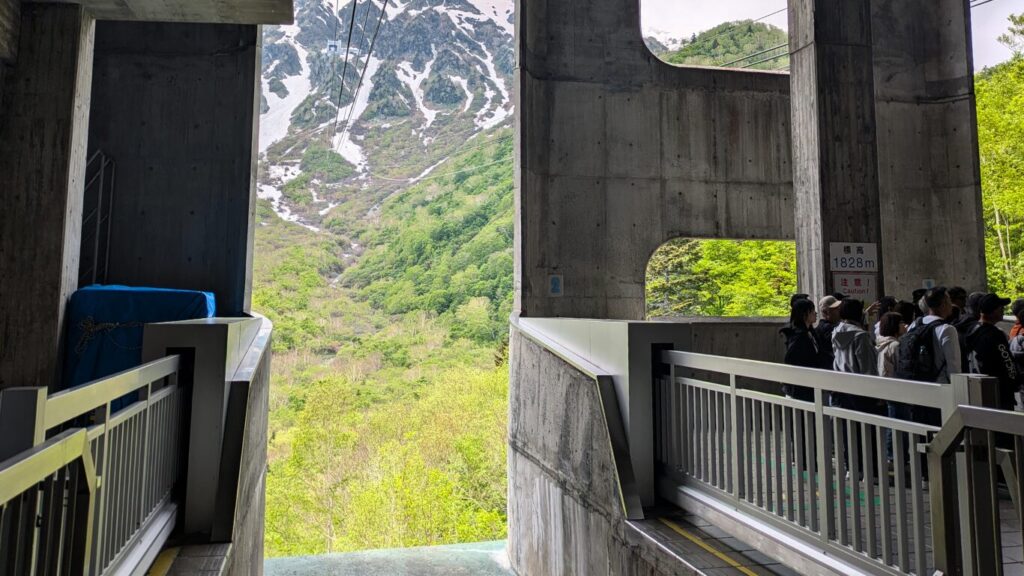
Its pillar-free design makes the ride particularly special. Unlike conventional ropeways, there are no supporting towers between the stations. This design helps preserve the surrounding landscape while reducing avalanche risks during winter, allowing passengers to enjoy unobstructed views throughout the ride.
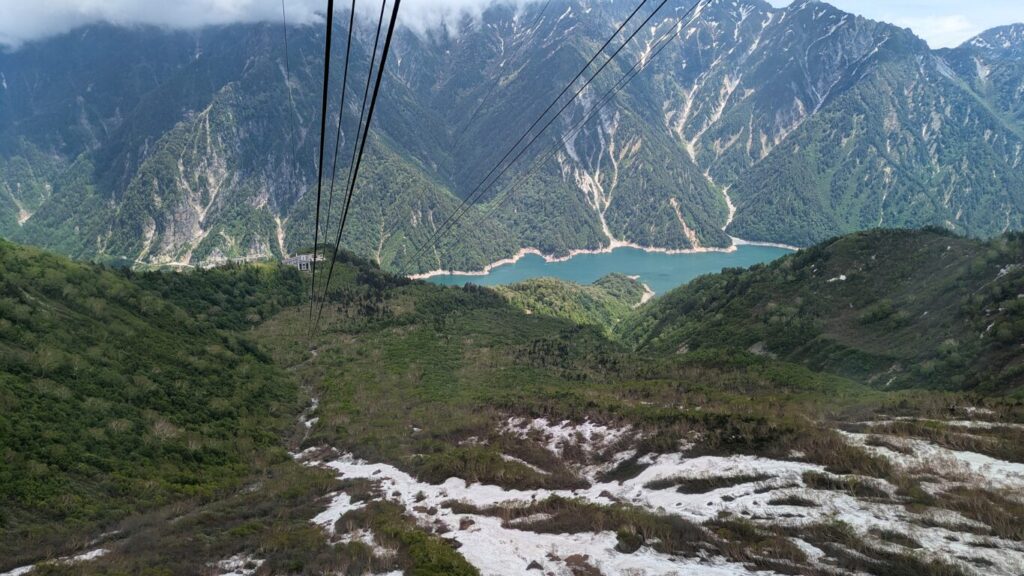
Looking out through the large windows as we crossed the valley, we found ourselves quietly taking in the spectacular scenery stretching in every direction.
Standing Before the Immense Scale of Kurobe Dam
No visit to the Tateyama Kurobe Alpine Route feels complete without seeing Kurobe Dam, commonly known as “Kuroyon”.
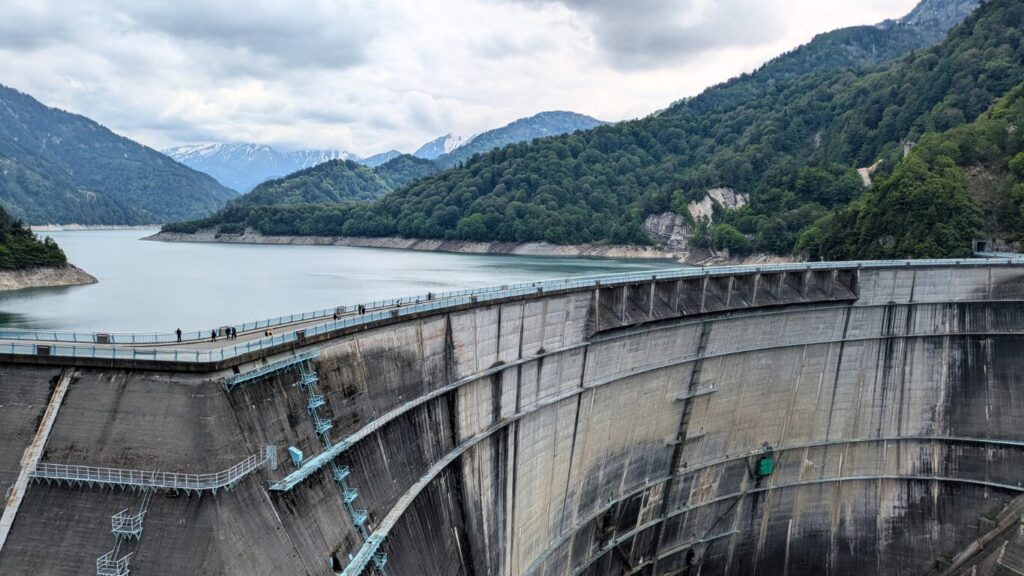
After arriving at Kurobe Dam Station, we climbed the 220 underground steps leading to the Dam Observation Deck. Although the climb is a little challenging, the panoramic view from the top makes it completely worthwhile.
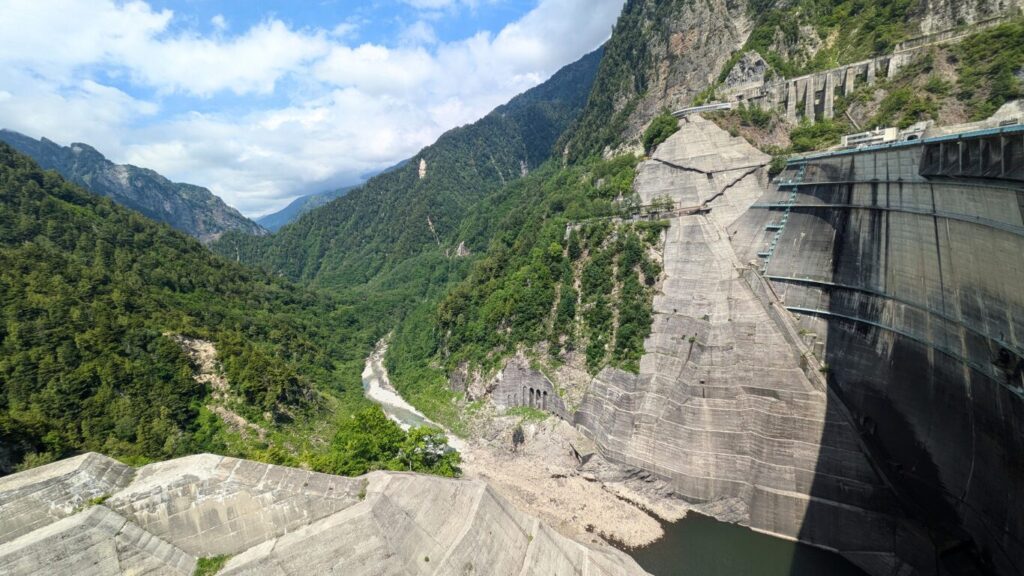
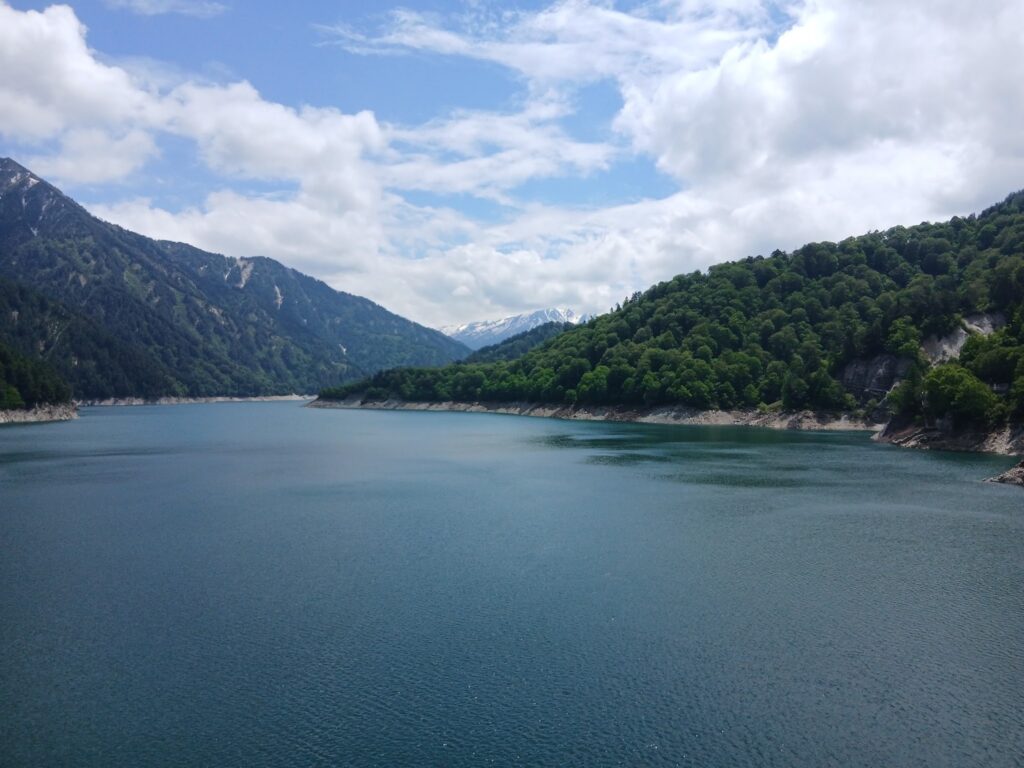
Standing above Japan’s tallest dam, we were immediately struck by its immense scale and the vivid emerald-green reservoir surrounded by the Northern Alps. It is easy to understand why Kurobe Dam is considered one of the highlights of the Alpine Route.
We visited before the famous tourist water discharge began, but from late June to mid-October, visitors can witness more than 10 tonnes of water rushing out every second. On sunny days, the mist often creates beautiful rainbows, making it one of the dam’s most spectacular seasonal sights.
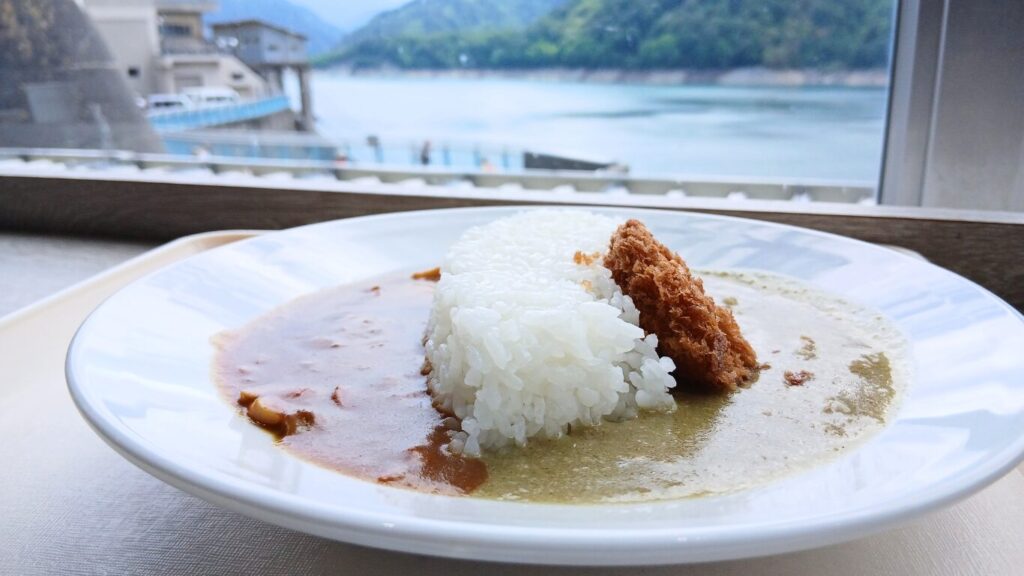
Before leaving Kurobe Dam, be sure to try the famous Kurobe Dam Curry, one of the area’s signature local dishes. Inspired by the shape of the dam, it is served in several variations, including a slightly spicy spinach curry and the nostalgic Arch Dam Curry, which recreates a recipe enjoyed by construction workers during the 1960s. It’s a unique local speciality that’s well worth trying during your visit.
Preparing for Your Trip Along the Tateyama Kurobe Alpine Route
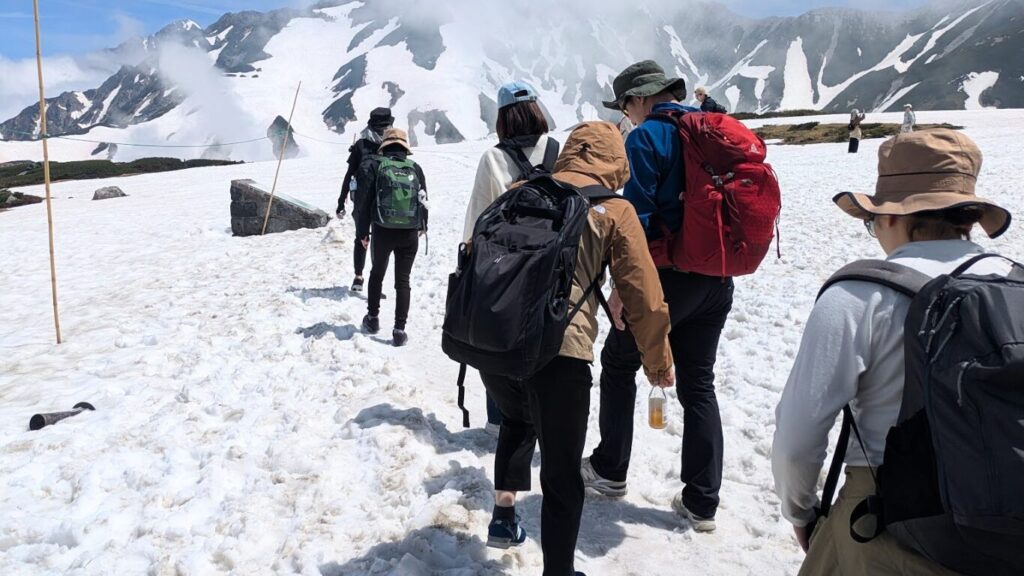
A little preparation can make your visit to the Alpine Route much more comfortable and enjoyable, especially as temperatures vary greatly depending on the season and altitude.
During spring (April to June), Murodo can still feel like mid-winter, with temperatures around 0°C. Warm layers, gloves, hats, and shoes with good grip are highly recommended, while sunglasses are essential because sunlight reflecting off the snow can be surprisingly strong.
In summer (July to August), temperatures at higher elevations are much cooler than in the cities, generally ranging between 10°C and 20°C. Breathable clothing, comfortable walking shoes, a light jacket, and sun protection such as hats, sunscreen, and sunglasses are recommended. Bringing lightweight rainwear is also a good idea, as mountain weather can change quickly.
Autumn (September to October) brings crisp mountain air and beautiful autumn colours, but temperatures can feel almost wintry. Windproof outerwear, warm inner layers, gloves, and sturdy footwear will help keep you comfortable throughout the day.
Regardless of when you visit, comfortable walking shoes are essential, as many attractions involve walking, climbing stairs, and occasionally crossing snow-covered paths.
Mobile phone reception is limited outside the station areas, so downloading maps, tickets, and important information beforehand is recommended. As most travellers complete the Alpine Route in a single day, popular stops such as Murodo and Kurobe Dam can become crowded during peak hours. Packing light or using luggage forwarding services can also make moving between the different modes of transport much easier.
Looking back, what made the Tateyama Kurobe Alpine Route so memorable was how many different experiences it offered in just one day. From walking beside towering snow walls and spotting a rare rock ptarmigan to taking in panoramic mountain views and standing before the impressive Kurobe Dam, every stop revealed a different side of the Northern Alps.
After completing the Tateyama Kurobe Alpine Route, there is still plenty more to explore. Whether you continue towards Nagano or return to Toyama, both regions offer many more attractions and experiences to add to your itinerary.
Continue Your Japan Trip Beyond the Tateyama Kurobe Alpine Route
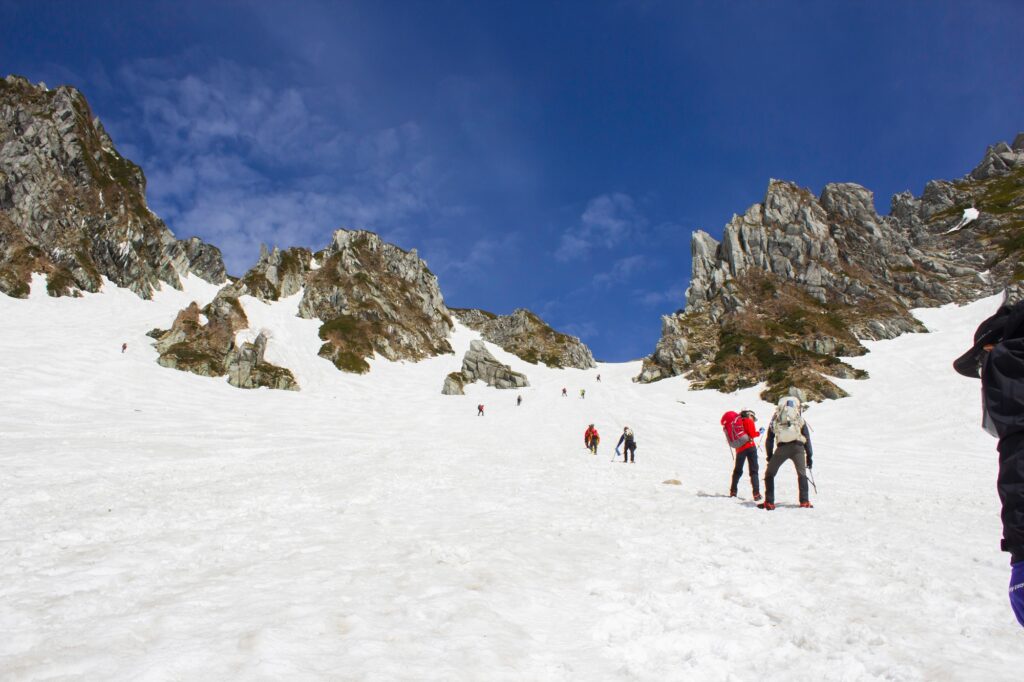
If you started from Toyama, your trip does not have to end at the Alpine Route. Continue into Nagano to discover even more of the region, from the historic streets of Matsumoto and the rich food culture and spectacular scenery of the Ina Valley to the renowned wineries of eastern Nagano, where you can enjoy some of Japan’s finest wines.
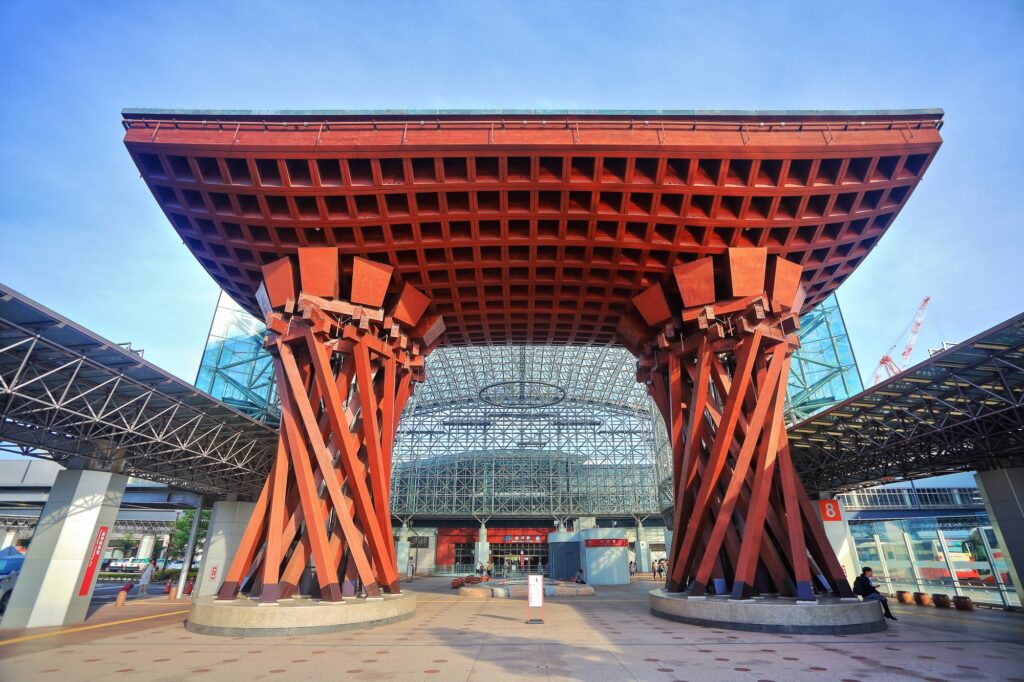
If you started from Nagano, the Alpine Route can lead you onwards to Toyama, Kanazawa, and the Kansai region. Whether you’re exploring Kanazawa’s beautifully preserved historical districts or continuing on to Osaka and Kyoto, each destination offers a completely different side of Japan while complementing your time in the Northern Alps.
At Japan Navi Journey, we can tailor your itinerary to match your interests, travel style, and schedule. Whether you want to experience the Tateyama Kurobe Alpine Route on its own or combine it with destinations across Japan, our team can create a personalised tour designed around your travel goals. Contact us to begin your journey, and let us take care of the details while you enjoy the very best of Japan.
The next time you are in the Land of the Rising Sun, don’t just stick to the usual favourites. Take some time to explore places outside the main cities. You might just discover something you did not expect. Check out our travel guides for more inspiration.